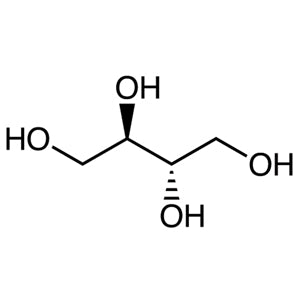
Meso-Erythritol is a versatile organic compound widely used in chemical and biochemical experiments. As a tetrasaccharide, it possesses a stable molecular structure and interesting physical properties, making it a valuable tool in glycoscience research. Its chemical neutrality and non-toxic nature allow it to be safely handled in laboratory settings, supporting a wide range of experimental applications. This compound is particularly useful in studies involving molecular reactivity and chemical reactions, such as reduction or oxidation processes. Its role in the laboratory extends beyond basic research, contributing to the development of pharmaceutical and cosmetic products through its potential as a building block for complex molecule synthesis.
Meso-Erythritol is preferred due to its solubility in organic solvents like ethyl acetate and acetone, which facilitates its use in various analytical and synthetic procedures. Its high melting point ensures stability during chemical synthesis or reaction processes, even under elevated temperatures. The compound’s non-toxic and chemically inert nature also makes it suitable for use in educational and research environments where safety is a priority. These properties collectively make it a reliable and safe material for both routine and advanced laboratory work.
In Indonesian laboratories, meso-erythritol is commonly used in chemical and biochemical research, particularly in higher education institutions and research organizations. It plays a key role in experiments related to glycoscience, molecular reactivity, and the development of new compounds. Its availability and reliability make it a standard material in many laboratory setups across Indonesia, supporting both academic and industrial research activities.
TCI brochures (PDF)
- Obesity_Diabete Research Reagents 2026-07-10 · p. 1
- Reagents for Glyco Chemistry & Biology 5th Edition · p. 14
- Reagents for Biological Research 2025-03-11 · p. 52
- Meso-Erythritol is ideal for glycoscience research due to its stable molecular structure and chemical neutrality, allowing it to be used in the study of carbohydrate-based molecules and their interactions.
- It is well-suited for biochemical experiments involving reduction or oxidation reactions because of its chemical inertness and solubility in organic solvents, which facilitates reaction conditions.
- Meso-Erythritol is frequently used in pharmaceutical development as a building block for the synthesis of complex organic compounds, supporting drug discovery and formulation processes.
- Its non-toxic nature makes it a preferred choice for educational laboratories, where it is used to teach fundamental chemical and biochemical principles in a safe environment.
- The compound is also applied in cosmetic research for the development of new formulations, as its physical properties allow it to be incorporated into various product types.
| Brand | TCI |
|---|---|
| CAS number | 149-32-6 |
| Molecular formula | — |
| Purity | — |
| Category | Chemistry > Chemical Biology > Glycoscience |
| Pack sizes | Available in various quantities as per supplier specifications |
| Physical form | White crystalline powder |
| Storage | Store in a cool, dry place away from direct sunlight |
Meso-Erythritol should be stored in a cool, dry environment to maintain its stability and prevent degradation. It is recommended to keep it in airtight containers to avoid moisture absorption, which could affect its physical properties. Due to its non-toxic nature, handling is generally safe, but standard laboratory precautions such as the use of gloves and proper ventilation should be followed. The compound is stable under normal laboratory conditions and does not require special refrigeration. It is suitable for storage in glass or plastic containers that are resistant to organic solvents. Regular monitoring of storage conditions ensures the material remains in optimal condition for use in research and educational settings.
—
Product Categories
Produk Terkait
-
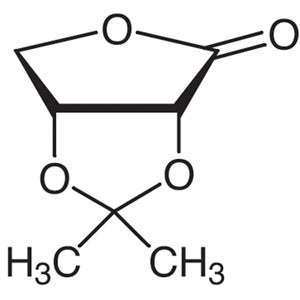
2,3-O-Isopropylidene-D-erythronolactone TCI I0454
Regular price Rp 10.599.750,00Regular price -
N-Acetyl-D-glucosamine TCI A0092
Regular price From Rp 928.200,00Regular price -
Xylitol TCI X0018
Regular price From Rp 452.550,00Regular price -
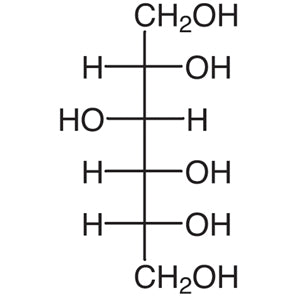
D-Sorbitol TCI S0065
Regular price From Rp 452.550,00Regular price -
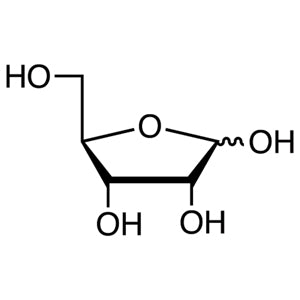
D-(-)-Ribose TCI R0025
Regular price From Rp 769.650,00Regular price -
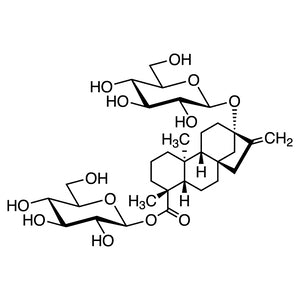
Rubusoside TCI R0210
Regular price Rp 6.148.800,00Regular price -
Icariin TCI I0862
Regular price From Rp 1.829.100,00Regular price -
Arbutin TCI A0522
Regular price From Rp 452.550,00Regular price