TCI E0053 3-Ethoxypropionic Acid is an aliphatic carboxylic acid that carries an ethoxy ether group at the beta position relative to the carboxyl group. The combination of these two functional groups makes it a practical starting material in organic synthesis, because one end of the molecule is ready to react while the ether backbone contributes good solubility in polar solvents. In the laboratory, this compound is used to prepare esters and amides, to supply ether-chain side groups to target molecules, and as an intermediate in synthetic work on active ingredients and coating materials.
The characteristic that underlies its selection is the balance between reactivity and solubility. Its carboxyl group behaves like an ordinary carboxylic acid, so it can be esterified, amidated, or activated through the acid chloride using well-established procedures. Meanwhile, the neighbouring ether group improves solubility in water and polar solvents without adding a new reactive group that would need to be protected. For researchers, this means reactions can be run in friendlier solvent systems without additional protection steps. The synthetic quality from TCI helps ensure that water content and other acidic impurities remain controlled.
In Indonesian laboratories, this building block is typically used in university and institutional synthetic chemistry groups, in formulation development work, and in research and development units that prepare ester and amide derivatives on a small scale. It is drawn from stock for bench-scale reactions, for derivatisation steps in methodology studies, and as a reference intermediate when synthetic routes are being reproduced or optimised, where a consistent grade from a known manufacturer keeps results comparable between batches of work.
Related TCI products
- Ester synthesis — the free carboxyl group undergoes standard esterification with alcohols, giving access to ethoxy-substituted esters through familiar and well-documented bench procedures.
- Amide formation — the acid can be coupled with amines directly or after activation, allowing researchers to build amide linkages that carry an ether-bearing side chain.
- Introduction of ether side chains — the compound serves as a convenient source of a short polyether fragment when target molecules require improved polar-solvent compatibility.
- Intermediate in active-ingredient synthesis — its dual functionality suits multi-step routes where a reactive acid terminus and a non-interfering ether backbone are both needed.
- Coating material research — the material is used as an intermediate in synthetic work on coating chemistries, where ester and amide derivatives of the acid are prepared and evaluated.
| Brand | TCI (Tokyo Chemical Industry) |
|---|---|
| CAS number | 4324-38-3 |
| Molecular formula | — |
| Purity | — |
| Category | Chemistry > Building Blocks > Non-Heterocyclic Building Blocks |
| Pack sizes | available in standard TCI laboratory research pack sizes; please confirm the size required when ordering |
| Physical form | — |
| Storage | keep the container tightly closed in a cool, dry, well-ventilated place away from incompatible materials |
- Catalogue number: E0053
Store the container tightly closed in a cool, dry and well-ventilated area, away from heat sources, direct sunlight and incompatible materials such as strong bases and strong oxidising agents. Keep the material in its original manufacturer container, or in a clean, chemically compatible and clearly labelled vessel, and close it promptly after each use to limit moisture uptake and to preserve the grade of the material. Handle in a fume hood using safety glasses, chemically resistant gloves and a laboratory coat, since carboxylic acids can irritate skin, eyes and the respiratory tract. Avoid inhaling vapours, transfer with clean dry glassware, and collect residues as chemical waste according to your institution's procedures. Always consult the manufacturer's safety data sheet before first use.
—
Produk Terkait
-
Ethyl3-Methoxypropionate TCI M1001
Regular price From Rp 1.140.300,00Regular price -
Methyl3-Methoxypropionate TCI M0962
Regular price Rp 637.350,00Regular price -
Ethyl3-Ethoxypropionate TCI E0319
Regular price From Rp 584.850,00Regular price -
Methyl2,2-Dimethoxypropionate TCI D2382
Regular price Rp 6.465.900,00Regular price -
Methyl3,3-Dimethoxypropionate TCI D1858
Regular price Rp 2.041.200,00Regular price -
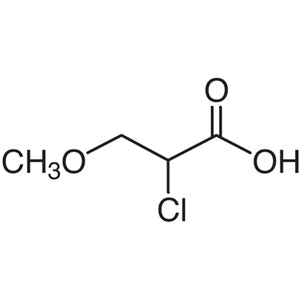
2-Chloro-3-methoxypropionicAcid TCI C1688
Regular price From Rp 2.174.550,00Regular price -
Ethyl3,3-Diethoxypropionate TCI D1962
Regular price From Rp 2.650.200,00Regular price -
4'-Methoxypropiophenone TCI M1719
Regular price Rp 1.510.950,00Regular price