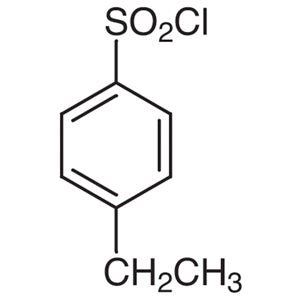
4-Ethylbenzenesulfonyl Chloride is a chemical compound widely used as a building block in the synthesis of complex organic compounds. It serves as a key reagent in various chemical reactions, particularly in substitution reactions where its functional group plays a crucial role. This compound is commonly found in laboratory settings where researchers are engaged in the development of aromatic and heterocyclic compounds. Its versatility makes it an essential component in synthetic chemistry workflows.
The compound's chemical structure allows for a range of reactions, including sulfonation and substitution, under controlled conditions. Its stability in specific environments ensures reliable performance in laboratory experiments, while its reactivity in uncontrolled settings necessitates careful handling. These properties make it a preferred choice for chemists working on intricate synthetic pathways. Its ability to participate in multiple reaction types enhances its utility across various research applications.
In Indonesian laboratories, 4-Ethylbenzenesulfonyl Chloride is extensively used in organic chemistry research, especially in the synthesis of complex molecules requiring sulfonate functionalities. It is a common reagent in academic and industrial research institutions, supporting the development of new chemical compounds and pharmaceuticals. Its role in laboratory processes is vital for advancing chemical synthesis techniques and innovation in the field.
Related TCI products
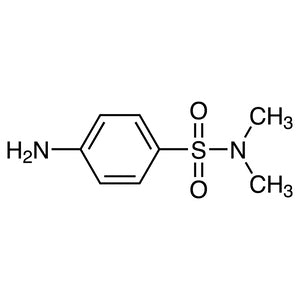
- TCI A3570 1709-59-7 4-Amino-N,N-dimethylbenzenesulfonamide
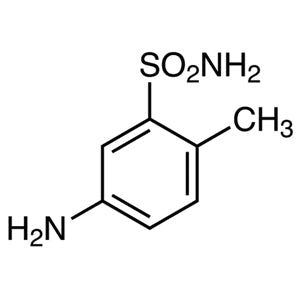
- TCI A2552 6973-09-7 5-Amino-2-methylbenzenesulfonamide
- TCI A0896 6627-59-4 Sodium 2-Amino-4-chloro-5-methylbenzenesulfonate
- TCI M3506 77544-68-4 2-[2-(2-Hydroxyethoxy)ethoxy]ethyl 4-Methylbenzenesulfonate
- TCI M3122 62921-74-8 2-[2-(2-Methoxyethoxy)ethoxy]ethyl 4-Methylbenzenesulfonate
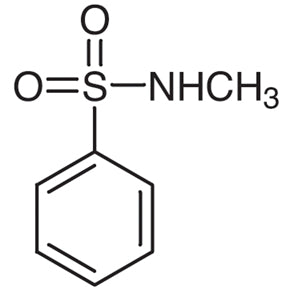
- TCI M0157 5183-78-8 N-Methylbenzenesulfonamide
- Organic synthesis of aromatic and heterocyclic compounds due to its sulfonate functionality and reactivity in substitution reactions.
- Development of pharmaceutical intermediates through sulfonation and substitution pathways in controlled chemical environments.
- Research in chemical engineering for the production of specialty chemicals requiring precise functional group modifications.
- Academic research in universities and research institutes focusing on complex molecule synthesis and reaction mechanisms.
- Industrial applications in chemical manufacturing where high reactivity and functional group versatility are required for compound development.
| Brand | TCI |
|---|---|
| CAS number | 16712-69-9 |
| Molecular formula | — |
| Purity | — |
| Category | Chemistry > Building Blocks > Non-Heterocyclic Building Blocks |
| Pack sizes | Available in standard laboratory quantities as per supplier specifications |
| Physical form | Solid or liquid, depending on the specific product formulation |
| Storage | Store in a cool, dry place away from moisture and direct sunlight |
This compound should be stored in a cool, dry environment, away from moisture and direct sunlight to maintain its chemical stability. It is recommended to use airtight containers made of inert materials such as glass or polyethylene to prevent contamination and degradation. Due to its reactivity, it should be handled with care using appropriate personal protective equipment, including gloves and safety goggles. Laboratory personnel should ensure proper ventilation when working with this compound to minimize exposure. Storage conditions should be monitored regularly to ensure compliance with safety standards and to prevent any potential chemical interactions that could lead to unwanted reactions.
—
Produk Terkait
-
4-Amino-N,N-dimethylbenzenesulfonamide TCI A3570
Regular price Rp 2.359.350,00Regular price -
5-Amino-2-methylbenzenesulfonamide TCI A2552
Regular price Rp 769.650,00Regular price -
Sodium2-Amino-4-chloro-5-methylbenzenesulfonate TCI A0896
Regular price From Rp 452.550,00Regular price -
2-[2-(2-Hydroxyethoxy)ethoxy]ethyl4-Methylbenzenesulfonate TCI M3506
Regular price Rp 5.247.900,00Regular price -
2-[2-(2-Methoxyethoxy)ethoxy]ethyl4-Methylbenzenesulfonate TCI M3122
Regular price From Rp 2.889.600,00Regular price -
N-Methylbenzenesulfonamide TCI M0157
Regular price From Rp 1.749.300,00Regular price -
4-Ethylbenzenesulfonamide TCI E0773
Regular price From Rp 769.650,00Regular price -
Sodium4-Ethylbenzenesulfonate TCI E0104
Regular price Rp 2.121.000,00Regular price

![77544-68-4 2-[2-(2-Hydroxyethoxy)ethoxy]ethyl 4-Methylbenzenesulfonate - AMI Scientific](http://amiscientific.com/cdn/shop/files/TCI2510M3506.jpg?v=1767128334&width=533)
![62921-74-8 2-[2-(2-Methoxyethoxy)ethoxy]ethyl 4-Methylbenzenesulfonate - AMI Scientific](http://amiscientific.com/cdn/shop/files/TCI2510M3122.jpg?v=1767127774&width=533)