Ethyl 3-Indoleacetate is a chemical compound widely used in laboratory settings for its role in organic synthesis, particularly in the development of heterocyclic compounds. As a building block in chemical reactions, it plays a crucial part in the synthesis of alkaloids and other biologically active molecules. This compound is part of the indole family, known for its diverse biological activities, making it a valuable tool for researchers in various scientific disciplines. Its utility lies in its ability to participate in multiple reaction pathways, enabling the creation of complex molecular structures.
Ethyl 3-Indoleacetate is valued for its chemical stability under controlled conditions, although it is sensitive to high temperatures and light exposure. These properties make it suitable for reactions requiring precise environmental control. Its solubility in organic solvents further enhances its applicability in laboratory procedures, facilitating purification and isolation steps. The compound’s reactivity and solubility characteristics contribute to its popularity among chemists working on synthetic routes.
In Indonesian laboratories, Ethyl 3-Indoleacetate is commonly used in organic chemistry research, especially in pharmacology and the synthesis of bioactive compounds. It is frequently employed in drug development and the modification of natural compounds. Its availability and chemical properties make it a preferred choice for researchers aiming to explore new synthetic methodologies and biological applications.
TCI brochures (PDF)
- Synthetic Auxin and Selective Binding to Modified Receptor 2025-05-26 · p. 2
- Plant Hormones 2025-01-30 · p. 1
- Agrochemical Ingredients for Research and Experimental Use 2026-01-08 · p. 7
- Plant Research Reagents 2026-02-24 · p. 13
- Reagents for Biological Research 2025-03-11 · p. 55
- Organic synthesis of heterocyclic compounds due to its structural versatility and reactivity.
- Development of pharmaceuticals and bioactive molecules as a key intermediate in synthetic pathways.
- Research in pharmacology for the creation of new therapeutic agents and drug candidates.
- Modification of natural compounds to enhance their biological activity and pharmacological properties.
- Investigation of indole-based derivatives for their potential in medicinal chemistry and biochemical studies.
| Brand | TCI |
|---|---|
| CAS number | 778-82-5 |
| Molecular formula | — |
| Purity | — |
| Category | Chemistry > Building Blocks > Heterocyclic Building Blocks |
| Pack sizes | Available in standard laboratory quantities as per supplier specifications |
| Physical form | Solid or crystalline, depending on the batch |
| Storage | Store in a cool, dark place away from light and heat sources |
Ethyl 3-Indoleacetate should be stored in a cool, dark environment to prevent degradation due to light and heat exposure. It is recommended to use airtight containers made of glass or high-density polyethylene to maintain its chemical integrity. The compound should be kept away from sources of heat and direct sunlight to ensure stability. In laboratory settings, it is essential to handle the material with care, using appropriate personal protective equipment. Storage conditions should be consistent to avoid fluctuations that may affect its performance in chemical reactions. Proper labeling and secure storage are necessary to prevent accidental exposure and ensure safe handling in a laboratory environment.
—
Produk Terkait
-
3-IndoleaceticAcid TCI I0022
Regular price From Rp 769.650,00Regular price -
Potassium3-Indoleacetate TCI I0023
Regular price From Rp 1.193.850,00Regular price -
3-Indoleacetonitrile TCI I0024
Regular price Rp 769.650,00Regular price -
N6-Benzyladenine TCI B1088
Regular price From Rp 903.000,00Regular price -
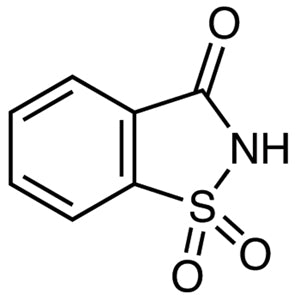
o-Sulfobenzimide TCI B0004
Regular price From Rp 530.250,00Regular price -
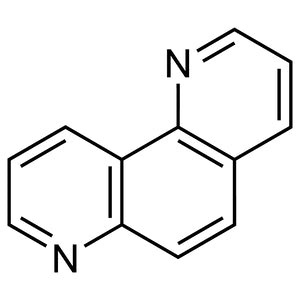
1,7-Phenanthroline TCI P3288
Regular price From Rp 1.565.550,00Regular price -
MethylIndole-3-acetate TCI M2605
Regular price From Rp 2.094.750,00Regular price -
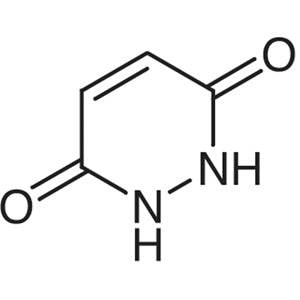
MaleicHydrazide TCI M0015
Regular price From Rp 530.250,00Regular price