Maleic Hydrazide (TCI M0015), with CAS number 123-33-1, is a versatile chemical compound widely used in laboratory settings for its unique reactivity and structural properties. It belongs to the category of heterocyclic building blocks, making it a valuable tool in organic synthesis. This compound is particularly useful in reactions that require the formation of nitrogen-containing bonds or functional group substitutions. Its ability to interact with various functional groups makes it a key component in the development of complex organic molecules.
Maleic Hydrazide is known for its chemical stability under controlled conditions, yet it remains highly reactive when exposed to elevated temperatures, specific catalysts, or certain solvents. Its solubility in organic solvents such as ethyl acetate and acetone further enhances its utility in synthetic processes. These properties make it a preferred choice for chemists looking to explore new synthetic pathways or modify existing molecular structures.
In Indonesian laboratories, Maleic Hydrazide is commonly used in chemical research, especially in the synthesis of heterocyclic compounds and the development of pharmaceutical agents. Its availability, stability, and reactivity make it a reliable material for both academic and industrial applications. Researchers often rely on this compound for its predictable behavior and broad applicability across various chemical reactions.
TCI brochures (PDF)
- Plant Hormones 2025-01-30 · p. 1
- Agrochemical Ingredients for Research and Experimental Use 2026-01-08 · p. 8
- Plant Research Reagents 2026-02-24 · p. 14
- Reagents for Biological Research 2025-03-11 · p. 55
- Heterocyclic Compound Synthesis: Maleic Hydrazide is ideal for synthesizing heterocyclic compounds due to its ability to form stable nitrogen-containing rings.
- Functional Group Modification: Its reactivity allows for the substitution of functional groups, making it useful in modifying molecular structures for pharmaceutical development.
- Organic Reaction Intermediate: It serves as an essential intermediate in various organic reactions, enabling the creation of complex molecules with specific properties.
- Pharmaceutical Research: The compound is frequently used in drug development to explore new chemical pathways and improve the efficacy of potential therapeutic agents.
- Analytical Chemistry: Its distinct chemical properties make it suitable for use in analytical processes where precise chemical reactions are required.
| Brand | TCI |
|---|---|
| CAS number | 123-33-1 |
| Molecular formula | — |
| Purity | — |
| Category | Chemistry > Building Blocks > Heterocyclic Building Blocks |
| Pack sizes | Available in various quantities as per standard laboratory supply |
| Physical form | Solid |
| Storage | Store in a cool, dry place away from moisture and direct sunlight |
Maleic Hydrazide should be stored in a cool, dry environment to maintain its chemical stability. It is recommended to keep the compound in a tightly sealed container to prevent exposure to moisture and air. Due to its reactivity, it should be handled with care, using appropriate personal protective equipment such as gloves and safety goggles. Avoid contact with strong oxidizing agents or incompatible materials. Ensure proper ventilation in the laboratory when working with this compound to minimize any potential health risks. Always follow standard laboratory safety protocols to ensure safe handling and storage practices.
—
Produk Terkait
-
2-ThiophenecarboxylicHydrazide TCI T1140
Regular price Rp 2.491.650,00Regular priceRp 1.757.700,00Sale price Rp 2.491.650,00 -
4-NitrophthalicHydrazide TCI N0799
Regular price Rp 1.033.200,00Regular priceRp 738.150,00Sale price Rp 1.033.200,00 -
N6-Benzyladenine TCI B1088
Regular price Rp 955.500,00Regular priceRp 683.550,00Sale price Rp 955.500,00 -
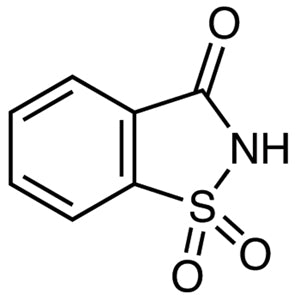
o-Sulfobenzimide TCI B0004
Regular price Rp 582.750,00Regular priceRp 423.150,00Sale price Rp 582.750,00 -
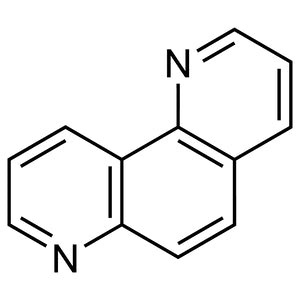
1,7-Phenanthroline TCI P3288
Regular price Rp 1.618.050,00Regular priceRp 1.146.600,00Sale price Rp 1.618.050,00 -
MethylIndole-3-acetate TCI M2605
Regular price Rp 2.147.250,00Regular priceRp 1.517.250,00Sale price Rp 2.147.250,00 -
3-IndolepropionicAcid TCI I0032
Regular price Rp 955.500,00Regular priceRp 683.550,00Sale price Rp 955.500,00 -
3-Indoleacetonitrile TCI I0024
Regular price Rp 822.150,00Regular priceRp 590.100,00Sale price Rp 822.150,00