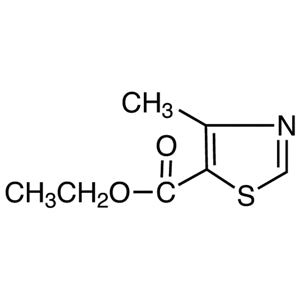
Ethyl 4-Methylthiazole-5-carboxylate is a chemical compound widely used as a building block in the synthesis of heterocyclic compounds. It plays a crucial role in laboratory settings where the formation of complex molecular structures is required, particularly those involving thiazole rings. This compound is essential for researchers working on organic chemistry and pharmaceutical development, as it enables the creation of molecules with specific biological activities. Its versatility makes it a valuable tool in various synthetic pathways, contributing to the advancement of drug discovery and chemical research.
The compound is known for its chemical stability under controlled conditions, although it remains sensitive to moisture and air exposure. Its molecular structure, which includes both a thiazole ring and a carboxylate group, provides high reactivity in substitution and bond-forming reactions. These properties make it an ideal choice for applications that demand precision and control in chemical synthesis. The reactivity and structural complexity of Ethyl 4-Methylthiazole-5-carboxylate support its use in advanced research, particularly in the development of bioactive compounds.
In Indonesian laboratories, Ethyl 4-Methylthiazole-5-carboxylate is commonly used in organic chemistry research, especially in academic institutions and research centers. It is a key component in the synthesis of pharmaceutical intermediates and functional compounds. Due to its importance in chemical synthesis, it is frequently utilized in projects related to drug development and material science. Its availability and reliability make it a preferred choice for researchers in Indonesia.
Related TCI products
- TCI E1394 161798-01-2 Ethyl 2-(3-Formyl-4-hydroxyphenyl)-4-methylthiazole-5-carboxylate
- TCI E1049 399017-10-8 Ethyl 2-(4-Hydroxyphenyl)-4-methylthiazole-5-carboxylate Hydrochloride
- TCI E0898 7210-76-6 Ethyl 2-Amino-4-methylthiazole-5-carboxylate
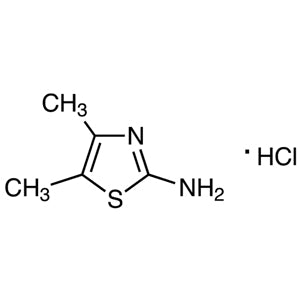
- TCI A0292 71574-33-9 2-Amino-4,5-dimethylthiazole Hydrochloride
- TCI A0336 6142-15-0 2-Amino-4-methylthiazole Hydrochloride
- TCI B1940 4209-18-1 3-Benzyl-4-methylthiazolium Chloride
- Organic synthesis of pharmaceutical intermediates due to its reactivity and structural versatility.
- Development of bioactive compounds for drug discovery applications.
- Research in heterocyclic chemistry for the creation of complex molecular structures.
- Use in functional compound synthesis for material science and chemical engineering projects.
- Support for academic research in Indonesian universities and research institutions.
| Brand | TCI |
|---|---|
| CAS number | 20582-55-2 |
| Molecular formula | — |
| Purity | — |
| Category | Chemistry > Building Blocks > Heterocyclic Building Blocks |
| Pack sizes | Available in standard laboratory quantities as per supplier specifications |
| Physical form | Solid, crystalline appearance |
| Storage | Store in a cool, dry place away from moisture and air exposure |
Ethyl 4-Methylthiazole-5-carboxylate should be stored in a cool, dry environment to maintain its chemical stability. It is recommended to keep the compound in a sealed container to prevent exposure to moisture and air, which can affect its reactivity. Suitable storage containers include glass or high-density polyethylene (HDPE) bottles with tight-fitting lids. In laboratory settings, it is important to handle the compound with care, using appropriate personal protective equipment such as gloves and safety goggles. Avoid direct contact with skin and inhalation of vapors. Ensure proper ventilation in the workspace to minimize exposure risks. Regular monitoring of storage conditions is advised to ensure the compound remains in optimal condition for use.
—
Produk Terkait
-
Ethyl2-(3-Formyl-4-hydroxyphenyl)-4-methylthiazole-5-carboxylate TCI E1394
Regular price From Rp 875.700,00Regular price -
Ethyl2-(4-Hydroxyphenyl)-4-methylthiazole-5-carboxylateHydrochloride TCI E1049
Regular price From Rp 955.500,00Regular price -
Ethyl2-Amino-4-methylthiazole-5-carboxylate TCI E0898
Regular price From Rp 1.087.800,00Regular price -
2-Amino-4,5-dimethylthiazoleHydrochloride TCI A0292
Regular price From Rp 505.050,00Regular price -
2-Amino-4-methylthiazoleHydrochloride TCI A0336
Regular price From Rp 1.326.150,00Regular price -
3-Benzyl-4-methylthiazoliumChloride TCI B1940
Regular price Rp 2.995.650,00Regular price -
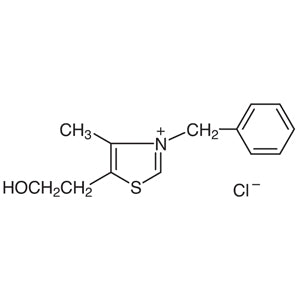
3-Benzyl-5-(2-hydroxyethyl)-4-methylthiazoliumChloride TCI B1224
Regular price Rp 2.227.050,00Regular price -
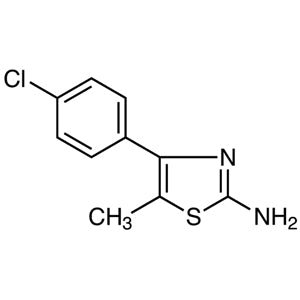
2-Amino-4-(4-chlorophenyl)-5-methylthiazole TCI A3066
Regular price From Rp 1.035.300,00Regular price