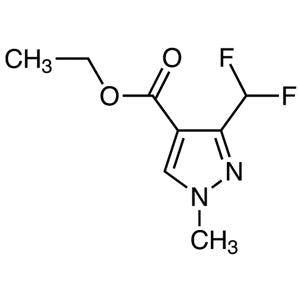
Ethyl 3-(Difluoromethyl)-1-methylpyrazole-4-carboxylate is a chemical compound widely used in organic laboratory reactions. As a fluorinated building block, it plays a crucial role in the synthesis of complex molecules, particularly those requiring precise fluorine substitution. Its unique molecular structure allows for versatility in chemical modifications, making it a valuable tool for researchers aiming to develop new compounds with specific functional properties. This compound is commonly utilized in synthetic pathways that require controlled fluorination, supporting advancements in pharmaceutical and materials science research.
The compound is known for its chemical stability and moderate reactivity, which make it suitable for a range of substitution and functionalization reactions. Its fluorinated substituents contribute to the compound’s ability to participate in various synthetic transformations, enhancing its utility in organic chemistry. The structural complexity of Ethyl 3-(Difluoromethyl)-1-methylpyrazole-4-carboxylate also allows for fine-tuning of molecular properties, enabling it to meet the specific needs of different research applications. These characteristics make it a preferred choice for chemists working on drug development and advanced material synthesis.
In Indonesian laboratories, this compound is frequently used in scientific research and product development initiatives. It is particularly popular in pharmaceutical and medicinal chemistry studies, where its fluorinated structure is essential for creating compounds with desired biological activity. Its availability supports the growth of research activities in both academic and industrial settings, contributing to the advancement of chemical sciences in Indonesia.
TCI brochures (PDF)
- Difluoromethylated Compounds 2025-05-01 · p. 1
Related TCI products
- TCI D4949 176969-34-9 3-(Difluoromethyl)-1-methyl-1H-pyrazole-4-carboxylic Acid
- TCI D4763 705-09-9 2-(Difluoromethyl)benzimidazole
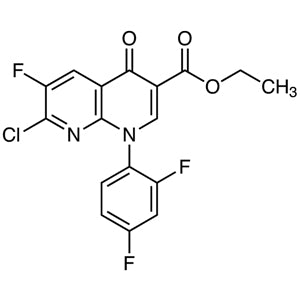
- TCI E1180 100491-29-0 Ethyl 7-Chloro-1-(2,4-difluorophenyl)-6-fluoro-4-oxo-1,4-dihydro-1,8-naphthyridine-3-carboxylate
- TCI M2465 25016-17-5 Methyl 5-Methylpyrazole-3-carboxylate
- TCI E1100 4027-57-0 Ethyl 3-Methylpyrazole-5-carboxylate
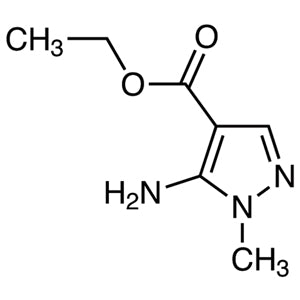
- TCI E0986 31037-02-2 Ethyl 5-Amino-1-methylpyrazole-4-carboxylate
- Organic synthesis research benefits from this compound due to its fluorinated structure, enabling the creation of complex molecules with tailored properties.
- Pharmaceutical development utilizes it for designing drugs with enhanced metabolic stability and bioavailability through controlled fluorine substitution.
- Materials science applications leverage its unique chemical properties to develop new polymers and functional materials with improved performance characteristics.
- Medicinal chemistry studies use it as a building block for synthesizing compounds with potential therapeutic applications in various disease treatments.
- Academic research institutions incorporate it into their experimental protocols to explore novel synthetic pathways and chemical reactivity patterns.
| Brand | TCI |
|---|---|
| CAS number | 141573-95-7 |
| Molecular formula | — |
| Purity | — |
| Category | Chemistry > Building Blocks > Fluorinated Building Blocks |
| Pack sizes | Available in standard laboratory quantities as per supplier specifications |
| Physical form | Solid or liquid, depending on supplier packaging |
| Storage | Store in a cool, dry place away from direct sunlight and moisture |
This compound should be stored in a cool, dry environment to maintain its chemical stability. It is recommended to use airtight containers to prevent exposure to moisture and air, which could affect its reactivity. Proper labeling of storage containers is essential for safe handling and identification. In laboratory settings, it should be handled with appropriate personal protective equipment, such as gloves and safety goggles, to minimize direct contact. Due to its chemical nature, it should be kept away from incompatible substances to prevent potential reactions. Regular monitoring of storage conditions ensures the compound remains suitable for use in research applications.
—
Product Categories
Produk Terkait
-
3-(Difluoromethyl)-1-methyl-1H-pyrazole-4-carboxylicAcid TCI D4949
Regular price From Rp 743.400,00Regular price -
2-(Difluoromethyl)benzimidazole TCI D4763
Regular price From Rp 743.400,00Regular price -
Ethyl7-Chloro-1-(2,4-difluorophenyl)-6-fluoro-4-oxo-1,4-dihydro-1,8-naphthyridine-3-carboxylate TCI E1180
Regular price From Rp 875.700,00Regular price -
Methyl5-Methylpyrazole-3-carboxylate TCI M2465
Regular price From Rp 769.650,00Regular price -
Ethyl3-Methylpyrazole-5-carboxylate TCI E1100
Regular price From Rp 637.350,00Regular price -
Ethyl5-Amino-1-methylpyrazole-4-carboxylate TCI E0986
Regular price From Rp 664.650,00Regular price -
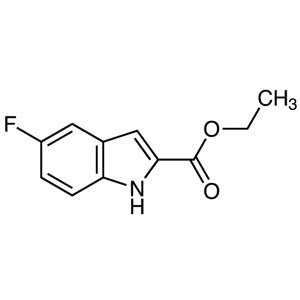
Ethyl5-Fluoroindole-2-carboxylate TCI E1035
Regular price From Rp 2.121.000,00Regular price -
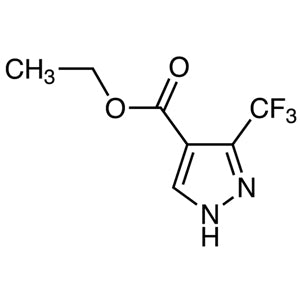
Ethyl3-(Trifluoromethyl)pyrazole-4-carboxylate TCI E1024
Regular price From Rp 903.000,00Regular price