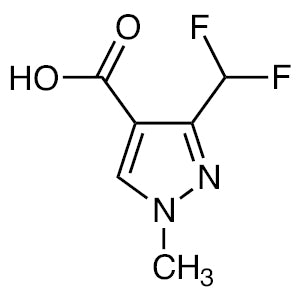
3-(Difluoromethyl)-1-methyl-1H-pyrazole-4-carboxylic Acid is a fluorinated organic compound that plays a crucial role in synthetic chemistry, particularly in the development of heterocyclic structures. This compound is widely used in research settings where the synthesis of complex molecules with specific biological activities is required. Its unique chemical structure makes it an essential building block for chemists working in pharmaceutical and medicinal chemistry fields. Due to its reactivity and stability, it is a valuable tool in the creation of new drug candidates and functional materials.
The presence of the difluoromethyl group and the carboxylic acid group gives this compound distinct chemical properties that make it highly desirable for substitution reactions and other synthetic transformations. These functional groups contribute to its versatility in organic synthesis, allowing it to participate in a wide range of chemical reactions. The fluorine atoms also enhance the compound’s stability and reactivity, making it a preferred choice for researchers aiming to design molecules with specific pharmacological properties.
In Indonesian laboratories, this compound is commonly used in academic and industrial research settings. It is particularly popular in pharmaceutical and organic chemistry laboratories where the development of new compounds with therapeutic potential is a priority. Its application extends to both basic research and applied science, supporting the advancement of chemical knowledge and innovation in the region.
- Organic synthesis research where heterocyclic compounds are needed for drug development.
- Pharmaceutical chemistry applications requiring fluorinated building blocks for improved biological activity.
- Medicinal chemistry studies focused on the design of novel therapeutic agents.
- Academic research in chemical synthesis to explore new reaction pathways and molecular structures.
- Industrial chemical development projects involving the creation of functional materials and specialty chemicals.
| Brand | TCI |
|---|---|
| CAS number | 176969-34-9 |
| Molecular formula | — |
| Purity | — |
| Category | Chemistry > Building Blocks > Fluorinated Building Blocks |
| Pack sizes | Available in various quantities as per standard supplier offerings |
| Physical form | Solid powder |
| Storage | Store in a cool, dry place away from light and moisture |
This compound should be stored in a cool, dry environment, away from direct sunlight and moisture to maintain its chemical integrity. It is recommended to use airtight containers made of glass or high-density polyethylene to prevent contamination and degradation. Due to its fluorinated nature, it may require special handling in environments with high humidity or exposure to reactive substances. Always ensure proper ventilation in the laboratory when working with this material. Keep it away from incompatible materials such as strong oxidizing agents. Regular monitoring of storage conditions is essential to ensure the compound remains stable and suitable for use in chemical experiments.
—
Produk Terkait
-
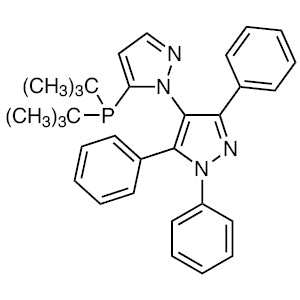
5-(Di-tert-butylphosphino)-1',3',5'-triphenyl-1'H-1,4'-bipyrazole TCI B6221
Regular price Rp 1.749.300,00Regular price -
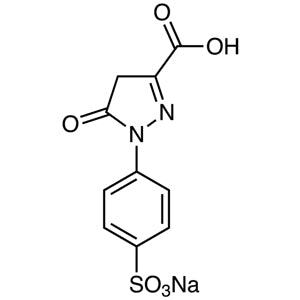
3-Carboxy-1-(4-sulfophenyl)-5-pyrazoloneSodiumSalt TCI C0845
Regular price Rp 1.405.950,00Regular price -
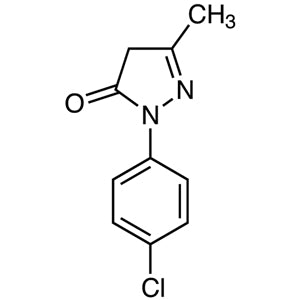
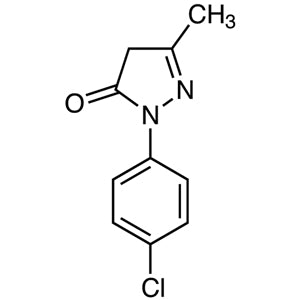
1-(4-Chlorophenyl)-3-methyl-5-pyrazolone TCI C0953
Regular price From Rp 452.550,00Regular price -
N-(Carbobenzoxy)-1H-pyrazole-1-carboxamidine TCI C2709
Regular price From Rp 823.200,00Regular price -
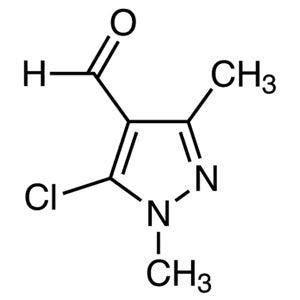
5-Chloro-1,3-dimethylpyrazole-4-carboxaldehyde TCI C2747
Regular price From Rp 1.510.950,00Regular price -
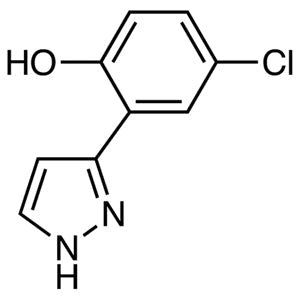
4-Chloro-2-(1H-pyrazol-3-yl)phenol TCI C2818
Regular price Rp 1.936.200,00Regular price -
4-Chloropyrazole TCI C2888
Regular price From Rp 743.400,00Regular price -
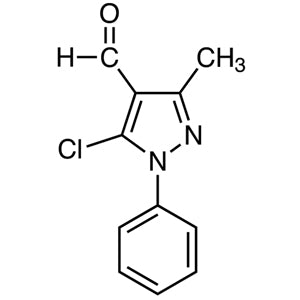
5-Chloro-3-methyl-1-phenyl-1H-pyrazole-4-carboxaldehyde TCI C3559
Regular price From Rp 1.485.750,00Regular price