2-(Difluoromethyl)benzimidazole is a chemical compound widely used as a building block in the synthesis of complex molecules. It is a key intermediate in various organic and pharmaceutical applications due to its versatile structure and functional groups. This compound is particularly valued for its ability to participate in multiple chemical reactions, making it an essential tool in modern laboratory research. Its unique molecular framework, featuring a benzimidazole ring with a difluoromethyl substituent, allows for extensive chemical modifications and functional group transformations.
The compound’s stability and controlled reactivity make it a preferred choice for chemists working in both academic and industrial settings. The presence of fluorine atoms significantly influences its chemical behavior, offering enhanced stability and reactivity compared to non-fluorinated analogs. The benzimidazole ring provides structural rigidity, which is crucial for maintaining molecular integrity during synthesis. These properties make it ideal for applications requiring precise chemical control and predictable reaction outcomes.
In Indonesian laboratories, 2-(Difluoromethyl)benzimidazole is commonly used in organic chemistry, pharmaceutical research, and materials science. Its role in the development of new drugs and functional materials is well recognized. Researchers in Indonesia rely on this compound for its reliability and effectiveness in complex chemical processes. Its widespread use underscores its importance in advancing scientific innovation and discovery in the region.
TCI brochures (PDF)
- Difluoromethylated Compounds 2025-05-01 · p. 1
Related TCI products
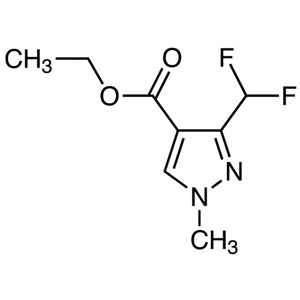
- TCI E1191 141573-95-7 Ethyl 3-(Difluoromethyl)-1-methylpyrazole-4-carboxylate
- TCI D4949 176969-34-9 3-(Difluoromethyl)-1-methyl-1H-pyrazole-4-carboxylic Acid
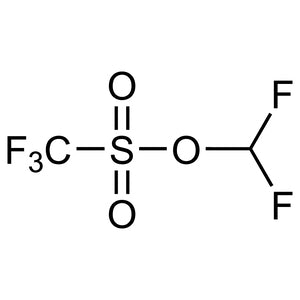
- TCI T4382 1885-46-7 Difluoromethyl Trifluoromethanesulfonate
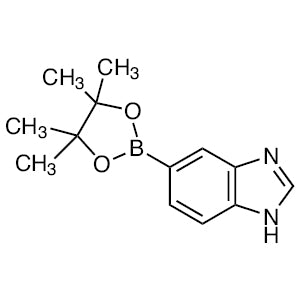
- TCI T3275 1007206-54-3 5-(4,4,5,5-Tetramethyl-1,3,2-dioxaborolan-2-yl)-1H-benzimidazole
- TCI B2812 2622-74-4 2-(4-Bromophenyl)benzimidazole
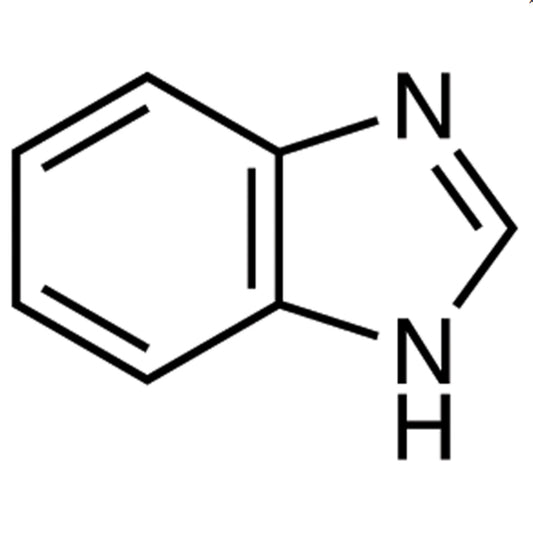
- TCI B0054 51-17-2 Benzimidazole
- Organic synthesis: This compound is ideal for creating complex organic molecules due to its versatile functional groups and reactivity.
- Pharmaceutical research: It serves as a key building block in the development of new drug compounds, supporting medicinal chemistry efforts.
- Heterocyclic chemistry: The benzimidazole ring structure makes it suitable for synthesizing various heterocyclic compounds with unique properties.
- Material science: It is used in the development of advanced materials, including polymers and functional coatings, due to its chemical stability.
- Molecular modification: Its reactivity allows for the design and synthesis of more complex molecular structures through substitution and functionalization.
| Brand | TCI |
|---|---|
| CAS number | 705-09-9 |
| Molecular formula | — |
| Purity | — |
| Category | Chemistry > Building Blocks > Fluorinated Building Blocks |
| Pack sizes | Available in standard laboratory quantities as specified by the supplier |
| Physical form | Solid |
| Storage | Store in a cool, dry place away from light and moisture |
This compound should be stored in a cool, dry environment, away from direct sunlight and moisture. It is recommended to use airtight containers made of glass or high-density polyethylene to prevent contamination and maintain purity. Due to its chemical nature, it should be handled in a well-ventilated area, preferably under a fume hood, to minimize exposure. Avoid contact with incompatible substances such as strong oxidizers or acids. Always wear appropriate personal protective equipment, including gloves, safety goggles, and a lab coat, when handling this material. Proper storage and handling ensure the compound remains effective and safe for use in laboratory applications.
—
Produk Terkait
-
Ethyl3-(Difluoromethyl)-1-methylpyrazole-4-carboxylate TCI E1191
Regular price Rp 2.491.650,00Regular priceRp 1.757.700,00Sale price Rp 2.491.650,00 -
3-(Difluoromethyl)-1-methyl-1H-pyrazole-4-carboxylicAcid TCI D4949
Regular price Rp 795.900,00Regular priceRp 572.250,00Sale price Rp 795.900,00 -
DifluoromethylTrifluoromethanesulfonate TCI T4382
Regular price Rp 1.458.450,00Regular priceRp 1.019.550,00Sale price Rp 1.458.450,00 -
5-(4,4,5,5-Tetramethyl-1,3,2-dioxaborolan-2-yl)-1H-benzimidazole TCI T3275
Regular price Rp 2.173.500,00Regular priceRp 1.535.100,00Sale price Rp 2.173.500,00 -
2-(4-Bromophenyl)benzimidazole TCI B2812
Regular price From Rp 1.961.400,00Regular price -
Benzimidazole TCI B0054
Regular price From Rp 875.700,00Regular price -
5-Amino-2-(4-aminophenyl)benzimidazole TCI A2759
Regular price From Rp 2.094.750,00Regular price -
2-(4-Thiazolyl)benzimidazole TCI T0830
Regular price Rp 1.351.350,00Regular priceRp 960.750,00Sale price Rp 1.351.350,00