(-)-Epicatechin is a naturally occurring phenolic compound found in various plants such as cocoa, tea, and blueberries. It plays a crucial role in biochemical and pharmacological research, particularly in the study of metabolic and inflammatory diseases. As a flavonoid, it is widely used in laboratories for its potent antioxidant properties and its ability to modulate cellular signaling pathways. Its relevance spans across multiple research areas, making it an essential component in modern scientific investigations.
This compound is highly valued due to its purity and solubility in organic solvents such as ethyl acetate and ethanol. These characteristics ensure consistent performance in experimental settings, enhancing the reliability of research outcomes. Additionally, (-)-Epicatechin exhibits stability under certain conditions and resistance to oxidation, which facilitates long-term storage and use. Its non-toxic nature and therapeutic potential further support its application in various scientific studies.
In Indonesian laboratories, (-)-Epicatechin is commonly used in public health, pharmacology, and biotechnology research. Its role in studying diseases like diabetes, cardiovascular disorders, and neurodegenerative conditions makes it a key reagent for researchers aiming to develop new therapeutic strategies. Its availability and reliability make it a preferred choice for both academic and industrial research settings.
TCI brochures (PDF)
- Polyphenols 2024-12-05 · p. 1
- Phytochemicals 2025-12-17 · p. 10
- Reagents for Biological Research 2025-03-11 · p. 53
- In metabolic disease research, (-)-Epicatechin is used to study its effects on glucose metabolism and insulin sensitivity due to its antioxidant and anti-inflammatory properties.
- For inflammatory disease models, it helps in investigating its role in modulating inflammatory pathways and reducing oxidative stress in cellular systems.
- In neurodegenerative disease studies, it is employed to explore its potential in protecting neurons and mitigating oxidative damage in brain tissues.
- In pharmacological research, it serves as a tool to evaluate its bioavailability and therapeutic potential in drug development processes.
- For antioxidant activity assays, it is used to measure its ability to neutralize free radicals and prevent oxidative damage in biological systems.
| Brand | TCI |
|---|---|
| CAS number | 490-46-0 |
| Molecular formula | — |
| Purity | — |
| Category | Life Science > Biochemicals and Reagents > Animal Disease Models Preparation |
| Pack sizes | Available in standard laboratory quantities |
| Physical form | Solid powder |
| Storage | Store in a cool, dry place away from light |
(-)-Epicatechin should be stored in a cool, dry place, away from direct light to maintain its stability and potency. It is recommended to keep it in a sealed container to prevent moisture absorption and contamination. Due to its solubility in organic solvents, it should be handled in a well-ventilated area to avoid inhalation of vapors. Standard laboratory safety practices, such as the use of gloves and goggles, should be followed when handling this compound. It is not classified as hazardous under standard safety guidelines, but proper handling ensures the integrity of the compound and the safety of laboratory personnel.
—
Product Categories
- Biochemicals and ReagentsAnimal Disease Models PreparationReagents for Carcinogenic Models
- Biochemicals and ReagentsCrude Medicine Ingredients for Research and Experimental Use
- Biochemicals and ReagentsPhenylpropanoids, Aromatic PolyketidesAromatic Polyketides
- Cell BiologyCancer ResearchAntitumor Agents for Research
- Cell BiologyNutrition ResearchPhytochemicals
- MicrobiologyEfflux Pump ResearchEfflux Pump Inhibitors
- Pharmaceutical Development and Drug Discovery ResearchCrude Medicine Ingredients for Research and Experimental Use
Produk Terkait
-
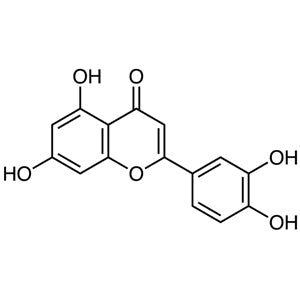
3',4',5,7-Tetrahydroxyflavone TCI T2682
Regular price From Rp 1.618.050,00Regular priceRp 1.146.600,00Sale price From Rp 1.618.050,00 -
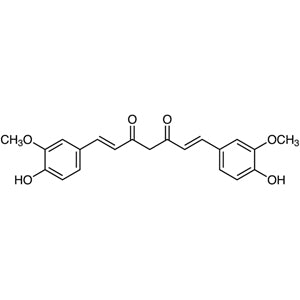
Curcumin(Synthetic) TCI C2302
Regular price From Rp 1.246.350,00Regular priceRp 887.250,00Sale price From Rp 1.246.350,00 -
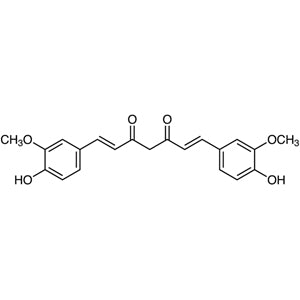
Curcumin(Natural) TCI C0434
Regular price From Rp 637.350,00Regular priceRp 445.200,00Sale price From Rp 637.350,00 -
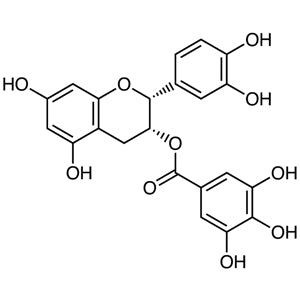
(-)-EpicatechinGallate TCI E0890
Regular price From Rp 5.803.350,00Regular priceRp 4.074.000,00Sale price From Rp 5.803.350,00 -
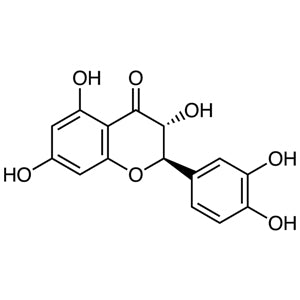
(+)-Taxifolin TCI T3666
Regular price From Rp 3.207.750,00Regular priceRp 2.258.550,00Sale price From Rp 3.207.750,00 -
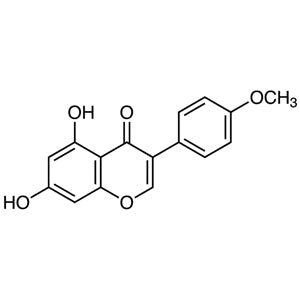
BiochaninA TCI B4098
Regular price From Rp 662.550,00Regular priceRp 478.800,00Sale price From Rp 662.550,00 -
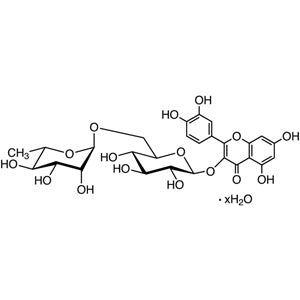
RutinHydrate TCI R0035
Regular price Rp 1.431.150,00Regular priceRp 1.016.400,00Sale price Rp 1.431.150,00 -
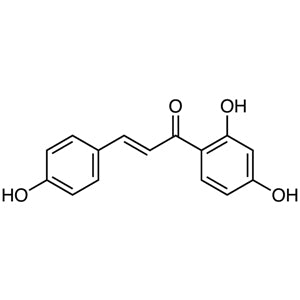
Isoliquiritigenin TCI I0822
Regular price From Rp 1.087.800,00Regular priceRp 775.950,00Sale price From Rp 1.087.800,00