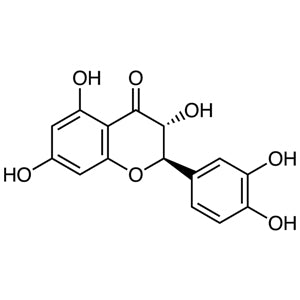
Biochanin A is a naturally occurring compound widely used in scientific research, particularly in the fields of bio-pharmacology and biochemistry. It plays a crucial role in laboratories where researchers investigate biological activities such as antioxidant, anti-inflammatory, and anti-cancer properties. This compound is essential for the development of pharmaceuticals and the study of drug effects, making it a key component in experimental setups aimed at understanding disease mechanisms. Its versatility and biological significance make it a valuable resource for scientists working on molecular interactions and cellular responses to various stimuli.
Biochanin A is preferred due to its unique chemical structure, which provides both reactivity and stability under specific conditions. Its high purity and consistent quality ensure reliable results in experiments requiring precision. The compound is commonly sourced from plants such as *Astragalus* and *Sesbania*, and it can be isolated through extraction and chromatography techniques. These characteristics make it a trusted choice for researchers who demand accuracy and reproducibility in their work.
In Indonesian laboratories, Biochanin A is frequently used in public health research, pharmaceutical development, and academic studies. Its availability through reliable suppliers like AMI Scientific ensures that researchers have access to a high-quality, standardized compound for their experiments. This makes it an essential tool for advancing scientific knowledge in the region.
TCI brochures (PDF)
- Crude Medicine Ingredients for Cancer Research 2025-02-17 · p. 1
- Traditional Medicine/Crude Medicine Research Reagents 2024-09-11 · p. 2
- Polyphenols 2024-12-05 · p. 1
- Plant Research Reagents 2026-02-24 · p. 9
- Phytochemicals 2025-12-17 · p. 12
- Reagents for Biological Research 2025-03-11 · p. 53
- Biochanin A is used in pharmacological research to study drug effects and mechanisms of action due to its biological activity.
- It supports anti-inflammatory studies by providing a natural compound with known anti-inflammatory properties.
- The compound is applied in cancer research to investigate its potential anti-cancer effects on cell proliferation.
- Biochanin A is utilized in antioxidant studies to evaluate its role in neutralizing free radicals and protecting cells.
- It is employed in molecular biology experiments to study molecular interactions and cellular responses to external stimuli.
| Brand | TCI |
|---|---|
| CAS number | 491-80-5 |
| Molecular formula | — |
| Purity | — |
| Category | Life Science > Biochemicals and Reagents > Crude Medicine Ingredients for Research and Experimental Use |
| Pack sizes | Available in various quantities as per supplier specifications |
| Physical form | Solid, typically in powder form |
| Storage | Store in a cool, dry place away from light and moisture |
Biochanin A should be stored in a cool, dry environment, away from direct light and moisture to maintain its stability and potency. It is recommended to use airtight containers to prevent contamination and degradation. Due to its chemical reactivity, it should be handled with care, using appropriate personal protective equipment such as gloves and safety goggles. In laboratory settings, it should be stored separately from incompatible substances to avoid any chemical interactions. Proper labeling and storage conditions are essential to ensure the compound remains viable for research purposes. Regular monitoring of storage conditions helps maintain the integrity of the material for long-term use.
—
Product Categories
- Biochemicals and ReagentsCrude Medicine Ingredients for Research and Experimental Use
- Biochemicals and ReagentsPhenylpropanoids, Aromatic PolyketidesAromatic Polyketides
- Cell BiologyCancer ResearchChemopreventive Agents [Cancer Research]
- Cell BiologyNutrition ResearchPhytochemicals
- MicrobiologyEfflux Pump ResearchEfflux Pump Inhibitors
- Pharmaceutical Development and Drug Discovery ResearchCrude Medicine Ingredients for Research and Experimental Use
Produk Terkait
-
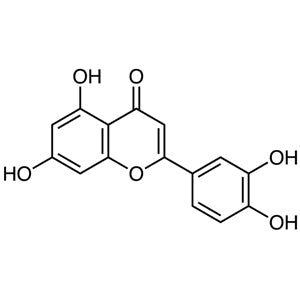
3',4',5,7-Tetrahydroxyflavone TCI T2682
Regular price From Rp 1.618.050,00Regular priceRp 1.146.600,00Sale price From Rp 1.618.050,00 -
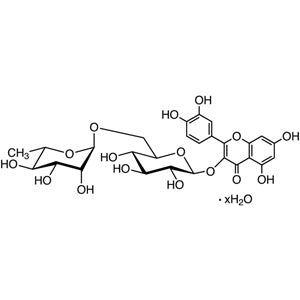
RutinHydrate TCI R0035
Regular price Rp 1.431.150,00Regular priceRp 1.016.400,00Sale price Rp 1.431.150,00 -
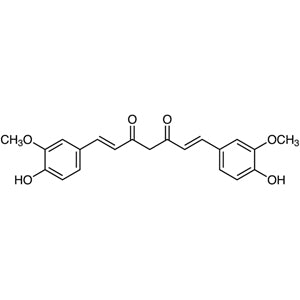
Curcumin(Synthetic) TCI C2302
Regular price From Rp 1.246.350,00Regular priceRp 887.250,00Sale price From Rp 1.246.350,00 -
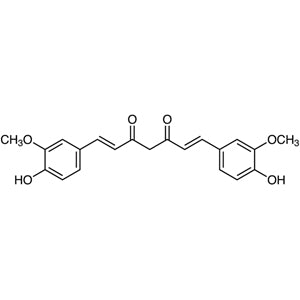
Curcumin(Natural) TCI C0434
Regular price From Rp 637.350,00Regular priceRp 445.200,00Sale price From Rp 637.350,00 -
QuercetinHydrate TCI P0042
Regular price Rp 1.378.650,00Regular priceRp 979.650,00Sale price Rp 1.378.650,00 -
Kaempferol TCI K0018
Regular price From Rp 3.260.250,00Regular priceRp 2.295.300,00Sale price From Rp 3.260.250,00 -
(+)-Taxifolin TCI T3666
Regular price From Rp 3.207.750,00Regular priceRp 2.258.550,00Sale price From Rp 3.207.750,00 -
(-)-Epicatechin TCI E1226
Regular price From Rp 2.757.300,00Regular priceRp 1.943.550,00Sale price From Rp 2.757.300,00