Ethyl 2-[(2-Cyanoethoxy)(4,4-diphenylcyclohexyloxy)phosphoryloxy]acetate is a complex chemical compound widely utilized in laboratory settings for bioconjugation applications. This compound plays a crucial role in chemical biology by enabling specific chemical bonds between various biological molecules. Its unique molecular structure allows for precise modifications of proteins, nucleic acids, and other biomolecules, making it an essential tool for researchers. In the context of laboratory work, it is frequently used in biochemical and pharmacological studies to develop new therapeutic approaches and explore molecular interactions.
The compound is preferred due to its ability to form covalent bonds selectively with target molecules. Its complex chemical structure ensures high reactivity, which is vital for applications requiring precision and specificity. Additionally, the compound exhibits good stability under certain conditions, facilitating storage and handling in laboratory environments. These properties make it a reliable and versatile reagent for advanced research in bioconjugation and molecular modification.
In Indonesian laboratories, this compound is commonly used in molecular modification studies and bioconjugation techniques. Researchers in educational and research institutions rely on it for experiments that require specific molecular interactions. Its application in drug development and biomedical research highlights its importance in advancing scientific understanding and innovation in the region.
Advantages (TCI brochure)
- Diphenylcyclohexane derivative for albumin binding
TCI brochures (PDF)
- Human-Serum-Albumin Binding Agents for Improvement of Pharmacokinetics 2019-02-22 · p. 2
Related TCI products
- TCI E1313 572913-59-8 Ethyl 6-[(2-Cyanoethoxy)(4,4-diphenylcyclohexyloxy)phosphoryloxy]hexanoate
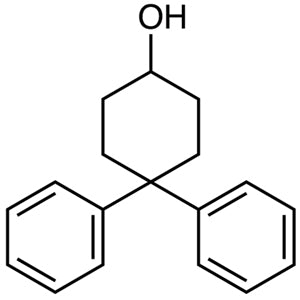
- TCI D4973 42420-85-9 4,4-Diphenylcyclohexanol
- TCI T0525 2465-93-2 1,2,3-Tris(2-cyanoethoxy)propane
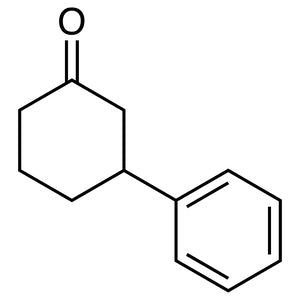
- TCI P3085 20795-53-3 3-Phenylcyclohexan-1-one
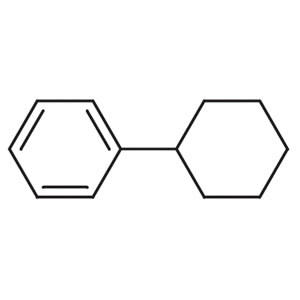
- TCI C0496 827-52-1 Phenylcyclohexane
- TCI P1988 1589-60-2 1-Phenylcyclohexanol
- Bioconjugation Research: This compound is ideal for creating specific molecular linkages between biomolecules, enabling targeted modifications in drug development and diagnostic tools.
- Protein Modification Studies: Its ability to form covalent bonds with proteins makes it a valuable reagent for studying protein structure and function in biochemical experiments.
- Nucleic Acid Functionalization: The compound's reactivity allows for precise modification of nucleic acids, supporting research in genetic engineering and molecular biology.
- Drug Development: It is used in the synthesis of bioactive compounds, aiding in the design of novel therapeutics with improved targeting and efficacy.
- Biomedical Research: Its role in molecular interactions supports studies in immunology, cell biology, and therapeutic applications requiring precise molecular manipulation.
From the TCI brochure
- Albumin-binding tag; brochure cites phosphate ester albumin-affinity tag literature
| Brand | TCI |
|---|---|
| CAS number | 2173111-94-7 |
| Molecular formula | — |
| Purity | — |
| Category | Chemistry > Chemical Biology > Bioconjugation |
| Pack sizes | Available in various quantities as per supplier specifications |
| Physical form | Liquid |
| Storage | Store in a cool, dry place away from light and moisture |
This compound should be stored in a cool, dry environment, away from direct light and moisture to maintain its stability and effectiveness. It is recommended to use airtight containers to prevent contamination and degradation. Due to its chemical nature, it should be handled with appropriate personal protective equipment, such as gloves and safety goggles, to ensure laboratory safety. Proper ventilation is essential during handling to minimize exposure. The compound should not be stored near incompatible substances to avoid potential chemical reactions. Regular monitoring of storage conditions is advised to ensure the integrity of the material throughout its shelf life.
References cited in the TCI brochure
- R B Lauffer. MS-325: albumin-targeted contrast agent for MR angiography. Radiology, 1998. doi:10.1148/radiology.207.2.9577506
- Thomas J. McMurry. The Effect of a Phosphodiester Linking Group on Albumin Binding, Blood Half-Life, and Relaxivity of Intravascular Diethylenetriaminepentaacetato Aquo Gadolinium(III) MRI Contrast Agents Journal of Medicinal Chemistry, 2002. doi:10.1021/jm0102351
- Kerry Zobel. Phosphate ester serum albumin affinity tags greatly improve peptide half-life in vivo Bioorganic & Medicinal Chemistry Letters, 2003. doi:10.1016/s0960-894x(03)00209-9
- Yijun Huang. Conjugation to Albumin‐Binding Molecule Tags as a Strategy to Improve Both Efficacy and Pharmacokinetic Properties of the Complement Inhibitor Compstatin ChemMedChem, 2014. doi:10.1002/cmdc.201402212
Product Categories
- Biochemicals and ReagentsAlbumin Binding AgentsAlbumin Binding Modification Reagents
- Biochemicals and ReagentsBioconjugationAlbumin Binding Modification Reagents
- Pharmaceutical Development and Drug Discovery ResearchAlbumin Binding AgentsAlbumin Binding Modification Reagents
- Pharmaceutical Development and Drug Discovery ResearchBioconjugationAlbumin Binding Modification Reagents
Produk Terkait
-
Ethyl6-[(2-Cyanoethoxy)(4,4-diphenylcyclohexyloxy)phosphoryloxy]hexanoate TCI E1313
Regular price From Rp 3.524.850,00Regular priceRp 2.480.100,00Sale price From Rp 3.524.850,00 -
4,4-Diphenylcyclohexanol TCI D4973
Regular price From Rp 3.949.050,00Regular priceRp 2.761.500,00Sale price From Rp 3.949.050,00 -
1,2,3-Tris(2-cyanoethoxy)propane TCI T0525
Regular price From Rp 3.763.200,00Regular priceRp 2.647.050,00Sale price From Rp 3.763.200,00 -
3-Phenylcyclohexan-1-one TCI P3085
Regular price Rp 6.333.600,00Regular priceRp 4.428.900,00Sale price Rp 6.333.600,00 -
Phenylcyclohexane TCI C0496
Regular price From Rp 717.150,00Regular priceRp 500.850,00Sale price From Rp 717.150,00 -
1-Phenylcyclohexanol TCI P1988
Regular price From Rp 2.068.500,00Regular priceRp 1.445.850,00Sale price From Rp 2.068.500,00 -
UndecanoylChloride TCI U0026
Regular price From Rp 1.590.750,00Regular priceRp 1.127.700,00Sale price From Rp 1.590.750,00 -
MyristoylChloride TCI T0086
Regular price From Rp 1.272.600,00Regular priceRp 905.100,00Sale price From Rp 1.272.600,00