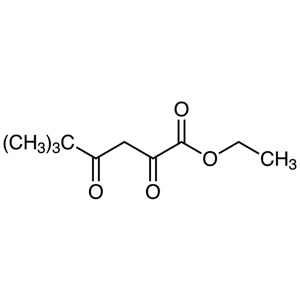
Ethyl Trimethylacetopyruvate is a chemical compound widely used in synthetic reactions within laboratory settings. As a building block in organic chemistry, it serves as a versatile intermediate that can be modified through various chemical reactions to produce more complex molecules. Its structural simplicity allows chemists to explore a wide range of synthetic pathways, making it an essential tool for research and development in the field of organic synthesis. This compound is particularly valued for its stability and reactivity, which enable it to participate in multiple reaction types under controlled conditions.
The compound’s high purity and consistent quality make it a preferred choice for laboratory use. Its chemical properties allow for high reactivity across different reaction conditions, which is crucial for achieving desired outcomes in synthetic processes. Additionally, its physical form—either solid or liquid, depending on storage conditions—ensures compatibility with various laboratory equipment and techniques. These characteristics contribute to its reliability as a standard reagent in both academic and industrial research environments.
In Indonesian laboratories, Ethyl Trimethylacetopyruvate is commonly used in organic chemistry research, especially in higher education institutions and research centers. Its availability and adherence to international quality standards make it a favored material for synthesizing aromatic and heterocyclic compounds. The compound’s role in supporting scientific innovation is significant, particularly in the development of new chemical compounds and pharmaceuticals.
Related TCI products
- Organic synthesis applications benefit from Ethyl Trimethylacetopyruvate's reactivity and structural versatility, enabling the creation of complex molecules.
- It is ideal for academic research in chemistry departments, where its stability and purity support reliable experimental results.
- Pharmaceutical development projects often utilize this compound as a building block for synthesizing active pharmaceutical ingredients.
- Industrial laboratories use it for large-scale production of specialty chemicals, relying on its consistent quality and availability.
- It supports the development of heterocyclic compounds, which are essential in drug discovery and chemical innovation.
| Brand | TCI |
|---|---|
| CAS number | 13395-36-3 |
| Molecular formula | — |
| Purity | — |
| Category | Chemistry > Building Blocks > Non-Heterocyclic Building Blocks |
| Pack sizes | Available in various quantities as per standard laboratory supply |
| Physical form | Solid or liquid depending on storage conditions |
| Storage | Store in a cool, dry place away from direct sunlight |
Ethyl Trimethylacetopyruvate should be stored in a cool, dry environment to maintain its chemical integrity and prevent degradation. It is recommended to keep the compound in airtight containers to minimize exposure to moisture and air, which could affect its stability. Laboratory personnel should handle the material with care, using appropriate personal protective equipment such as gloves and safety goggles. While it is generally considered safe under standard laboratory conditions, it is important to follow general chemical handling protocols to ensure safety. Proper labeling and storage are essential to prevent cross-contamination and ensure the compound remains suitable for use in research applications.
—
Produk Terkait
-
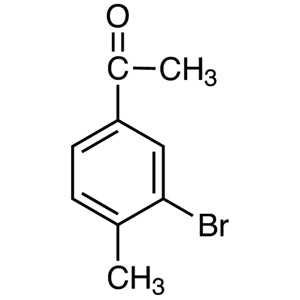
3'-Bromo-4'-methylacetophenone TCI B4758
Regular price From Rp 637.350,00Regular price -
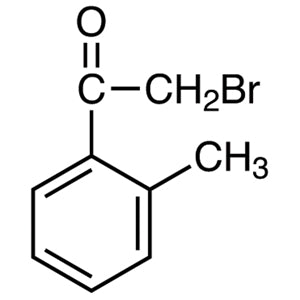
2-Bromo-2'-methylacetophenone TCI B4750
Regular price From Rp 848.400,00Regular price -
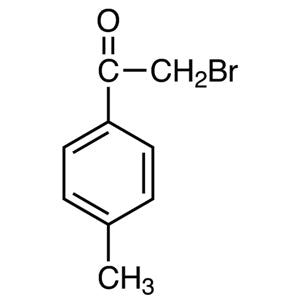
2-Bromo-4'-methylacetophenone TCI B2107
Regular price From Rp 1.220.100,00Regular price -
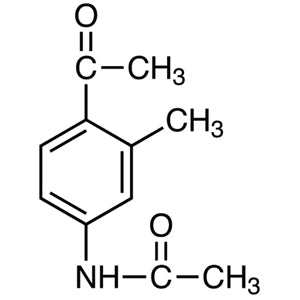
4'-Acetamido-2'-methylacetophenone TCI A2767
Regular price From Rp 1.140.300,00Regular price -
2',4',6'-Trimethylacetophenone TCI T1117
Regular price From Rp 795.900,00Regular price -
3'-Methylacetophenone TCI M0191
Regular price From Rp 2.041.200,00Regular price -
2'-Methylacetophenone TCI M0172
Regular price From Rp 1.829.100,00Regular price -
4'-Methylacetophenone TCI M0135
Regular price From Rp 477.750,00Regular price