TCI E1431, bearing CAS number 204008-22-0, is 1-Ethyl-4-octylbenzene, a substituted aromatic hydrocarbon classified among non-heterocyclic building blocks. Its structure is simple yet specific: a single benzene ring carrying an ethyl group and a straight-chain octyl group at mutually opposing para positions. In the laboratory, compounds with such a well-defined substitution pattern serve as reference materials and model substances — compounds whose identity and atomic arrangement are certain, so they can be used to calibrate observations, verify methods, or act as a starting point for further reactions on the aromatic ring.
The property that makes this compound a preferred choice is its strongly nonpolar character, conferred by the long octyl chain, combined with an aromatic ring that remains available for electrophilic substitution and controlled oxidation. The pairing of a short and a long alkyl group at para positions yields a molecule with a regularity of shape that is of interest for studies of interfacial behaviour, solubility in organic solvents, and separation by reversed-phase chromatography. Purity and identity guaranteed by the supplier make this compound more dependable than material of uncertain provenance.
In Indonesian laboratories, a defined aromatic building block of this kind is typically used in university and institutional research settings, in organic synthesis groups preparing substituted aromatic derivatives, and in analytical laboratories that need a well-characterised nonpolar standard for chromatographic work. Because the compound is supplied with its identity documented, it fits routine method development and teaching contexts where traceability of the substance used matters as much as the result obtained.
- Reversed-phase chromatography reference — its strong nonpolar character and defined structure give predictable retention behaviour, making it useful for checking column performance and method consistency.
- Organic synthesis starting material — the aromatic ring remains open to electrophilic substitution, allowing chemists to build further substituted derivatives from a known para-disubstituted framework.
- Method verification standard — the certain identity and atomic arrangement of the compound allow analysts to confirm that an instrumental or separation method is returning correct results.
- Interfacial behaviour studies — the combination of a short ethyl group and a long octyl chain at para positions produces molecular regularity suited to examining surface and interface phenomena.
- Solubility investigations in organic solvents — the long alkyl chain dominates the compound's nonpolar behaviour, making it a useful model substance for solvent compatibility and partitioning work.
| Brand | TCI |
|---|---|
| CAS number | 204008-22-0 |
| Molecular formula | — |
| Purity | — |
| Category | Chemistry > Building Blocks > Non-Heterocyclic Building Blocks |
| Pack sizes | available in the pack sizes offered by the supplier for this catalogue item |
| Physical form | — |
| Storage | keep in the original supplier container under the conditions stated on the product label |
- Chemical name: 1-Ethyl-4-octylbenzene
- Product code: E1431
Store this product in its original tightly closed supplier container, kept in a cool, dry, well-ventilated area away from direct sunlight, heat sources, and ignition sources, as is standard for organic hydrocarbon reagents. Use containers of material compatible with nonpolar organic liquids, and keep the label and supplier documentation intact so the identity of the contents remains traceable. Handle in a fume hood, wear safety glasses, gloves, and a laboratory coat, and avoid skin contact, inhalation of vapour, and the generation of aerosols. Reseal immediately after dispensing, avoid prolonged exposure to air, and dispose of residues and contaminated materials in accordance with applicable laboratory waste procedures and the manufacturer's safety data sheet.
—
Produk Terkait
-
n-Octylbenzene TCI O0046
Regular price From Rp 2.757.300,00Regular price -
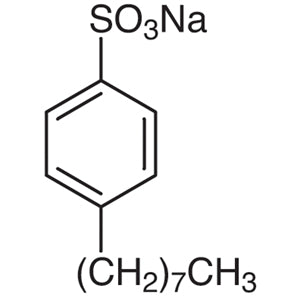
Sodium4-n-Octylbenzenesulfonate TCI O0203
Regular price From Rp 5.141.850,00Regular price -
1,3,5-Tri-tert-butylbenzene TCI T1633
Regular price From Rp 1.378.650,00Regular price -
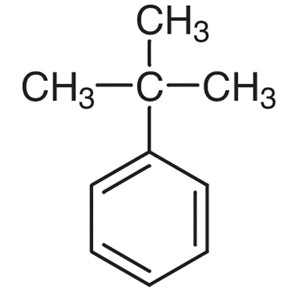
tert-Butylbenzene TCI B0715
Regular price From Rp 505.050,00Regular price -
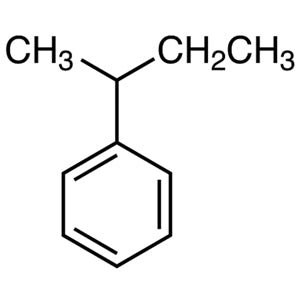
sec-Butylbenzene TCI B0714
Regular price From Rp 637.350,00Regular price -
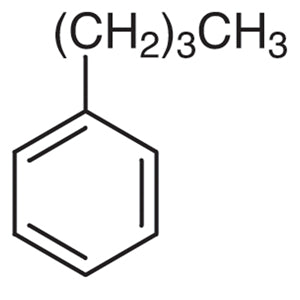
Butylbenzene TCI B0713
Regular price From Rp 875.700,00Regular price -
Neopentylbenzene TCI P1013
Regular price Rp 3.392.550,00Regular price -
Isobutylbenzene TCI I0097
Regular price Rp 637.350,00Regular price