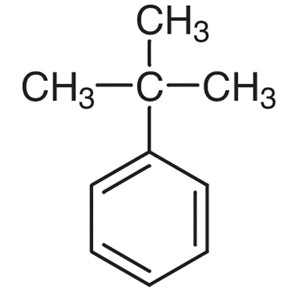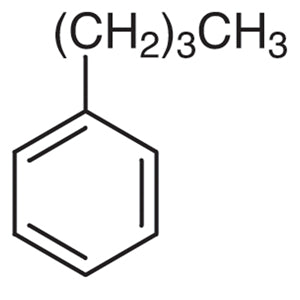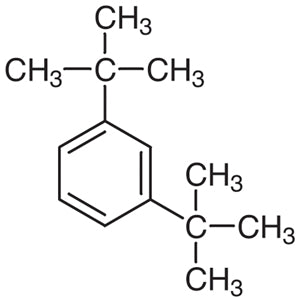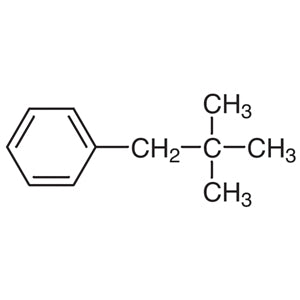
Neopentylbenzene is an organic compound widely used as a building block in various chemical reactions. It serves as a fundamental component in the synthesis of complex molecules, particularly in the field of organic chemistry. Its unique molecular structure allows it to participate in a range of chemical transformations, making it a versatile reagent for laboratory applications. In research settings, Neopentylbenzene is valued for its ability to contribute to the development of both heterocyclic and non-heterocyclic compounds. Its role in chemical synthesis is critical for creating new materials and compounds with specific properties.
The properties of Neopentylbenzene make it a preferred choice in laboratory environments. It is non-polar and highly volatile, which facilitates evaporation and separation processes during chemical reactions. These characteristics also make it suitable for use as an organic solvent. Additionally, its stability and controlled reactivity reduce the risk of unexpected chemical interactions, enhancing safety in laboratory settings. The compound’s inert nature ensures that it does not readily react with other chemicals, making it a reliable and predictable reagent for chemical experiments.
In Indonesian laboratories, Neopentylbenzene is commonly used in chemical research, particularly in organic synthesis and compound characterization. It is a staple in experiments that require stable and easily manageable reagents. Its availability and consistent performance make it a popular choice among researchers. The compound’s reliability and ease of use contribute to its widespread application in both academic and industrial research settings in Indonesia.
- Organic synthesis is a key application where Neopentylbenzene is used to create complex molecules due to its stable structure and reactivity.
- Compound characterization benefits from Neopentylbenzene’s predictable behavior, allowing accurate analysis in spectroscopic and chromatographic techniques.
- Solvent applications leverage its non-polar nature, making it suitable for dissolving a variety of organic compounds in reaction mixtures.
- Reagent compatibility is enhanced by its inert properties, ensuring minimal side reactions during chemical transformations.
- Research development in chemical innovation relies on Neopentylbenzene as a foundational building block for new material synthesis.
| Brand | TCI |
|---|---|
| CAS number | 1007-26-7 |
| Molecular formula | — |
| Purity | — |
| Category | Chemistry > Building Blocks > Non-Heterocyclic Building Blocks |
| Pack sizes | Available in various quantities as per supplier specifications |
| Physical form | Liquid |
| Storage | Store in a cool, dry place away from direct sunlight and incompatible materials |
Neopentylbenzene should be stored in a cool, dry environment, away from direct sunlight and sources of heat. It is recommended to use sealed containers made of materials compatible with organic solvents, such as glass or high-density polyethylene. Due to its volatility, proper ventilation is essential when handling the compound. Laboratory personnel should wear appropriate personal protective equipment, including gloves and safety goggles, to prevent skin or eye contact. The compound should be kept away from incompatible substances like strong oxidizers or acids to ensure safety. Regular monitoring of storage conditions is advised to maintain the integrity and stability of the material.
—
Produk Terkait
-
1-(4-Methoxyphenyl)ethynyl-4-pentylbenzene TCI M3230
Regular price From Rp 2.279.550,00Regular price -
1,3,5-Tri-tert-butylbenzene TCI T1633
Regular price From Rp 1.378.650,00Regular price -
tert-Butylbenzene TCI B0715
Regular price From Rp 505.050,00Regular price -
sec-Butylbenzene TCI B0714
Regular price From Rp 637.350,00Regular price -
Butylbenzene TCI B0713
Regular price From Rp 875.700,00Regular price -
n-Octylbenzene TCI O0046
Regular price From Rp 2.757.300,00Regular price -
1-Ethyl-4-octylbenzene TCI E1431
Regular price From Rp 2.466.450,00Regular price -
1,3-Di-tert-butylbenzene TCI D2431
Regular price From Rp 2.174.550,00Regular price