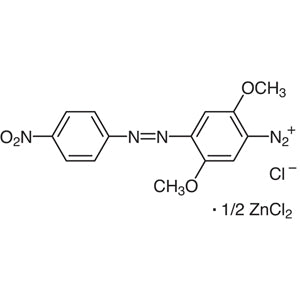
Fast Black K Salt is a chemical pigment that provides a deep black color, widely used in laboratory applications for staining and chemical testing. As an azoic dye, it is a synthetic coloring agent commonly employed in research and experimental settings. This compound plays a crucial role in various analytical processes where visual indicators or coloration are necessary. Its chemical stability makes it a reliable choice for experiments requiring consistent and long-lasting coloration.
One of the key properties that make Fast Black K Salt a preferred choice is its resistance to chemical changes and environmental factors. It maintains its color integrity even under varying conditions, ensuring accurate and reproducible results. The compound also exhibits good resistance to moisture and light, which helps in preserving its effectiveness over time. These characteristics make it suitable for use in a wide range of laboratory procedures where color stability is essential.
In Indonesian laboratories, Fast Black K Salt is commonly used in fields such as analytical chemistry, biochemistry, and sample processing. Its ability to provide a sharp, contrasting black color is particularly useful in the identification and separation of compounds. It is also valued for its durability and reliability in experimental setups, making it a trusted material for researchers and technicians alike.
- Used in chemical analysis for visual indication in titration and colorimetric assays due to its stable black color and high contrast.
- Applied in biochemistry for staining and visualization of cellular structures during microscopic examination.
- Utilized in sample processing for marking or labeling samples to ensure traceability and prevent mix-ups.
- Employed in forensic science for developing latent fingerprints through chemical reaction and color development.
- Integrated into chromatography techniques for visual tracking of compounds during separation processes.
| Brand | TCI |
|---|---|
| CAS number | 64071-86-9 |
| Molecular formula | — |
| Purity | — |
| Category | Chemistry > Stains and Dyes (for Research and Experimental Use) > Azoic Dyes (for Research and Experimental Use) |
| Pack sizes | Available in various quantities as per standard laboratory supply formats |
| Physical form | Powder or solid, depending on packaging |
| Storage | Store in a cool, dry place away from direct sunlight and moisture |
Fast Black K Salt should be stored in a cool, dry environment to maintain its chemical stability and color integrity. It is recommended to keep it in airtight containers to prevent exposure to moisture and light, which can degrade its properties over time. Proper labeling of storage containers is essential to ensure safe handling and prevent cross-contamination. Laboratory personnel should wear appropriate personal protective equipment when handling this compound to minimize direct contact. The material should be stored away from incompatible substances to avoid any potential chemical reactions. Regular inspection of storage conditions is advised to ensure the material remains in optimal condition for use.
—
Produk Terkait
-
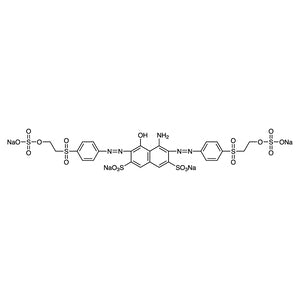
ReactiveBlack5 TCI R0270
Regular price From Rp 1.193.850,00Regular price -
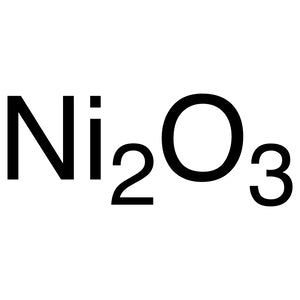
Nickel(III)OxideBlack TCI N1291
Regular price From Rp 2.121.000,00Regular price -
Nitrogen-dopedCarbonBlack TCI N1289
Regular price From Rp 2.359.350,00Regular price -
GlucanfromBlackYeast TCI G0331
Regular price From Rp 2.016.000,00Regular price -
EriochromeBlackT(1:100dilutedwithNaCl) TCI E0487
Regular price Rp 584.850,00Regular price -
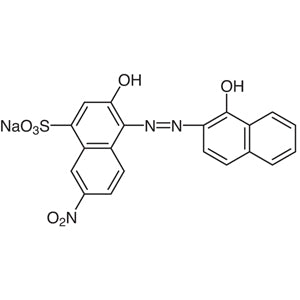
EriochromeBlackT TCI E0214
Regular price Rp 1.326.150,00Regular price -
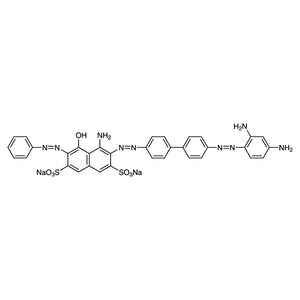
ChlorazolBlackE TCI C0533
Regular price Rp 2.068.500,00Regular price