Nitrogen-doped Carbon Black (NDCB) is a modified carbon material that incorporates nitrogen atoms into its structure, resulting in distinct microstructural and chemical properties compared to conventional carbon black. This specialized material plays a crucial role in laboratory settings, particularly in materials science and chemical research, where it is used to enhance conductivity, chemical stability, and surface reactivity. Its unique composition makes it an essential component in various experimental processes, supporting both fundamental and applied research.
The properties of NDCB that make it a preferred choice include its well-ordered porous structure and highly reactive surface due to the presence of nitrogen atoms. These characteristics enable improved interaction with other materials, making it ideal for applications requiring active chemical engagement. Additionally, its ability to improve composite material performance and enhance chemical process efficiency further solidifies its importance in modern laboratory practices.
In Indonesian laboratories, NDCB is widely used in material, chemical, and environmental research. Its relevance spans across energy-related studies, environmental applications, and the development of new materials. Due to its availability in small packaging, it is easily accessible for use in various experimental setups, supporting both academic and industrial research efforts.
- Surface characterization and modification experiments benefit from NDCB’s reactive surface and ordered porous structure, enabling precise interaction with other materials.
- Battery development and electrochemical research utilize NDCB to enhance conductivity and stability in electrode materials, improving energy storage performance.
- Composite material synthesis relies on NDCB to improve the mechanical and electrical properties of the final product through its conductive and reinforcing characteristics.
- Catalytic applications take advantage of NDCB’s high surface area and chemical reactivity, making it an effective support for catalysts in various reactions.
- Environmental research uses NDCB for adsorption studies and pollutant removal, leveraging its ability to interact with a wide range of substances.
| Brand | TCI |
|---|---|
| CAS number | — |
| Molecular formula | — |
| Purity | — |
| Category | Materials Science > Nanocarbon Materials > Carbon Black |
| Pack sizes | Available in small packaging for laboratory use |
| Physical form | Powder |
| Storage | Store in a cool, dry place away from moisture and direct sunlight |
Nitrogen-doped Carbon Black should be stored in a cool, dry environment to maintain its chemical integrity and prevent moisture absorption. It is recommended to use airtight containers to minimize exposure to air and contaminants. Due to its reactive nature, it should be handled with care, ideally using appropriate personal protective equipment such as gloves and safety goggles. In laboratory settings, it is important to ensure proper ventilation when working with NDCB to avoid any potential airborne exposure. The material should not be stored near heat sources or in areas with high humidity, as these conditions can degrade its properties. Always follow standard laboratory safety protocols when handling and storing this material.
—
Product Categories
Produk Terkait
-
Nitrogen/SulfurCo-dopedGraphene TCI N1234
Regular price From Rp 4.081.350,00Regular priceRp 2.853.900,00Sale price From Rp 4.081.350,00 -
Nitrogen-dopedGraphene TCI N1233
Regular price From Rp 4.081.350,00Regular priceRp 2.853.900,00Sale price From Rp 4.081.350,00 -
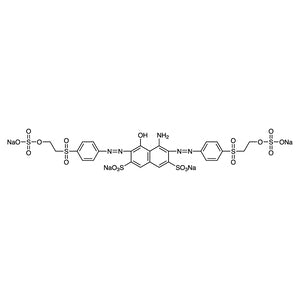
ReactiveBlack5 TCI R0270
Regular price From Rp 1.193.850,00Regular priceRp 834.750,00Sale price From Rp 1.193.850,00 -
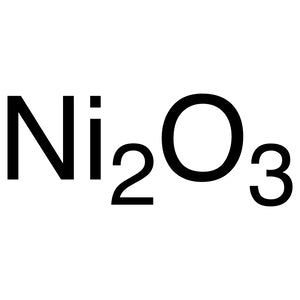
Nickel(III)OxideBlack TCI N1291
Regular price From Rp 2.121.000,00Regular priceRp 1.482.600,00Sale price From Rp 2.121.000,00 -
GlucanfromBlackYeast TCI G0331
Regular price From Rp 2.068.500,00Regular priceRp 1.461.600,00Sale price From Rp 2.068.500,00 -
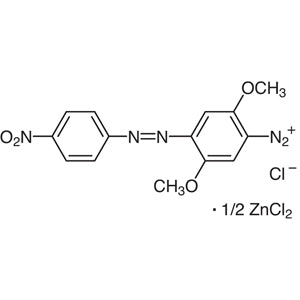
FastBlackKSalt TCI F0092
Regular price Rp 795.900,00Regular priceRp 556.500,00Sale price Rp 795.900,00 -
EriochromeBlackT(1:100dilutedwithNaCl) TCI E0487
Regular price Rp 584.850,00Regular priceRp 408.450,00Sale price Rp 584.850,00 -
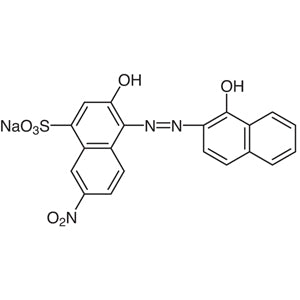
EriochromeBlackT TCI E0214
Regular price Rp 1.326.150,00Regular priceRp 927.150,00Sale price Rp 1.326.150,00