Genistin is a flavonoid compound naturally found in various plant species, particularly in the skin of okra fruits and coffee flower seeds. In the laboratory, it plays a crucial role in biochemical and life science research, serving as a key reagent for studying its biological activities. Its potential applications span antioxidant, anti-inflammatory, and therapeutic properties, making it a valuable tool for scientific investigation. Researchers often use Genistin to explore its interactions with enzymes and proteins, contributing to a deeper understanding of biological systems.
Genistin’s complex chemical structure enables it to interact with a wide range of biological systems, making it a preferred choice in laboratory settings. Its stability and resistance to degradation ensure consistent results across experiments. These properties make it highly sought after in studies related to flavonoid metabolism, pharmacological effects, and the mechanisms of biological activity. Its reliability and effectiveness have made it a staple in many research laboratories worldwide.
In Indonesian laboratories, Genistin is commonly used in pharmacology, biochemistry, and phytochemistry research. It supports efforts in the development of new drugs, the analysis of natural compounds, and the investigation of the health effects of flavonoids. Its availability in the local market facilitates scientific progress and contributes to the advancement of research in these fields.
TCI brochures (PDF)
- Phytochemicals 2025-12-17 · p. 12
- Reagents for Biological Research 2025-03-11 · p. 53
- Pharmacological research utilizes Genistin to investigate its potential therapeutic effects and mechanisms of action in drug development.
- Biochemical studies employ Genistin to analyze its antioxidant and anti-inflammatory properties in cellular and molecular systems.
- Phytochemical analysis benefits from Genistin’s presence in plant extracts, aiding in the identification and characterization of natural compounds.
- Flavonoid metabolism studies rely on Genistin to explore its role in metabolic pathways and interactions within biological systems.
- Toxicological assessments use Genistin to evaluate its safety and potential side effects in experimental models.
| Brand | TCI |
|---|---|
| CAS number | 529-59-9 |
| Molecular formula | — |
| Purity | — |
| Category | Life Science > Biochemicals and Reagents > Phenylpropanoids, Aromatic Polyketides |
| Pack sizes | Available in various quantities as per supplier specifications |
| Physical form | Powder |
| Storage | Store in a cool, dry place away from light |
Genistin should be stored in a cool, dry environment, away from direct sunlight and sources of heat. It is recommended to keep it in a sealed container to prevent moisture absorption and contamination. Due to its chemical nature, it should be handled with appropriate personal protective equipment, such as gloves and safety goggles. Avoid exposure to incompatible substances, and ensure proper ventilation in the workspace. Regular monitoring of storage conditions is advised to maintain its stability and effectiveness for research purposes.
—
Produk Terkait
-
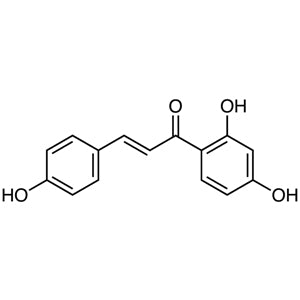
Isoliquiritigenin TCI I0822
Regular price From Rp 1.035.300,00Regular price -
Tetrahydrocurcumin TCI T3587
Regular price From Rp 2.386.650,00Regular price -
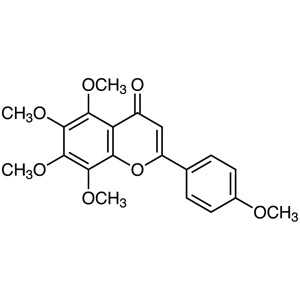
Tangeretin TCI T2708
Regular price From Rp 5.619.600,00Regular price -
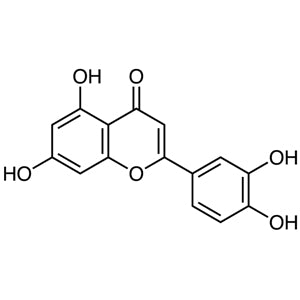
3',4',5,7-Tetrahydroxyflavone TCI T2682
Regular price From Rp 1.565.550,00Regular price -
Butein TCI B3803
Regular price From Rp 3.048.150,00Regular price -
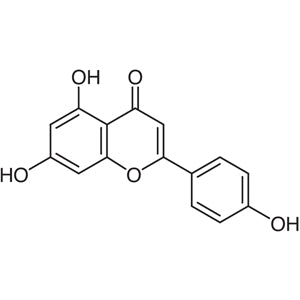
Apigenin TCI A1514
Regular price Rp 5.778.150,00Regular price -
Rhapontigenin TCI R0089
Regular price Rp 6.784.050,00Regular price -
Naringin TCI N0073
Regular price Rp 1.618.050,00Regular price