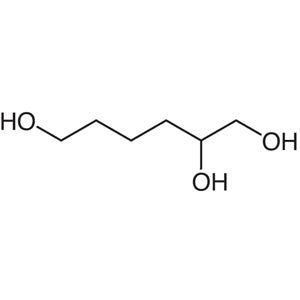
1,2,6-Hexanetriol is an organic compound with a molecular structure featuring three hydroxyl (-OH) groups positioned on carbon atoms 1, 2, and 6 of a hexane chain. This compound plays a vital role in laboratory settings as a foundational building block for the synthesis of complex organic molecules. Its versatility and reactivity make it a valuable tool in chemical research, enabling the creation of various derivatives and functional groups. In many synthetic processes, it serves as a precursor or intermediate, contributing to the development of new chemical compounds and materials.
The compound is highly soluble in organic solvents such as ethanol and ethers, which facilitates its use in chemical reactions and mixtures. This solubility, combined with its symmetric structure, enhances its reactivity and predictability in chemical processes. The molecule's ability to participate in multiple reaction types, including oxidation and esterification, makes it a preferred choice for chemists seeking reliable and efficient synthetic pathways. Its chemical properties are well-suited for a wide range of experimental applications.
In Indonesian laboratories, 1,2,6-Hexanetriol is widely utilized in chemical research, particularly in the synthesis of complex organic compounds and the development of new chemical materials. Its availability and chemical properties make it a common reagent in both academic and industrial research settings. It is frequently used in projects involving organic synthesis, polymer chemistry, and functional group modification. Its role in supporting scientific innovation is well-recognized in the local scientific community.
TCI brochures (PDF)
- Pharmaceutical Ingredients for Research and Experimental Use 2026-03-09 · p. 49
- Reagents for Biological Research 2025-03-11 · p. 50
Related TCI products
- TCI H1069 106-69-4 1,2,6-Hexanetriol
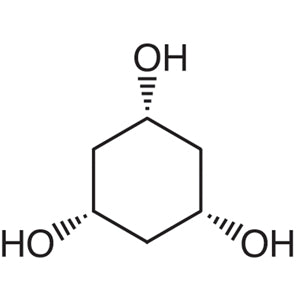
- TCI C2275 50409-12-6 (1alpha,3alpha,5alpha)-1,3,5-Cyclohexanetriol
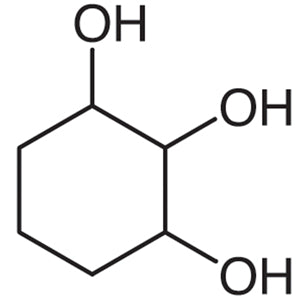
- TCI C1132 6286-43-7 1,2,3-Cyclohexanetriol (cis- and trans- mixture)
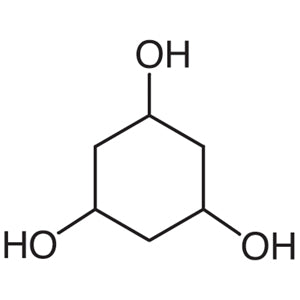
- TCI C1051 2041-15-8 1,3,5-Cyclohexanetriol (cis- and trans- mixture)
- TCI T4161 7360-38-5 Triethylhexanoin
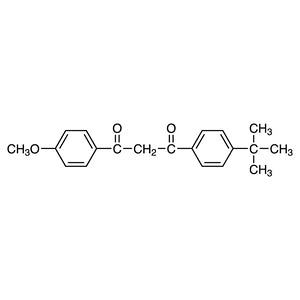
- TCI B3382 70356-09-1 Avobenzone
- Organic synthesis: 1,2,6-Hexanetriol is widely used in the synthesis of complex organic compounds due to its multiple hydroxyl groups, which can be modified through various chemical reactions.
- Polymer chemistry: The compound is employed in the development of polymers and polymeric materials because of its ability to form cross-linking structures through its functional groups.
- Functional group modification: Its hydroxyl groups allow for the introduction of various functional groups, making it useful in modifying existing molecules for specific applications.
- Analytical chemistry: It serves as a standard or reference material in analytical procedures due to its well-defined chemical structure and predictable behavior in reactions.
- Industrial chemical development: The compound is used in the formulation of new chemical products, particularly in the creation of specialty chemicals and intermediates.
| Brand | TCI |
|---|---|
| CAS number | 106-69-4 |
| Molecular formula | — |
| Purity | — |
| Category | Chemistry > Building Blocks > Non-Heterocyclic Building Blocks |
| Pack sizes | Available in various quantities as per supplier specifications |
| Physical form | Liquid |
| Storage | Store in a cool, dry place away from direct sunlight and incompatible materials |
1,2,6-Hexanetriol should be stored in a cool, dry environment to maintain its chemical integrity. It is recommended to keep the compound in a tightly sealed container to prevent evaporation and contamination. Due to its reactivity, it should be stored away from strong oxidizing agents and incompatible substances. The container should be made of materials that are chemically inert, such as glass or high-density polyethylene. In laboratory settings, it is important to handle the compound with appropriate personal protective equipment, including gloves and safety goggles. Regular monitoring of storage conditions is advised to ensure the stability and safety of the material.
—
Product Categories
Produk Terkait
-
1,2,6-Hexanetriol TCI H1069
Regular price From Rp 1.246.350,00Regular price -
(1alpha,3alpha,5alpha)-1,3,5-Cyclohexanetriol TCI C2275
Regular price From Rp 5.857.950,00Regular price -
1,2,3-Cyclohexanetriol(cis-andtrans-mixture) TCI C1132
Regular price From Rp 4.056.150,00Regular price -
1,3,5-Cyclohexanetriol(cis-andtrans-mixture) TCI C1051
Regular price From Rp 2.174.550,00Regular price -
Triethylhexanoin TCI T4161
Regular price From Rp 743.400,00Regular price -
Avobenzone TCI B3382
Regular price From Rp 875.700,00Regular price -
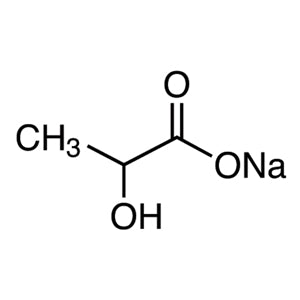
SodiumDL-Lactate(60%inWater) TCI S0928
Regular price Rp 823.200,00Regular price -
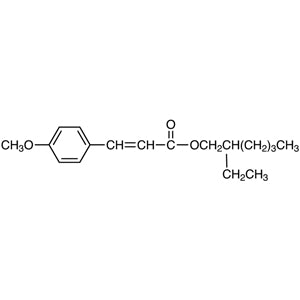
2-Ethylhexyl4-Methoxycinnamate TCI M1082
Regular price From Rp 1.060.500,00Regular price