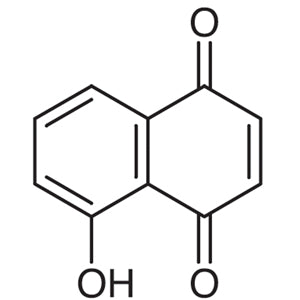
5-Hydroxy-1,4-naphthoquinone is a chemical compound widely used in laboratory settings for the synthesis of complex molecules. As a key building block in organic chemistry, it serves as a versatile intermediate in various synthetic pathways. Its structural stability and reactivity make it an essential component in the development of pharmaceuticals, dyes, and industrial chemicals. This compound is particularly valued for its ability to participate in oxidation and reduction reactions, enabling the formation of a wide range of functional groups.
The compound’s aromatic structure and functional groups contribute to its reactivity and utility in chemical reactions. Its ability to form stable intermediates and its compatibility with a variety of reagents make it a preferred choice for chemists working on complex molecular synthesis. Additionally, its antiseptic and antioxidant properties add to its appeal in research applications, especially in health-related studies. These characteristics make it a valuable tool for researchers aiming to develop new compounds with specific biological or chemical properties.
In Indonesian laboratories, 5-Hydroxy-1,4-naphthoquinone is commonly used in organic chemistry research, particularly in academic and research institutions. It plays a crucial role in the synthesis of pigments, pharmaceuticals, and other specialty chemicals. Its presence in laboratory workflows supports the advancement of scientific knowledge and the development of innovative products in the fields of pharmacology and biotechnology.
Related TCI products
- Synthesis of Antiseptic Compounds: This compound is ideal for creating antiseptic agents due to its inherent antimicrobial properties, making it a key material in health product development.
- Organic Chemistry Research: Its reactivity and structural versatility make it a preferred building block for synthesizing complex organic molecules in academic and industrial laboratories.
- Pharmaceutical Development: The compound’s ability to participate in oxidation and reduction reactions supports the synthesis of drug molecules with specific therapeutic applications.
- Dye and Pigment Production: Its aromatic structure and functional groups enable the creation of various pigments and dyes used in the chemical and textile industries.
- Biochemical Studies: Its antioxidant properties make it useful in research focused on oxidative stress and related biological processes.
| Brand | TCI |
|---|---|
| CAS number | 481-39-0 |
| Molecular formula | — |
| Purity | — |
| Category | Chemistry > Building Blocks > Non-Heterocyclic Building Blocks |
| Pack sizes | Available in various quantities as per supplier specifications |
| Physical form | Solid |
| Storage | Store in a cool, dry place away from light and moisture |
This compound should be stored in a cool, dry environment, away from direct light and moisture to maintain its chemical integrity. It is recommended to use airtight containers to prevent exposure to air and moisture, which could affect its stability. Due to its reactivity, it should be handled with appropriate personal protective equipment, including gloves and safety goggles, to ensure laboratory safety. Proper ventilation is essential when working with this compound to minimize inhalation risks. It is important to follow standard laboratory safety protocols to prevent accidental exposure and ensure safe handling during synthesis processes.
—
Produk Terkait
-
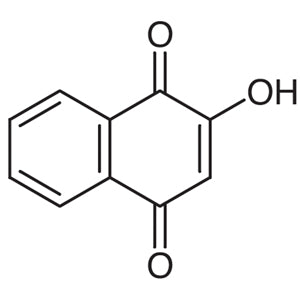
2-Hydroxy-1,4-naphthoquinone TCI H0285
Regular price From Rp 1.538.250,00Regular price -
1,4-Naphthoquinone TCI N0040
Regular price From Rp 637.350,00Regular price -
2,3-Dichloro-5,8-dihydroxy-1,4-naphthoquinone TCI D2421
Regular price From Rp 3.498.600,00Regular price -
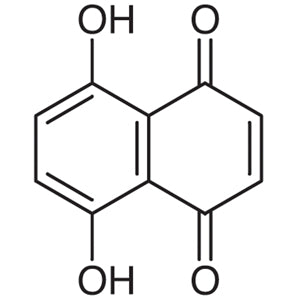
5,8-Dihydroxy-1,4-naphthoquinone TCI D2070
Regular price Rp 10.705.800,00Regular price -
2,3-Dichloro-1,4-naphthoquinone TCI D0384
Regular price From Rp 505.050,00Regular price -
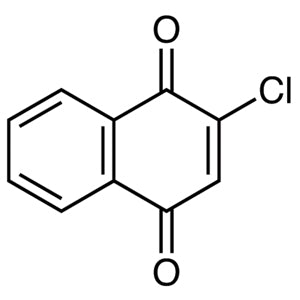
2-Chloro-1,4-naphthoquinone TCI C2721
Regular price Rp 2.439.150,00Regular price -
N,N'-[(Perfluoropropane-2,2-diyl)bis(6-hydroxy-3,1-phenylene)]bis(1,3-dioxo-1,3-dihydroisobenzofuran-5-carboxamide) TCI T4007
Regular price From Rp 1.776.600,00Regular price -
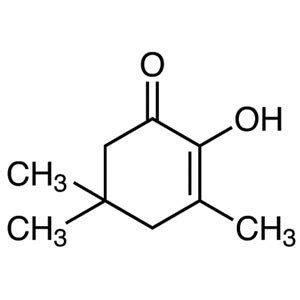
2-Hydroxy-3,5,5-trimethyl-2-cyclohexen-1-one TCI T2723
Regular price Rp 1.273.650,00Regular price



![223255-30-9 N,N'-[(Perfluoropropane-2,2-diyl)bis(6-hydroxy-3,1-phenylene)]bis(1,3-dioxo-1,3-dihydroisobenzofuran-5-carboxamide) - AMI Scientific](http://amiscientific.com/cdn/shop/files/TCI2510T4007.jpg?v=1767144592&width=533)