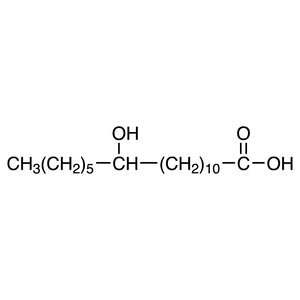
12-Hydroxystearic Acid (106-14-9) is an organic compound widely used in chemical and industrial applications. It serves as a fundamental building block in the synthesis of complex molecules, playing a crucial role in laboratory research. This compound is particularly valuable in the development of surfactants, emulsifiers, and pharmaceutical actives due to its unique chemical structure. Its long hydrocarbon chain and hydroxyl group make it a versatile reagent that can be modified through various chemical reactions. In the laboratory, it is often used as a starting material for the creation of functionalized derivatives, contributing to the advancement of chemical science and technology.
The physical and chemical properties of 12-Hydroxystearic Acid make it a preferred choice for many applications. It is non-polar in nature, which allows it to dissolve easily in organic solvents such as ethyl acetate and hexane. This solubility is essential for reactions that require interaction between non-polar molecules. Additionally, its relatively high melting point ensures stability under typical laboratory conditions, making it reliable for use in various experimental setups. The reactivity of this compound also makes it suitable for reactions that demand high reactivity and controlled stability.
In Indonesian laboratories, 12-Hydroxystearic Acid is commonly used in chemical, pharmaceutical, and material research. It is a key component in the development of new compounds and formulations, supporting both academic and industrial research. Its availability and chemical versatility make it a widely utilized reagent in the scientific community. This compound is essential for advancing research in diverse fields, from drug development to polymer science.
- Chemical synthesis of surfactants and emulsifiers due to its hydrophobic and hydrophilic properties.
- Pharmaceutical research for the development of active ingredients and drug delivery systems.
- Material science applications in the creation of functional polymers and coatings.
- Organic chemistry experiments requiring non-polar reagents with high reactivity.
- Industrial formulation processes for the production of stable and functional chemical products.
| Brand | TCI |
|---|---|
| CAS number | 106-14-9 |
| Molecular formula | — |
| Purity | — |
| Category | Chemistry > Building Blocks > Non-Heterocyclic Building Blocks |
| Pack sizes | Available in various quantities as per standard laboratory supply |
| Physical form | Solid |
| Storage | Store in a cool, dry place away from moisture and direct sunlight |
12-Hydroxystearic Acid should be stored in a cool, dry environment to maintain its chemical integrity. It is recommended to keep it in a sealed container to prevent exposure to moisture, which could affect its stability. Due to its non-polar nature, it is best stored in glass or plastic containers that are resistant to organic solvents. Laboratory personnel should handle the compound with care, using appropriate personal protective equipment such as gloves and safety goggles. Avoid contact with skin and eyes, and ensure proper ventilation in the workspace. This compound is not classified as hazardous under standard laboratory conditions, but standard safety protocols should still be followed to ensure safe handling and storage.
—
Produk Terkait
-
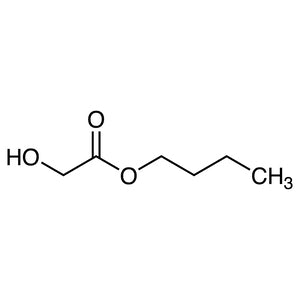
Butyl2-Hydroxyacetate TCI B6748
Regular price From Rp 1.220.100,00Regular price -
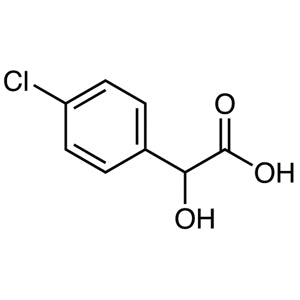
4-Chloro-DL-mandelicAcid TCI C0193
Regular price From Rp 1.035.300,00Regular price -
DeoxycholicAcid TCI C0315
Regular price From Rp 1.618.050,00Regular price -
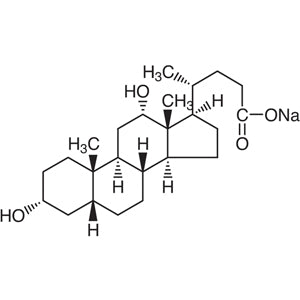
SodiumDeoxycholate TCI C0316
Regular price From Rp 1.644.300,00Regular price -
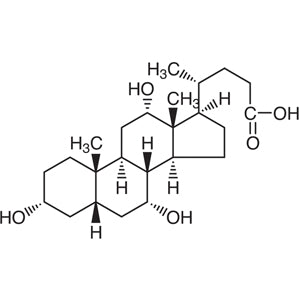
CholicAcid TCI C0324
Regular price From Rp 1.353.450,00Regular price -
SodiumCholate TCI C0325
Regular price From Rp 1.724.100,00Regular price -
ChenodeoxycholicAcid TCI C0750
Regular price Rp 1.246.350,00Regular price -
Methyl(E)-4-Chloro-3-methoxy-2-butenoate TCI C1340
Regular price From Rp 1.908.900,00Regular price