2-Hydroxypalmitic Acid (2-HPA) is a chemical compound widely used in laboratory experiments, particularly in the synthesis of organic compounds. It is a fatty acid derivative with a hydroxyl group at the second carbon position, which imparts unique reactivity and versatility. This compound serves as a key building block for the creation of complex molecules such as esters, amides, and bioactive substances. Its structural simplicity and flexibility make it a valuable tool for researchers aiming to modify hydrocarbon chains or introduce new functional groups into molecules.
The chemical properties of 2-Hydroxypalmitic Acid, including its solubility in organic solvents and reactivity in various chemical reactions, make it a preferred choice for laboratory applications. Its ability to participate in esterification and amide formation reactions allows it to be used in a wide range of synthetic processes. The compound's stability and compatibility with different reagents further enhance its utility in both academic and industrial research settings.
In Indonesian laboratories, 2-Hydroxypalmitic Acid is commonly used in chemical, pharmaceutical, and biochemical research. It is a staple in educational institutions and research laboratories where organic synthesis is required. Its role in creating functionalized compounds makes it essential for studies involving drug development, material science, and biochemistry. The compound's availability and reliability make it a go-to material for researchers working on complex molecular structures.
- Ester Synthesis: 2-Hydroxypalmitic Acid is ideal for producing esters with long hydrocarbon chains, commonly used in fragrance and pharmaceutical industries.
- Amide Formation: Its hydroxyl group facilitates amide bond formation, making it suitable for synthesizing bioactive compounds and pharmaceutical intermediates.
- Functional Group Modification: The compound's reactivity allows researchers to modify hydrocarbon chains, enabling the creation of new molecular structures with specific properties.
- Organic Chemistry Education: It is frequently used in teaching laboratories to demonstrate esterification and hydroxyl group reactivity in organic synthesis.
- Biochemical Research: Its role in creating bioactive molecules makes it valuable for studying enzyme interactions and metabolic pathways in biological systems.
| Brand | TCI |
|---|---|
| CAS number | 764-67-0 |
| Molecular formula | — |
| Purity | — |
| Category | Chemistry > Building Blocks > Non-Heterocyclic Building Blocks |
| Pack sizes | Available in various quantities as per standard laboratory supply |
| Physical form | Solid, white crystalline powder |
| Storage | Store in a cool, dry place away from moisture and direct sunlight |
2-Hydroxypalmitic Acid should be stored in a cool, dry environment to maintain its chemical integrity. It is recommended to keep the compound in airtight containers to prevent moisture absorption, which can affect its purity and reactivity. Due to its organic nature, it should be stored away from strong oxidizing agents and incompatible substances. In laboratory settings, it is essential to handle the compound with appropriate personal protective equipment, such as gloves and safety goggles, to ensure safe handling. Proper labeling of storage containers is also crucial for identifying the compound and preventing accidental use. Regular inspection of storage conditions ensures that the material remains in optimal condition for use in research applications.
—
Produk Terkait
-
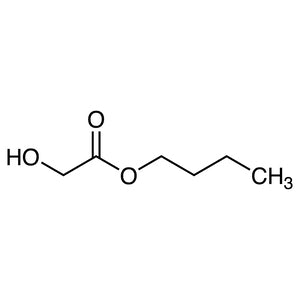
Butyl2-Hydroxyacetate TCI B6748
Regular price From Rp 1.272.600,00Regular priceRp 905.100,00Sale price From Rp 1.272.600,00 -
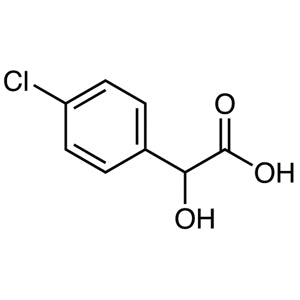
4-Chloro-DL-mandelicAcid TCI C0193
Regular price From Rp 1.087.800,00Regular priceRp 775.950,00Sale price From Rp 1.087.800,00 -
DeoxycholicAcid TCI C0315
Regular price From Rp 1.670.550,00Regular priceRp 1.183.350,00Sale price From Rp 1.670.550,00 -
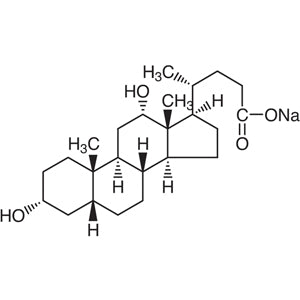
SodiumDeoxycholate TCI C0316
Regular price From Rp 1.696.800,00Regular priceRp 1.202.250,00Sale price From Rp 1.696.800,00 -
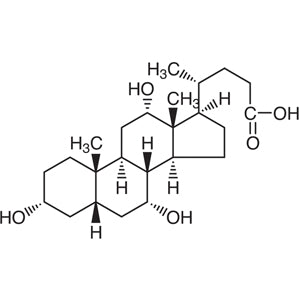
CholicAcid TCI C0324
Regular price From Rp 1.405.950,00Regular priceRp 998.550,00Sale price From Rp 1.405.950,00 -
SodiumCholate TCI C0325
Regular price From Rp 1.776.600,00Regular priceRp 1.257.900,00Sale price From Rp 1.776.600,00 -
ChenodeoxycholicAcid TCI C0750
Regular price Rp 1.298.850,00Regular priceRp 924.000,00Sale price Rp 1.298.850,00 -
Methyl(E)-4-Chloro-3-methoxy-2-butenoate TCI C1340
Regular price From Rp 1.961.400,00Regular priceRp 1.387.050,00Sale price From Rp 1.961.400,00