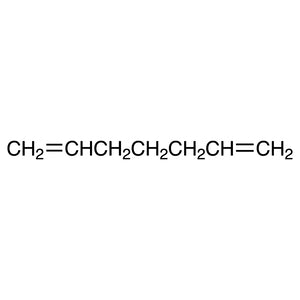
1,6-Heptadiene is a chemical compound classified under non-heterocyclic building blocks, commonly used in organic chemistry for its unique structural properties. This compound plays a crucial role in laboratory settings by serving as a foundational material for the synthesis of complex organic compounds. Its presence in chemical reactions allows for the formation of various functional groups and molecular frameworks, making it a versatile tool for chemists. In the context of laboratory research, 1,6-Heptadiene is often utilized to create polymers, aromatic compounds, and other specialized chemical structures through controlled chemical reactions.
The reactivity and structural stability of 1,6-Heptadiene make it a preferred choice for laboratory applications. Its molecular structure, consisting of seven carbon atoms with double bonds at positions 1 and 6, provides a stable yet reactive platform for chemical transformations. This compound is particularly useful in addition and substitution reactions where precise control over molecular structure is essential. Its volatility and reactivity also allow it to participate in high-speed reactions, making it ideal for applications requiring rapid chemical processes.
In Indonesian laboratories, 1,6-Heptadiene is widely used in chemical research, especially in the field of organic synthesis. Its availability and effectiveness in complex reactions make it a preferred material among researchers. It is commonly found in studies focused on polymer development, synthetic pathway optimization, and the creation of new chemical compounds. Its role in these research areas highlights its importance in advancing chemical innovation within the scientific community.
Related TCI products
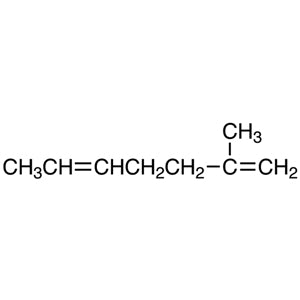
- TCI M0316 6766-54-7 2-Methyl-1,5-heptadiene (cis- and trans- mixture)
- TCI H0551 1541-23-7 1,5-Heptadiene (cis- and trans- mixture)
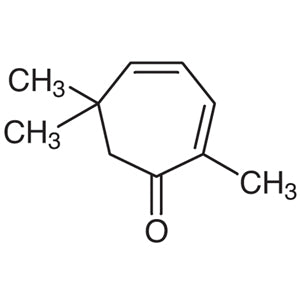
- TCI T1846 503-93-5 2,6,6-Trimethyl-2,4-cycloheptadien-1-one
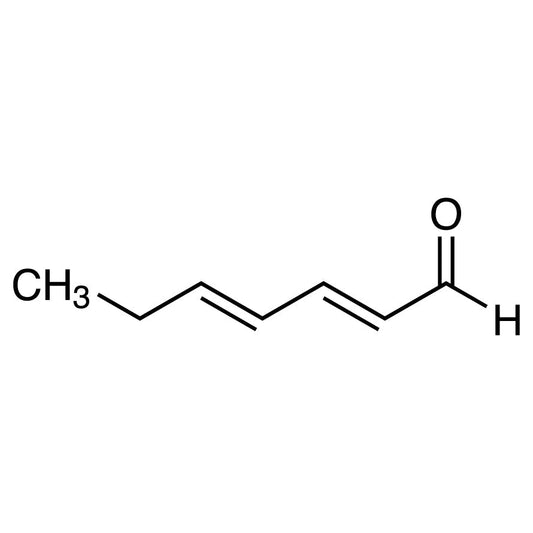
- TCI H0681 4313-03-5 trans,trans-2,4-Heptadienal
- TCI V0130 2444-68-0 9-Vinylanthracene
- TCI V0062 3048-64-4 5-Vinylbicyclo[221]hept-2-ene (stabilized with BHT)
- Organic synthesis is a key application where 1,6-Heptadiene is used to build complex molecular structures through controlled chemical reactions.
- Polymer development benefits from 1,6-Heptadiene due to its ability to form stable and reactive molecular frameworks.
- Aromatic compound synthesis relies on 1,6-Heptadiene for its structural versatility and reactivity in forming aromatic rings.
- Reaction intermediates require 1,6-Heptadiene for its stability and ability to participate in multiple reaction steps.
- Chemical research in Indonesian laboratories uses 1,6-Heptadiene for its role in creating new and specialized chemical compounds.
| Brand | TCI |
|---|---|
| CAS number | 3070-53-9 |
| Molecular formula | — |
| Purity | — |
| Category | Chemistry > Building Blocks > Non-Heterocyclic Building Blocks |
| Pack sizes | — |
| Physical form | — |
| Storage | Store in a cool, dry place away from light and incompatible materials |
1,6-Heptadiene should be stored in a cool, dry place, away from direct sunlight and sources of heat. It is recommended to use sealed containers made of materials compatible with organic solvents to prevent evaporation and contamination. Due to its volatility and reactivity, it should be handled in a well-ventilated laboratory environment. Always wear appropriate personal protective equipment, such as gloves and safety goggles, when working with this compound. Avoid contact with incompatible substances like strong oxidizers or acids. Regularly inspect storage containers for integrity to ensure safe handling and long-term stability.
—
Produk Terkait
-
2-Methyl-1,5-heptadiene(cis-andtrans-mixture) TCI M0316
Regular price Rp 2.254.350,00Regular price -
1,5-Heptadiene(cis-andtrans-mixture) TCI H0551
Regular price Rp 3.658.200,00Regular price -
2,6,6-Trimethyl-2,4-cycloheptadien-1-one TCI T1846
Regular price Rp 2.254.350,00Regular price -
trans,trans-2,4-Heptadienal TCI H0681
Regular price Rp 2.704.800,00Regular price -
9-Vinylanthracene TCI V0130
Regular price From Rp 2.545.200,00Regular price -
5-Vinylbicyclo[221]hept-2-ene(stabilizedwithBHT) TCI V0062
Regular price From Rp 769.650,00Regular price -
1,3,5-Undecatriene(mixtureofisomers) TCI U0062
Regular price From Rp 3.155.250,00Regular price -
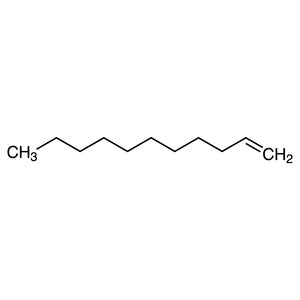
1-Undecene TCI U0052
Regular price From Rp 2.068.500,00Regular price



![3048-64-4 5-Vinylbicyclo[2.2.1]hept-2-ene (stabilized with BHT) - AMI Scientific](http://amiscientific.com/cdn/shop/files/TCI2510V0062.jpg?v=1767145572&width=533)