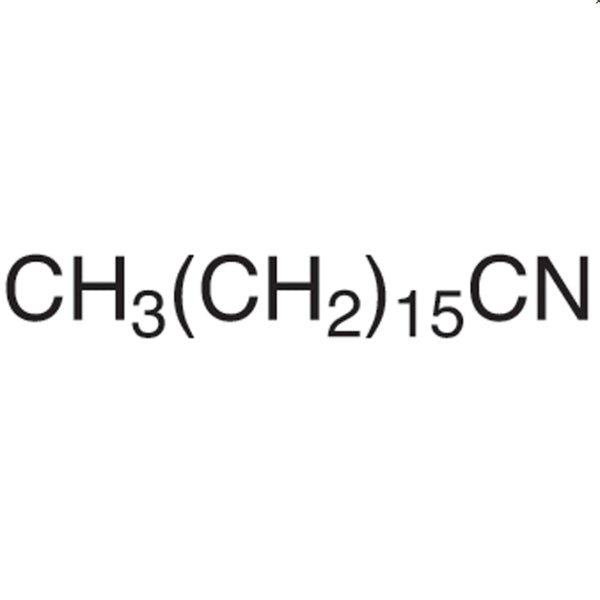
TCI H0568 Heptadecanonitrile is a long-chain aliphatic nitrile built on a seventeen-carbon skeleton, with the cyano group positioned at the terminus of a saturated hydrocarbon chain. As a non-heterocyclic building block, it presents a single high-value functional group at the end of a long lipophilic chain. The cyano group is widely recognised as a gateway to several other compound classes, including primary amines, carboxylic acids, amides and aldehydes, which is why this material is frequently used to construct long-chain molecules bearing directed functionality on one side only.
The most notable characteristic of this compound is the contrast between its strongly non-polar hydrocarbon tail and its polar cyano head, producing a weakly amphiphilic character that is useful in surfactant and materials design. The odd-numbered C17 chain makes it readily distinguishable from naturally occurring fatty acid derivatives in chromatographic analysis, a practical advantage when the compound is employed as a marker. The nitrile group is also relatively stable under many reaction conditions, allowing it to be carried through several synthetic steps before being converted into the desired final functional group.
Laboratories in Indonesia working in organic synthesis, lipid chemistry and materials research typically use this building block where a defined long-chain scaffold with a single reactive terminus is required. It is suited to academic research groups, industrial R&D units and analytical laboratories that prepare chain-length reference materials or intermediates. Supplied by TCI, it fits routine bench-scale preparative work as well as method development activities carried out under standard laboratory conditions.
- Synthesis of long-chain primary amines, where reduction of the terminal cyano group delivers a C17 amine scaffold with the hydrocarbon chain left fully intact.
- Preparation of long-chain carboxylic acids and amides, since nitrile hydrolysis provides a direct and well-established route to these derivatives without rearranging the backbone.
- Surfactant and materials research, where the combination of a polar cyano head and a strongly non-polar tail gives useful weakly amphiphilic behaviour for structure-property studies.
- Chromatographic marker applications, because the odd-numbered C17 chain separates clearly from the even-numbered fatty acid derivatives commonly present in natural sample matrices.
- Multi-step organic synthesis as a protected functional handle, given that the nitrile group tolerates many reaction conditions and can be unmasked at a late stage.
| Brand | TCI |
|---|---|
| CAS number | 5399-02-0 |
| Molecular formula | — |
| Purity | — |
| Category | Chemistry > Building Blocks > Non-Heterocyclic Building Blocks |
| Pack sizes | available in standard TCI research-scale packaging; please confirm the required pack size when ordering |
| Physical form | — |
| Storage | store in a cool, dry place in the tightly closed original container |
- Catalogue number: H0568
Store the container tightly closed in a cool, dry and well-ventilated area, away from direct sunlight, heat sources and incompatible materials such as strong oxidising agents, strong acids and strong bases. Keep the product in its original supplier container or in a chemically compatible sealed vessel that is clearly labelled. Handle in a fume hood using appropriate personal protective equipment, including safety glasses, chemical-resistant gloves and a laboratory coat. Avoid contact with skin and eyes and avoid inhaling vapours. Close the container promptly after use to limit exposure to moisture and air, and dispose of residues and contaminated materials in accordance with applicable local chemical waste regulations and the safety data sheet supplied with the product.
—
Produk Terkait
-
Pentadecanonitrile TCI P0871
Regular price From Rp 664.650,00Regular price -
9-Heptadecanone TCI H0536
Regular price From Rp 4.743.900,00Regular price -
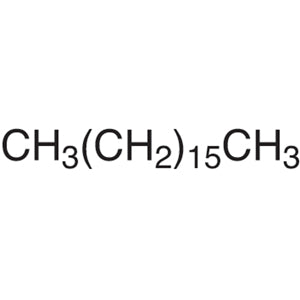
Heptadecane[StandardMaterialforGC] TCI S0289
Regular price Rp 2.227.050,00Regular price -
Heptadecane TCI H0023
Regular price From Rp 769.650,00Regular price -
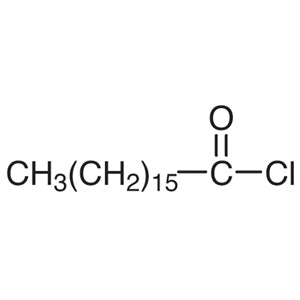
HeptadecanoylChloride TCI H0782
Regular price Rp 5.750.850,00Regular price -
MethylHeptadecanoate TCI H0566
Regular price From Rp 2.704.800,00Regular price -
HeptadecanoicAcid TCI H0019
Regular price From Rp 2.809.800,00Regular price -
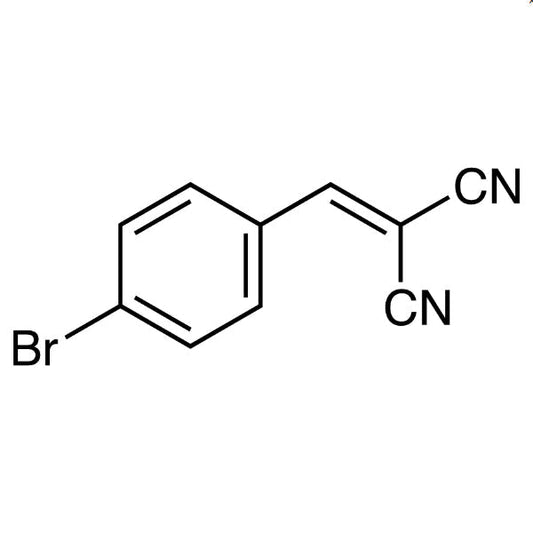
2-(4-Bromobenzylidene)malononitrile TCI B4712
Regular price Rp 4.506.600,00Regular price

![629-78-7 Heptadecane [Standard Material for GC] - AMI Scientific](http://amiscientific.com/cdn/shop/files/TCI2510S0289.jpg?v=1767138617&width=533)