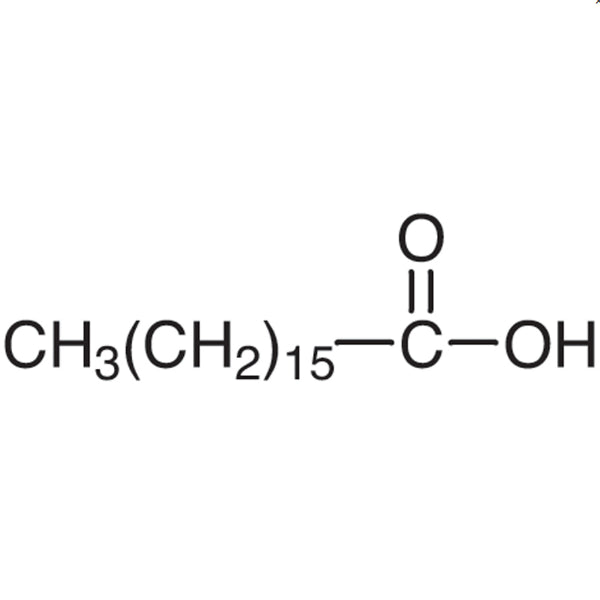
Heptadecanoic Acid (CAS 506-12-7), also known as TCI H0019, is an organic compound widely used in scientific research, particularly in the field of materials science. This material plays a crucial role in the synthesis of colloidal quantum dots (QDs), which are essential components in electronic and optical material research. In laboratory settings, Heptadecanoic Acid functions as a solvent or capping agent during the synthesis of QDs, aiding in the formation of stable crystalline structures and acting as a protective layer. Its presence ensures the quality and performance of the final quantum dot products.
The chemical properties of Heptadecanoic Acid make it a preferred choice for researchers. It exhibits chemical stability and good solubility in organic solvents, which are key factors in maintaining the consistency and reliability of chemical reactions. These characteristics allow it to be used in various synthetic processes where stability and reproducibility are critical. Additionally, its high melting point ensures that it remains stable under laboratory conditions, making it suitable for use in environments that require controlled temperature settings.
In Indonesian laboratories, Heptadecanoic Acid is commonly used in technological and material research, particularly in universities and research institutions. Its application in the development of advanced materials and electronic components highlights its importance in the scientific community. Researchers rely on its consistent performance and reliability to achieve accurate and reproducible results in their experiments.
- Colloidal Quantum Dot Synthesis: Heptadecanoic Acid is used as a capping agent to stabilize the colloidal quantum dots, ensuring their optical and electronic properties remain consistent during synthesis.
- Organic Solvent in Material Processing: Its solubility in organic solvents makes it ideal for dissolving and processing various organic compounds in material science experiments.
- Surface Functionalization of Nanoparticles: The acid helps in modifying the surface of nanoparticles, enhancing their compatibility with other materials and improving their performance in electronic applications.
- Coating and Passivation of Semiconductor Nanoparticles: It acts as a protective layer, preventing unwanted reactions and improving the stability of semiconductor nanoparticles in solution.
- Research in Electronic and Optical Materials: Its role in the synthesis of quantum dots makes it a key component in studies related to optoelectronic devices and advanced material development.
| Brand | TCI |
|---|---|
| CAS number | 506-12-7 |
| Molecular formula | — |
| Purity | — |
| Category | Materials Science > Electronic Materials > Colloidal Quantum Dot (QD) Research Reagents |
| Pack sizes | Available in various sizes as per supplier specifications |
| Physical form | Solid |
| Storage | Store in a cool, dry place away from moisture and direct sunlight |
Heptadecanoic Acid should be stored in a cool, dry place, away from moisture and direct sunlight to maintain its chemical stability. It is recommended to use airtight containers to prevent exposure to air and humidity. Due to its organic nature, it should be handled in a well-ventilated area to avoid inhalation of vapors. While it is not highly reactive, it is advisable to use appropriate personal protective equipment, such as gloves and safety goggles, when handling it. The material should be kept in a secure location to prevent accidental spills or contamination. Proper storage conditions ensure that the compound remains effective and safe for use in laboratory applications.
—
Produk Terkait
-
PentadecanoicAcid TCI P0035
Regular price From Rp 2.094.750,00Regular price -
UndecanoicAcid TCI U0004
Regular price From Rp 955.500,00Regular price -
ValericAcid TCI V0003
Regular price From Rp 610.050,00Regular price -
BehenicAcid TCI B1747
Regular price Rp 3.976.350,00Regular price -
ButyricAcid TCI B0754
Regular price From Rp 477.750,00Regular price -
TridecanoicAcid TCI T0412
Regular price From Rp 3.790.500,00Regular price -
TricosanoicAcid TCI T0402
Regular price From Rp 3.340.050,00Regular price -
LignocericAcid TCI T0076
Regular price From Rp 2.094.750,00Regular price