4'-Hydroxyazobenzene-2-carboxylic Acid is a chemical compound widely used in laboratory settings for the synthesis of complex molecules. As a building block in organic chemistry, it plays a crucial role in the development of new compounds and materials. Its aromatic structure allows it to participate in various chemical reactions, making it a versatile tool for researchers. This compound is particularly valuable in the creation of azo compounds, which are known for their unique chemical and physical properties. Its presence in chemical research helps advance both fundamental and applied studies in the field of organic chemistry.
The compound is favored for its stability and reactivity. It can react with a variety of reagents to form compounds with specific properties, making it adaptable to different synthetic strategies. Its high reactivity ensures that it can be used under a range of reaction conditions, enhancing its utility in laboratory experiments. Additionally, its chemical stability allows for reliable results in controlled environments, which is essential for accurate scientific research. These properties make it a preferred choice for chemists working on complex synthesis projects.
In Indonesian laboratories, this compound is commonly used by chemists and researchers for basic and applied research. It is an essential component in the synthesis of azo-based materials and pigments. Many educational institutions and research organizations in Indonesia incorporate this compound into their programs focused on organic synthesis and material development. Its use supports both academic and industrial research efforts in the country.
TCI brochures (PDF)
- Pre-Weighed Biotinylation Reagents 2025-03-25 · p. 2
- Protein and Biological Sample Preparation Reagents 2026-09-10 · p. 16
Related TCI products
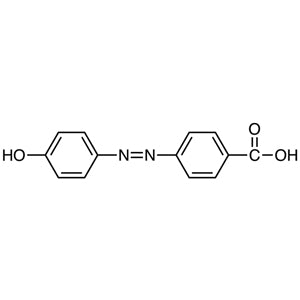
- TCI H1400 2497-38-3 4'-Hydroxyazobenzene-4-carboxylic Acid
- TCI H0327 2623-36-1 Sodium 4-Hydroxyazobenzene-4'-sulfonate
- TCI A0565 103-33-3 Azobenzene
- TCI A5005 2050-14-8 2,2'-Dihydroxyazobenzene [Spectrophotometric and fluorimetric reagent for Al, Mg and other metals]
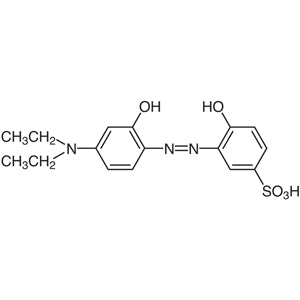
- TCI S0128 1563-01-5 5-Sulfo-4'-diethylamino-2,2'-dihydroxyazobenzene
- TCI M0143 621-90-9 4-(Methylamino)azobenzene
- Azo Compound Synthesis: This compound is ideal for creating azo-based materials due to its aromatic structure and reactivity, enabling the formation of complex organic compounds with specific properties.
- Organic Chemistry Research: It serves as a key building block in the synthesis of new compounds, supporting both fundamental and applied research in organic chemistry.
- Pigment and Dye Development: Its ability to form azo compounds makes it useful in the development of colorants and pigments for industrial and academic applications.
- Material Science Studies: It is frequently used in the synthesis of new materials, contributing to advancements in polymer and composite research.
- Educational Research Programs: It is a valuable tool in academic settings, supporting student and researcher projects focused on chemical synthesis and material innovation.
| Brand | TCI |
|---|---|
| CAS number | 1634-82-8 |
| Molecular formula | — |
| Purity | — |
| Category | Chemistry > Building Blocks > Non-Heterocyclic Building Blocks |
| Pack sizes | Available in various quantities as per supplier specifications |
| Physical form | Solid (as per standard chemical product description) |
| Storage | Store in a cool, dry place away from direct sunlight and moisture |
This compound should be stored in a cool, dry environment to maintain its chemical stability. It is recommended to keep it in a sealed container to prevent exposure to moisture and air. Due to its reactivity, it should be handled with care in a well-ventilated laboratory setting. Avoid contact with incompatible substances to ensure safety during use. Proper personal protective equipment, such as gloves and safety goggles, should be worn when handling this material. Regular monitoring of storage conditions will help preserve its integrity and ensure safe laboratory practices.
—
Produk Terkait
-
4'-Hydroxyazobenzene-4-carboxylicAcid TCI H1400
Regular price Rp 2.782.500,00Regular price -
Sodium4-Hydroxyazobenzene-4'-sulfonate TCI H0327
Regular price From Rp 1.140.300,00Regular price -
Azobenzene TCI A0565
Regular price From Rp 2.411.850,00Regular price -
2,2'-Dihydroxyazobenzene[SpectrophotometricandfluorimetricreagentforAl,Mgandothermetals] TCI A5005
Regular price From Rp 2.625.000,00Regular price -
5-Sulfo-4'-diethylamino-2,2'-dihydroxyazobenzene TCI S0128
Regular price Rp 2.094.750,00Regular price -
4-(Methylamino)azobenzene TCI M0143
Regular price Rp 4.028.850,00Regular price -
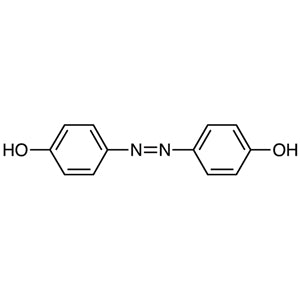
4,4'-Dihydroxyazobenzene TCI D3431
Regular price From Rp 4.849.950,00Regular price -
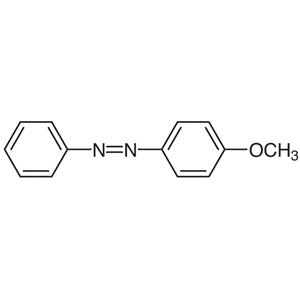
4-Methoxyazobenzene TCI P0142
Regular price Rp 13.461.000,00Regular price


![2050-14-8 2,2'-Dihydroxyazobenzene [Spectrophotometric and fluorimetric reagent for Al, Mg and other metals] - AMI Scientific](http://amiscientific.com/cdn/shop/files/TCI2510A5005.jpg?v=1767084831&width=533)