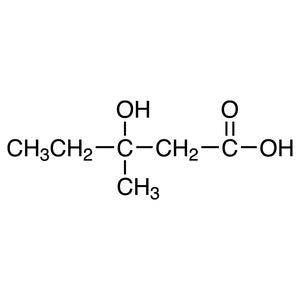
3-Hydroxy-3-methylvaleric Acid (CAS 150-96-9) is a versatile organic compound widely used in laboratory settings for its reactivity and structural simplicity. This compound plays a crucial role in organic synthesis, serving as a building block for the creation of more complex molecules. Its ability to participate in various chemical reactions makes it an essential reagent in both academic and industrial research environments. Due to its chemical properties, it is frequently utilized in the development of heterocyclic compounds, esters, and other functionalized derivatives.
The compound's polar nature allows it to dissolve in a range of organic solvents, including ethylamine and acetone, which enhances its utility in synthetic processes. Its reactivity and compatibility with multiple functional groups make it a preferred choice for chemists seeking to explore diverse reaction pathways. Additionally, its availability in small pack sizes ensures that it is accessible for routine laboratory use, supporting both research and educational applications.
In Indonesian laboratories, 3-Hydroxy-3-methylvaleric Acid is commonly used in pure and applied chemistry research. It is a key component in experiments related to the synthesis of new compounds, drug development, and the study of organic reactivity. Its widespread use across research institutions and universities highlights its importance in advancing chemical knowledge and innovation within the region.
- Organic synthesis applications benefit from its reactivity and structural versatility, enabling the creation of complex molecules.
- Drug development projects often utilize this compound due to its ability to form esters and heterocyclic structures.
- Research into organic reactivity frequently involves this compound as a model for studying functional group interactions.
- Educational institutions use it for teaching synthetic chemistry techniques and reaction mechanisms.
- Industrial research labs employ it in the development of new chemical products and materials.
| Brand | TCI |
|---|---|
| CAS number | 150-96-9 |
| Molecular formula | — |
| Purity | — |
| Category | Chemistry > Building Blocks > Non-Heterocyclic Building Blocks |
| Pack sizes | Available in small quantities suitable for laboratory use |
| Physical form | Solid, crystalline appearance |
| Storage | Store in a cool, dry place away from direct sunlight |
This compound should be stored in a cool, dry environment to maintain its chemical integrity. It is recommended to use airtight containers to prevent moisture absorption and contamination. Due to its polar nature, it is important to handle it with care to avoid exposure to incompatible substances. Laboratory personnel should wear appropriate personal protective equipment when handling the compound. Proper ventilation should be maintained in the workspace to ensure safe handling. The compound is generally stable under normal storage conditions but should be kept away from heat and light sources to preserve its quality.
—
Produk Terkait
-
4-MethylvalericAcid TCI M0750
Regular price Rp 1.565.550,00Regular price -
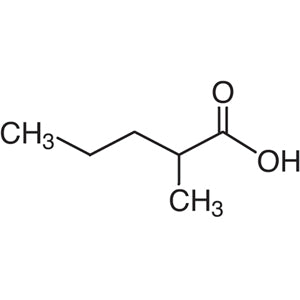
2-MethylvalericAcid TCI M0610
Regular price From Rp 689.850,00Regular price -
3-MethylvalericAcid TCI M0569
Regular price Rp 1.803.900,00Regular price -
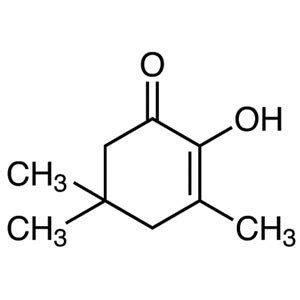
2-Hydroxy-3,5,5-trimethyl-2-cyclohexen-1-one TCI T2723
Regular price Rp 1.273.650,00Regular price -
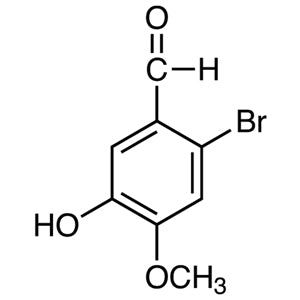
2-Bromo-5-hydroxy-4-methoxybenzaldehyde TCI B4681
Regular price Rp 4.293.450,00Regular price -
4-Bromo-3-hydroxy-2-naphthoicAcid TCI B3229
Regular price From Rp 2.174.550,00Regular price -
7-Bromo-3-hydroxy-2-naphthoicAcid TCI B3180
Regular price From Rp 769.650,00Regular price -
2-Hydroxy-6-methylbenzoicAcid TCI M3737
Regular price From Rp 2.332.050,00Regular price