10,12-Heptacosadiynoic Acid is a chemical compound widely used in synthetic chemistry reactions to construct complex molecular structures. As a building block, it serves as a fundamental component in the synthesis of organic compounds, offering versatility in chemical reactions. This compound is essential in both pure chemical research and industrial applications due to its ability to react with various functional groups. In the laboratory, it plays a crucial role in the development of new compounds with specific properties, making it an indispensable tool for chemists. Its unique molecular structure enables it to participate in a wide range of chemical transformations, contributing to the advancement of chemical research.
The compound’s high reactivity and unique molecular structure, featuring two triple bonds, make it a preferred choice for chemists. These triple bonds provide stability while allowing controlled reactivity, which is essential in synthetic processes. The physical properties of 10,12-Heptacosadiynoic Acid also facilitate its handling and storage under specific conditions, ensuring its effectiveness in various laboratory settings. These characteristics make it a reliable and efficient material for researchers aiming to develop new chemical compounds with targeted applications.
In Indonesian laboratories, 10,12-Heptacosadiynoic Acid is commonly used in organic synthesis research and material development. Its role in creating compounds with specific functional properties makes it a valuable resource for academic and industrial research. It is particularly useful in projects that require precise chemical modifications and controlled reactivity, supporting the growth of chemical innovation in Indonesia.
- Organic synthesis research utilizes 10,12-Heptacosadiynoic Acid for constructing complex molecular structures due to its reactivity and structural versatility.
- Material development projects benefit from its unique triple bond structure, enabling the creation of compounds with specific physical and chemical properties.
- Chemical reaction optimization studies use this compound to test and improve synthetic pathways for enhanced efficiency and yield.
- Academic research in Indonesian universities incorporates it for teaching and experimental purposes, enhancing students' understanding of synthetic chemistry.
- Industrial applications in chemical manufacturing rely on its stability and reactivity for the production of specialized organic compounds.
| Brand | TCI |
|---|---|
| CAS number | 67071-94-7 |
| Molecular formula | — |
| Purity | — |
| Category | Chemistry > Building Blocks > Non-Heterocyclic Building Blocks |
| Pack sizes | Available in various quantities as per standard supplier offerings |
| Physical form | Solid, typically in crystalline or powder form |
| Storage | Store in a cool, dry place away from light and moisture |
10,12-Heptacosadiynoic Acid should be stored in a cool, dry environment to maintain its chemical integrity. It is recommended to use airtight containers to prevent exposure to moisture and air, which may affect its stability. Due to its reactivity, it should be handled with care in a well-ventilated area, ideally under a fume hood. Avoid direct contact with skin and eyes, and use appropriate personal protective equipment when handling. Ensure that storage conditions are consistent to preserve its effectiveness for laboratory use. Proper storage and handling protocols are essential to ensure the compound remains suitable for its intended applications.
—
Produk Terkait
-
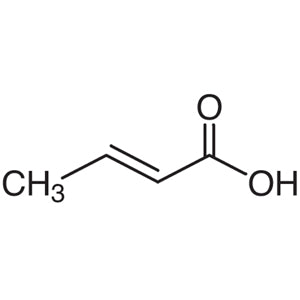
CrotonicAcid TCI C0416
Regular price From Rp 769.650,00Regular price -
ButylCrotonate TCI C0417
Regular price From Rp 530.250,00Regular price -
EthylCrotonate TCI C0418
Regular price From Rp 637.350,00Regular price -
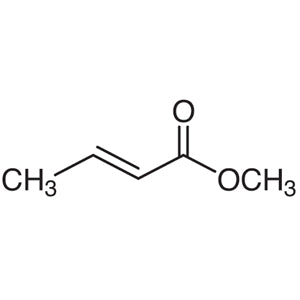
MethylCrotonate TCI C0419
Regular price From Rp 795.900,00Regular price -
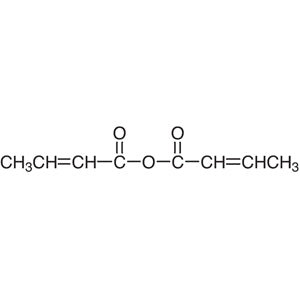
CrotonicAnhydride TCI C0420
Regular price Rp 1.193.850,00Regular price -
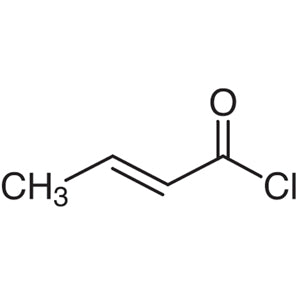
CrotonoylChloride(cis-andtrans-mixture) TCI C0424
Regular price From Rp 795.900,00Regular price -
p-TolylCrotonate TCI C0866
Regular price From Rp 1.115.100,00Regular price -
VinylCrotonate(stabilizedwithMEHQ) TCI C0897
Regular price From Rp 980.700,00Regular price