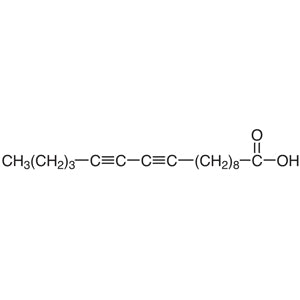
10,12-Heptadecadiynoic Acid is a chemical compound widely used in laboratory settings for the synthesis of complex molecules. This compound plays a critical role in organic chemistry, particularly in the development of heterocyclic compounds and other organic materials. Its unique molecular structure, featuring a long carbon chain and two triple bonds, makes it a versatile building block for various chemical reactions. In research environments, it serves as a foundational material for advanced chemical synthesis processes.
The compound is valued for its stable molecular structure and controlled reactivity, which allow it to participate in a range of chemical reactions, including addition, substitution, and polymerization. These properties make it an ideal choice for chemists seeking reliable and predictable results in their experiments. Its availability in pure form and in small packaging sizes ensures ease of handling and use in laboratory settings, supporting both academic and industrial research.
In Indonesian laboratories, 10,12-Heptadecadiynoic Acid is commonly used in scientific research and educational institutions. It is a key component in the development of new pharmaceutical compounds, the creation of specialized polymers, and various chemical synthesis projects. Its presence in laboratory supplies reflects its importance in advancing chemical research and innovation in the region.
- Synthesis of heterocyclic compounds for pharmaceutical development due to its reactivity and structural versatility.
- Creation of polymers with specific properties for industrial applications because of its ability to participate in polymerization reactions.
- Organic synthesis research in academic institutions for the development of new chemical compounds and materials.
- Educational use in chemistry laboratories to teach advanced synthetic techniques and molecular structure analysis.
- Development of specialty chemicals for niche applications requiring precise molecular design and functional group manipulation.
| Brand | TCI |
|---|---|
| CAS number | 28393-06-8 |
| Molecular formula | — |
| Purity | — |
| Category | Chemistry > Building Blocks > Non-Heterocyclic Building Blocks |
| Pack sizes | Available in small packaging sizes for laboratory use |
| Physical form | Solid, typically in crystalline or powder form |
| Storage | Store in a cool, dry place away from light and moisture |
This compound should be stored in a cool, dry environment, away from direct light and moisture to maintain its stability and purity. It is recommended to use airtight containers to prevent exposure to air and humidity, which could affect its chemical integrity. In laboratory settings, it should be handled with appropriate personal protective equipment, such as gloves and safety goggles, to ensure safe handling. Due to its reactivity, it should be stored separately from incompatible substances to prevent unwanted chemical interactions. Proper labeling of storage containers is essential for safety and traceability. Regular inspection of storage conditions is advised to ensure optimal preservation of the compound’s properties.
—
Produk Terkait
-
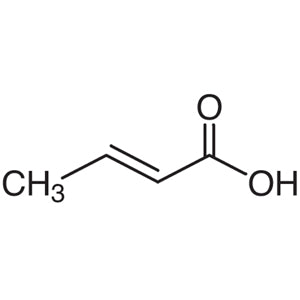
CrotonicAcid TCI C0416
Regular price From Rp 769.650,00Regular price -
ButylCrotonate TCI C0417
Regular price From Rp 530.250,00Regular price -
EthylCrotonate TCI C0418
Regular price From Rp 637.350,00Regular price -
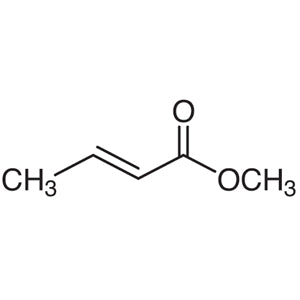
MethylCrotonate TCI C0419
Regular price From Rp 795.900,00Regular price -
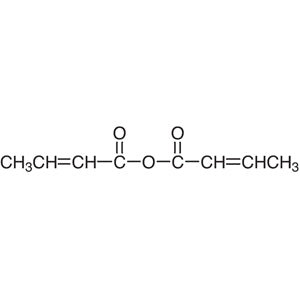
CrotonicAnhydride TCI C0420
Regular price Rp 1.193.850,00Regular price -
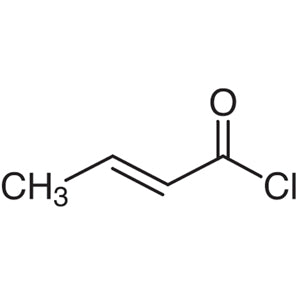
CrotonoylChloride(cis-andtrans-mixture) TCI C0424
Regular price From Rp 795.900,00Regular price -
p-TolylCrotonate TCI C0866
Regular price From Rp 1.115.100,00Regular price -
VinylCrotonate(stabilizedwithMEHQ) TCI C0897
Regular price From Rp 980.700,00Regular price