2-Hydroxy-3-morpholinopropanesulfonic Acid (MES) is a chemical compound widely used as a buffer in biochemical and molecular biology experiments. It plays a crucial role in maintaining a stable pH environment, which is essential for accurate and reproducible results in laboratory research. This buffer is particularly valuable in applications where pH control is critical, such as enzyme reactions, cell culture, and protein analysis. Its ability to resist changes in pH under varying conditions ensures reliable performance in diverse experimental setups.
MES is preferred due to its non-toxic nature, compatibility with biological substrates, and ease of ionization. These properties make it a safe and effective choice for use in a wide range of laboratory applications. Its optimal pH range of 6.5–7.5 aligns well with many biological processes, enhancing its utility in research settings. Additionally, MES is highly soluble in water, which simplifies its preparation and use in various experimental protocols.
In Indonesian laboratories, MES is commonly used in biomedical, pharmaceutical, and biotechnology research. It supports a variety of studies, including drug development, molecular biology experiments, and cellular research. Its stability and compatibility with biological systems make it a popular choice among researchers in Indonesia, contributing to the advancement of scientific studies in the region.
- Enzyme reaction control: MES is ideal for maintaining optimal pH conditions during enzymatic reactions, ensuring enzyme activity and substrate stability.
- Cell culture media preparation: Its buffering capacity supports the pH stability required for cell growth and viability in culture systems.
- Protein analysis and electrophoresis: MES helps maintain a consistent pH environment, which is crucial for accurate protein separation and detection.
- Buffering in PCR reactions: It provides a stable pH environment necessary for DNA amplification, enhancing the efficiency and accuracy of PCR processes.
- Biomedical research applications: MES is used in various studies, including drug testing and biochemical assays, due to its compatibility with biological systems.
| Brand | TCI |
|---|---|
| CAS number | 68399-77-9 |
| Molecular formula | — |
| Purity | — |
| Category | Life Science > Biochemicals and Reagents > Biological Buffers |
| Pack sizes | Available in various quantities as per supplier specifications |
| Physical form | Solid powder |
| Storage | Store in a cool, dry place away from moisture and direct sunlight |
MES should be stored in a cool, dry place, away from moisture and direct sunlight to maintain its chemical integrity. It is recommended to use airtight containers to prevent exposure to humidity, which could affect its performance. Due to its non-toxic nature, handling is generally safe, but standard laboratory precautions should still be followed. Avoid contact with skin and eyes, and ensure proper ventilation when working with concentrated solutions. MES is stable under normal storage conditions and does not require special handling beyond standard chemical safety practices. Always follow established laboratory protocols to ensure safe and effective use.
—
Produk Terkait
-
3-MorpholinopropanesulfonicAcid[Good'sbuffercomponentforbiologicalresearch] TCI M0707
Regular price From Rp 689.850,00Regular price -
3-CyclohexylaminopropanesulfonicAcid[Good'sbuffercomponentforbiologicalresearch] TCI C0921
Regular price From Rp 743.400,00Regular price -
Sodium3-Morpholinopropanesulfonate TCI M0755
Regular price From Rp 1.590.750,00Regular price -
Piperazine-1,4-bis(2-hydroxypropanesulfonicAcid)Dihydrate[Good'sbuffercomponentforbiologicalresearch] TCI P1131
Regular price Rp 1.220.100,00Regular price -
4-(2-Hydroxyethyl)-1-piperazinepropanesulfonicAcid[Good'sbuffercomponentforbiologicalresearch] TCI H0576
Regular price Rp 1.565.550,00Regular price -
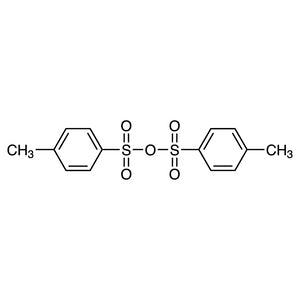
p-ToluenesulfonicAnhydride TCI T1485
Regular price From Rp 1.749.300,00Regular price -
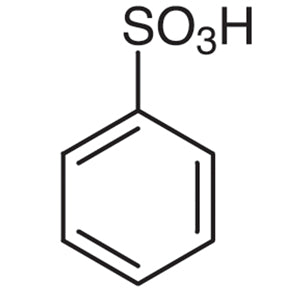
BenzenesulfonicAcidAnhydrous TCI B3408
Regular price Rp 1.565.550,00Regular price -
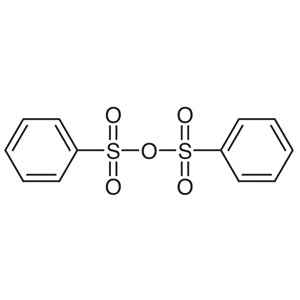
BenzenesulfonicAnhydride TCI B1931
Regular price From Rp 5.062.050,00Regular price
![1132-61-2 3-Morpholinopropanesulfonic Acid [Good's buffer component for biological research] - AMI Scientific](http://amiscientific.com/cdn/shop/files/TCI2510M0707.jpg?v=1767123509&width=533)
![3-Cyclohexylaminopropanesulfonic Acid [Good's buffer component for biological research] (CAS 1135-40-6) - TCI C0921 - AMI Scientific](http://amiscientific.com/cdn/shop/files/TCI2510C0921.jpg?v=1767096014&width=533)

![68189-43-5 Piperazine-1,4-bis(2-hydroxypropanesulfonic Acid) Dihydrate [Good's buffer component for biological research] - AMI Scientific](http://amiscientific.com/cdn/shop/files/TCI2510P1131.jpg?v=1769057375&width=533)
![4-(2-Hydroxyethyl)-1-piperazinepropanesulfonic Acid [Good's buffer component for biological research] (CAS 16052-06-5) - TCI H0576 - AMI Scientific](http://amiscientific.com/cdn/shop/files/TCI2510H0576.jpg?v=1768819037&width=533)