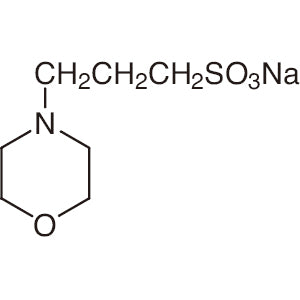
Sodium 3-Morpholinopropanesulfonate (SMP) is a chemical compound widely used as a buffer in biochemical and molecular biology experiments. It plays a crucial role in maintaining a stable pH environment in laboratory solutions, which is essential for accurate and reproducible results. This compound is commonly employed in various analytical and experimental procedures where pH control is critical. Its ability to resist changes in pH under different conditions makes it an indispensable tool for researchers working in life sciences.
SMP is preferred due to its chemical stability and resistance to degradation over time. It is non-corrosive and highly soluble in water, making it easy to use in a variety of experimental setups. These properties ensure that it remains effective even when stored for extended periods. Additionally, its compatibility with a wide range of laboratory reagents and its ability to maintain a consistent buffer capacity make it a reliable choice for both routine and complex experiments.
In Indonesian laboratories, Sodium 3-Morpholinopropanesulfonate is extensively used in biomedical and biotechnology research. It is a key component in experiments requiring precise pH control, such as electrophoresis, cell culture, and protein analysis. Its availability and consistent quality support scientific advancements and ensure that researchers can achieve reliable results in their studies.
Related TCI products
- TCI M0707 1132-61-2 3-Morpholinopropanesulfonic Acid [Good's buffer component for biological research]
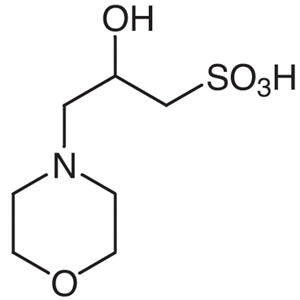
- TCI H0671 68399-77-9 2-Hydroxy-3-morpholinopropanesulfonic Acid
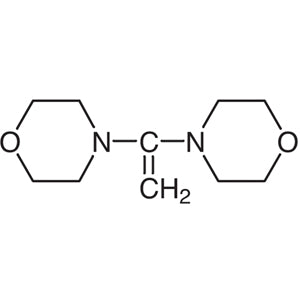
- TCI B1180 14212-87-4 1,1-Bis(morpholino)ethylene
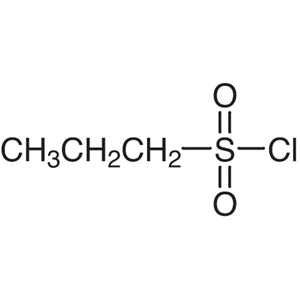
- TCI P0693 10147-36-1 1-Propanesulfonyl Chloride
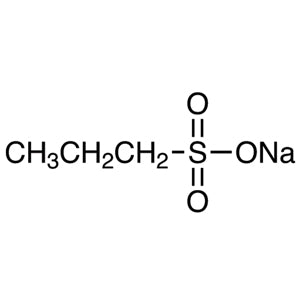
- TCI P0347 14533-63-2 Sodium 1-Propanesulfonate
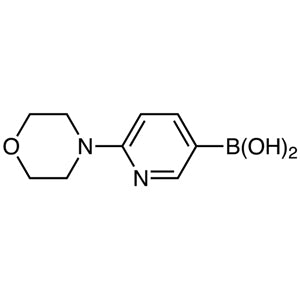
- TCI M2967 904326-93-8 6-(Morpholino)pyridine-3-boronic Acid (contains varying amounts of Anhydride)
- Electrophoresis: SMP is used to create buffer solutions that maintain a stable pH during gel electrophoresis, ensuring accurate separation of nucleic acids and proteins.
- Cell Culture: It helps in maintaining optimal pH levels in cell culture media, promoting cell growth and viability under controlled conditions.
- Protein Analysis: SMP is essential for buffer preparation in techniques like Western blotting and enzyme assays, where pH stability is critical for enzyme activity and protein integrity.
- Biochemical Assays: It provides a consistent pH environment for enzymatic reactions and other biochemical processes, enhancing the reliability of experimental outcomes.
- Molecular Biology Research: SMP is used in buffer solutions for DNA and RNA extraction, amplification, and hybridization, supporting various molecular biology techniques.
| Brand | TCI |
|---|---|
| CAS number | 71119-22-7 |
| Molecular formula | — |
| Purity | — |
| Category | Life Science > Biochemicals and Reagents > Biological Buffers |
| Pack sizes | Available in various sizes as per standard laboratory requirements |
| Physical form | Powder |
| Storage | Store in a cool, dry place away from direct sunlight |
Sodium 3-Morpholinopropanesulfonate should be stored in a cool, dry place away from direct sunlight to maintain its chemical stability. It is recommended to use airtight containers to prevent moisture absorption, which could affect its solubility and buffer capacity. Since it is non-corrosive, it can be safely handled with standard laboratory gloves and safety equipment. Proper labeling of containers is essential to ensure safe handling and prevent cross-contamination. Always follow standard laboratory safety protocols when working with chemical compounds to ensure a safe and efficient research environment.
—
Product Categories
Produk Terkait
-
3-MorpholinopropanesulfonicAcid[Good'sbuffercomponentforbiologicalresearch] TCI M0707
Regular price From Rp 689.850,00Regular price -
2-Hydroxy-3-morpholinopropanesulfonicAcid TCI H0671
Regular price Rp 980.700,00Regular price -
1,1-Bis(morpholino)ethylene TCI B1180
Regular price Rp 4.399.500,00Regular price -
1-PropanesulfonylChloride TCI P0693
Regular price Rp 2.359.350,00Regular price -
Sodium1-Propanesulfonate TCI P0347
Regular price From Rp 1.696.800,00Regular price -
6-(Morpholino)pyridine-3-boronicAcid(containsvaryingamountsofAnhydride) TCI M2967
Regular price Rp 2.332.050,00Regular price -
Ethyl3-(Morpholino)propionate TCI E0784
Regular price From Rp 980.700,00Regular price -
2,4-Dichloro-6-morpholino-1,3,5-triazine TCI D4814
Regular price From Rp 689.850,00Regular price
![1132-61-2 3-Morpholinopropanesulfonic Acid [Good's buffer component for biological research] - AMI Scientific](http://amiscientific.com/cdn/shop/files/TCI2510M0707.jpg?v=1767123509&width=533)