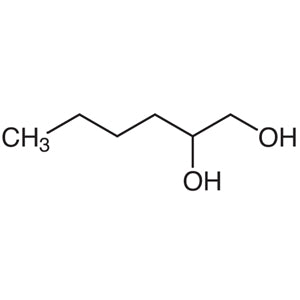
1,2-Hexanediol is an organic compound widely utilized in various chemical reactions within laboratory settings. It is a versatile building block in synthetic chemistry, particularly in the development of complex molecules. Its molecular structure consists of two hydroxyl (-OH) groups positioned at the terminal ends of a six-carbon chain, making it a valuable reagent for multiple chemical transformations. This compound plays a key role in polymer synthesis, ester formation, and cross-linking reactions, offering researchers a reliable and effective tool for their experiments.
The chemical and physical properties of 1,2-Hexanediol make it a preferred choice in both academic and industrial research. It is a clear, colorless liquid with a distinct odor, which facilitates its identification and use in laboratory environments. The presence of two hydroxyl groups allows it to act as an electron donor, participating in reactions such as hydrolysis, esterification, and condensation. Its reactivity and compatibility with a wide range of reagents contribute to its flexibility in experimental design.
In Indonesian laboratories, 1,2-Hexanediol is commonly used in scientific research and the development of chemical products. It is frequently found in research facilities where organic synthesis and polymer chemistry are key areas of study. Its availability and reliability make it a staple in many laboratories, supporting a broad range of chemical investigations and applications.
- Polymer synthesis: 1,2-Hexanediol is ideal for creating polymeric materials due to its diol functionality, enabling cross-linking and chain extension in polymer chains.
- Ester formation: The hydroxyl groups of 1,2-Hexanediol react with carboxylic acids to form esters, making it useful in esterification reactions.
- Cross-linking reactions: Its diol structure allows it to act as a cross-linking agent in the formation of complex molecular structures.
- Organic synthesis: It serves as a building block in the synthesis of various organic compounds, including pharmaceuticals and specialty chemicals.
- Laboratory research: Its versatility and reactivity make it a valuable reagent in diverse chemical experiments and investigations.
| Brand | TCI |
|---|---|
| CAS number | 6920-22-5 |
| Molecular formula | — |
| Purity | — |
| Category | Chemistry > Building Blocks > Non-Heterocyclic Building Blocks |
| Pack sizes | Available in various quantities as per supplier specifications |
| Physical form | Clear, colorless liquid |
| Storage | Store in a cool, dry place away from direct sunlight |
1,2-Hexanediol should be stored in a cool, dry environment, away from direct sunlight and sources of heat. It is recommended to use sealed containers made of glass or high-density polyethylene to prevent contamination and evaporation. Due to its reactivity, it should be handled with care, and appropriate personal protective equipment such as gloves and safety goggles should be worn when working with it. It is important to ensure proper ventilation in the laboratory to minimize exposure to vapors. The compound should not be stored near incompatible materials such as strong oxidizers or acids. Regular monitoring of storage conditions is essential to maintain its stability and effectiveness for laboratory use.
—
Produk Terkait
-
2,5-Hexanediol TCI H0100
Regular price From Rp 1.298.850,00Regular price -
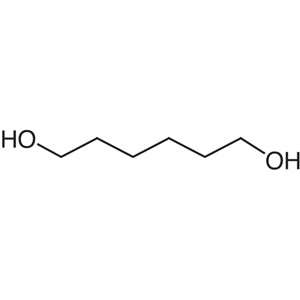
1,6-Hexanediol TCI H0099
Regular price From Rp 477.750,00Regular price -
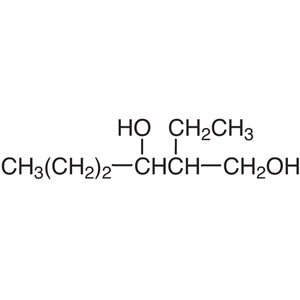
2-Ethyl-1,3-hexanediol(mixtureofdiastereoisomers) TCI E0119
Regular price From Rp 557.550,00Regular price -
2,5-Dimethyl-2,5-hexanediol TCI D1167
Regular price From Rp 505.050,00Regular price -
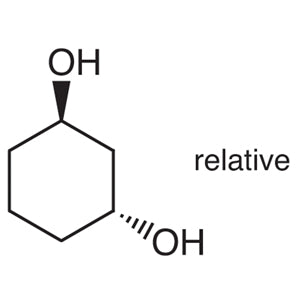
trans-1,3-Cyclohexanediol TCI C2323
Regular price Rp 10.229.100,00Regular price -
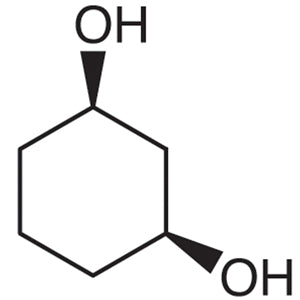
cis-1,3-Cyclohexanediol TCI C2322
Regular price From Rp 6.413.400,00Regular price -
trans-1,4-Cyclohexanediol TCI C2320
Regular price From Rp 3.127.950,00Regular price -
cis-1,4-Cyclohexanediol TCI C2319
Regular price Rp 5.803.350,00Regular price