![4-Methyl-1-acetoxycalixarene [mixture of [6] and [8]] (contains 5-10% Acetone) - AMI Scientific](http://amiscientific.com/cdn/shop/files/TCI2510H0889.jpg?v=1768360684&width=1946)
![4-Methyl-1-acetoxycalixarene [mixture of [6] and [8]] (contains 5-10% Acetone) - AMI Scientific](http://amiscientific.com/cdn/shop/files/TCI2510H0889.jpg?v=1768360684&width=1445)
4-Methyl-1-acetoxycalixarene [mixture of [6] and [8]] is a calixarene-based supramolecular reagent, a family of bowl-shaped macrocycles built from phenol units joined through methylene bridges. This TCI product is supplied as a mixture of the six- and eight-membered ring homologues in which the phenolic hydroxyl groups have been acetylated, and it contains 5–10% acetone as stated in the product name. In the laboratory, calixarenes serve as molecular hosts capable of trapping guest ions or molecules within their cavity, which makes them an important tool for molecular recognition chemistry.
The characteristics that lead researchers to select this material are its well-defined cavity geometry and the presence of acetoxy groups as chemical handles. The macrocyclic cavity provides a confined environment that is selective for the size and shape of the guest species, while the acetoxy groups protect the phenols, modify the solubility of the compound in organic solvents, and can be hydrolysed back to the free phenols when required. Because the product is a mixture of the six- and eight-unit rings, it spans a broader range of cavity sizes and is therefore well suited to early-stage screening when the researcher has not yet established which ring size performs best.
In Indonesian laboratories, reagents of this type are typically used in university and institutional research groups working on supramolecular chemistry, host–guest systems, molecular recognition, and the preparation of functionalised macrocyclic scaffolds. The mixed-homologue format is practical for exploratory synthetic work and method development, where several cavity sizes can be evaluated before a single ring size is committed to. It is handled as a standard research-grade synthetic reagent on the bench rather than as a routine analytical standard.
TCI brochures (PDF)
- Macrocycles for Host-Guest Chemistry 2026-03-24 · p. 3
Related TCI products
- TCI D0958 1321-74-0 Divinylbenzene (m- and p- mixture) (contains Ethylvinylbenzene, Diethylbenzene) (stabilized with TBC)
- TCI C2808 Cyclohexadiene (1,3- and 1,4- mixture) (contains 4-10% Benzene) (stabilized with BHT)
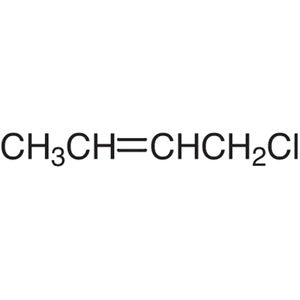
- TCI C1686 591-97-9 Crotyl Chloride (cis- and trans- mixture, contains 38% 3-Chloro-1-butene at maximum)
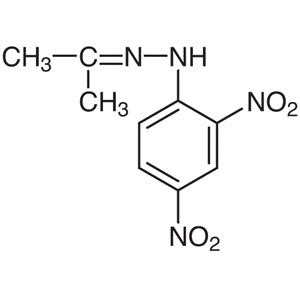
- TCI A1273 1567-89-1 Acetone 2,4-Dinitrophenylhydrazone
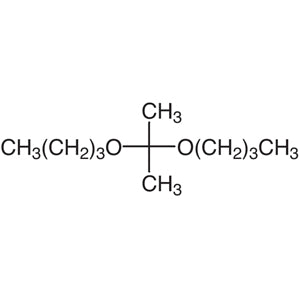
- TCI A0782 141-72-0 Acetone Dibutyl Acetal
- TCI A0058 110-20-3 Acetone Semicarbazone
- Host–guest complexation studies: the defined macrocyclic cavity accommodates guest ions and small molecules, allowing binding behaviour to be probed under controlled laboratory conditions.
- Molecular recognition research: the size- and shape-selective cavity makes this reagent useful for investigating how confined environments discriminate between structurally related guest species.
- Cavity-size screening experiments: because the product combines the six- and eight-membered homologues, it lets researchers survey a wider size range before selecting one ring.
- Synthesis of functionalised calixarene derivatives: the acetoxy groups act as chemical handles that can be hydrolysed back to free phenols for further selective modification.
- Solubility-controlled supramolecular work in organic media: acetylation of the phenolic hydroxyls alters solubility, easing use of the macrocycle in organic solvent systems.
| Brand | TCI |
|---|---|
| CAS number | not stated in the supplied product data |
| Molecular formula | — |
| Purity | — |
| Category | Chemistry > Synthetic Reagents > Chelation/Complexation Compounds |
| Pack sizes | as listed in the TCI catalogue for this product code; please confirm the available packaging when ordering |
| Physical form | — |
| Storage | keep in the tightly closed original container as indicated on the manufacturer's label |
- Product code: H0889
- Composition: mixture of the [6] and [8] ring homologues; contains 5–10% acetone
Store the reagent in its original tightly closed container, in a cool, dry and well-ventilated area away from heat, ignition sources and direct sunlight, following the storage conditions given on the manufacturer's label and Safety Data Sheet. Because the material contains 5–10% acetone, treat it as a solvent-wetted solid: avoid open flames and keep the container closed when not in use to limit solvent loss and vapour release. Handle in a fume hood using gloves, safety glasses and a laboratory coat, weigh out portions promptly to minimise exposure to air and moisture, and use clean, dry chemically compatible glass or polyethylene containers for transfer and temporary storage. Dispose of residues and contaminated consumables through the laboratory's chemical waste procedures.
—
Produk Terkait
-
Divinylbenzene(m-andp-mixture)(containsEthylvinylbenzene,Diethylbenzene)(stabilizedwithTBC) TCI D0958
Regular price From Rp 584.850,00Regular priceRp 408.450,00Sale price From Rp 584.850,00 -
Cyclohexadiene(1,3-and1,4-mixture)(contains4-10%Benzene)(stabilizedwithBHT) TCI C2808
Regular price From Rp 1.829.100,00Regular priceRp 1.278.900,00Sale price From Rp 1.829.100,00 -
CrotylChloride(cis-andtrans-mixture,contains38%3-Chloro-1-buteneatmaximum) TCI C1686
Regular price From Rp 689.850,00Regular priceRp 481.950,00Sale price From Rp 689.850,00 -
Acetone2,4-Dinitrophenylhydrazone TCI A1273
Regular price From Rp 1.140.300,00Regular priceRp 812.700,00Sale price From Rp 1.140.300,00 -
AcetoneDibutylAcetal TCI A0782
Regular price From Rp 1.936.200,00Regular priceRp 1.353.450,00Sale price From Rp 1.936.200,00 -
AcetoneSemicarbazone TCI A0058
Regular price From Rp 1.140.300,00Regular priceRp 5.778.150,00-80% Sale price From Rp 1.140.300,00Sale -
AcetoneSemicarbazone TCI A0058-25G
Regular price Rp 1.140.300,00Regular priceRp 812.700,00Sale price Rp 1.140.300,00 -
Methyl-beta-cyclodextrin(mixtureofseveralMethylated) TCI M1356
Regular price From Rp 1.988.700,00Regular priceRp 1.405.950,00Sale price From Rp 1.988.700,00