![49762-08-5 3-Hydroxy-4-methyl-2(3H)-thiazolethione [for Source of Alkyl Radical] - AMI Scientific](http://amiscientific.com/cdn/shop/files/TCI2510H0902.jpg?v=1767117192&width=1946)
![49762-08-5 3-Hydroxy-4-methyl-2(3H)-thiazolethione [for Source of Alkyl Radical] - AMI Scientific](http://amiscientific.com/cdn/shop/files/TCI2510H0902.jpg?v=1767117192&width=1445)
TCI H0902 3-Hydroxy-4-methyl-2(3H)-thiazolethione is a sulfur–nitrogen heterocyclic compound developed specifically as a source of alkyl radicals in synthetic organic chemistry. Its thiazolethione ring, carrying an N-hydroxy group, makes it a key reagent for forming both thermally activated and photoactivated esters that release alkyl radicals in a controlled manner once triggered. In the laboratory, this compound functions as a radical-reaction mediator, allowing researchers to construct carbon–carbon and carbon–heteroatom bonds through pathways that are difficult to reach with conventional ionic chemistry.
The characteristics that make it a preferred choice are the weak N–O bond and the thiocarbonyl group, which is highly effective at trapping radicals, so that the fragmentation process proceeds smoothly under mild conditions. After a carboxylic acid is esterified with the N-hydroxy group of this compound, irradiation with visible light or gentle heating triggers decarboxylation and releases an alkyl radical ready to be captured by a wide range of acceptors. The neutral reaction conditions and relatively low temperatures keep sensitive functional groups on complex substrates intact, while the controlled radical-chain behaviour also helps suppress unwanted side reactions.
In Indonesian laboratories, this reagent is typically found in university and institutional research groups working on synthetic methodology, natural product chemistry, and medicinal chemistry intermediates. It suits work where a carboxylic acid must be converted into a reactive carbon-centred radical without resorting to strongly acidic or basic media. Because activation requires only visible light or modest heating, it fits well into laboratories equipped with standard photochemical or thermostatted setups rather than specialised high-energy sources.
Related TCI products
- TCI O0270 89025-51-4 1-Oxa-2-oxo-3-thiaindolizinium Chloride [for Source of Alkyl Radical]
- TCI A1470 732304-23-3 4-Amino-6-hydroxy-2-methylpyrimidine Hydrate
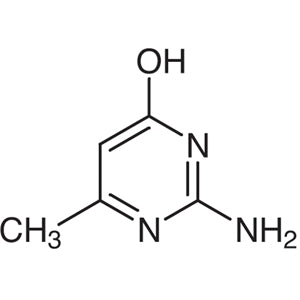
- TCI A1204 3977-29-5 2-Amino-4-hydroxy-6-methylpyrimidine
- TCI A0791 1004-40-6 4-Amino-6-hydroxy-2-mercaptopyrimidine
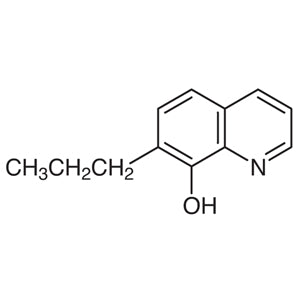
- TCI P0531 58327-60-9 8-Hydroxy-7-propylquinoline
- TCI M2716 5118-06-9 Methyl 3-Hydroxy-2-thiophenecarboxylate
- Radical decarboxylation of carboxylic acids: the N-hydroxy group esterifies the acid directly, and the weak N–O bond then fragments under mild triggering to deliver the corresponding alkyl radical cleanly.
- Carbon–carbon bond formation: the alkyl radicals released can be captured by suitable acceptors, opening routes to bonds that conventional ionic methods struggle to build on complex frameworks.
- Carbon–heteroatom bond construction: the same radical intermediates can be intercepted by heteroatom acceptors, extending the reagent's usefulness beyond purely carbon-centred coupling chemistry in synthesis.
- Photochemical methodology development: activation by visible light irradiation allows researchers to design and optimise photoinduced radical sequences without requiring high-energy ultraviolet equipment or harsh reagents.
- Late-stage functionalisation of sensitive substrates: neutral, relatively low-temperature conditions preserve delicate functional groups, making the reagent suitable for elaborating advanced intermediates safely.
| Brand | TCI |
|---|---|
| CAS number | 49762-08-5 |
| Molecular formula | — |
| Purity | — |
| Category | Chemistry > Building Blocks > Heterocyclic Building Blocks |
| Pack sizes | available in standard TCI catalogue pack sizes; please confirm the packaging option required |
| Physical form | — |
| Storage | store according to the manufacturer's stated conditions on the product label and safety data sheet |
- Product code: H0902
- Function: source of alkyl radical; forms thermally and photochemically active esters
Store the compound in its original tightly closed container, protected from light and away from heat sources, since the reagent is designed to fragment under light irradiation and gentle warming. Keep it in a cool, dry, well-ventilated chemical store, separated from strong oxidising agents. Handle in a fume hood using gloves, safety goggles, and a laboratory coat, and avoid generating dust during weighing. Transfer with clean, dry spatulas to prevent contamination and moisture uptake, reseal immediately after use, and always consult the manufacturer's safety data sheet before handling, disposal, or transport.
—
Produk Terkait
-
1-Oxa-2-oxo-3-thiaindoliziniumChloride[forSourceofAlkylRadical] TCI O0270
Regular price From Rp 1.008.000,00Regular price -
4-Amino-6-hydroxy-2-methylpyrimidineHydrate TCI A1470
Regular price From Rp 743.400,00Regular price -
2-Amino-4-hydroxy-6-methylpyrimidine TCI A1204
Regular price From Rp 928.200,00Regular price -
4-Amino-6-hydroxy-2-mercaptopyrimidine TCI A0791
Regular price Rp 1.140.300,00Regular price -
8-Hydroxy-7-propylquinoline TCI P0531
Regular price From Rp 4.877.250,00Regular price -
Methyl3-Hydroxy-2-thiophenecarboxylate TCI M2716
Regular price From Rp 1.035.300,00Regular price -
4-Hydroxy-1-methyl-2-quinolone TCI M1009
Regular price From Rp 2.411.850,00Regular price -
3-Hydroxy-2-methyl-4-pyrone TCI M0673
Regular price From Rp 928.200,00Regular price
![89025-51-4 1-Oxa-2-oxo-3-thiaindolizinium Chloride [for Source of Alkyl Radical] - AMI Scientific](http://amiscientific.com/cdn/shop/files/TCI2510O0270.jpg?v=1769181126&width=533)