3-Hydroxy-2-methyl-4-pyrone is a chemical compound widely used in the synthesis of heterocyclic compounds. It plays a crucial role in organic chemistry laboratories, where it serves as a building block for creating more complex molecular structures. This compound is particularly important in the development of pharmaceuticals and industrial chemicals due to its ability to participate in various chemical reactions. Its presence in the laboratory allows researchers to explore new synthetic pathways and develop compounds with specific biological activities.
The properties that make 3-Hydroxy-2-methyl-4-pyrone a preferred choice include its stability under certain conditions and its solubility in organic solvents. These characteristics make it versatile for use in different reaction types, such as condensation and substitution reactions. Additionally, its chemical reactivity enables it to be a key component in the synthesis of bioactive molecules. The compound’s compatibility with various laboratory techniques enhances its utility in both academic and industrial research settings.
In Indonesian laboratories, 3-Hydroxy-2-methyl-4-pyrone is commonly used in organic chemistry research, especially in the synthesis of pharmacological compounds and industrial chemicals. Its availability and broad applications make it a go-to material for researchers working on drug development and chemical synthesis projects. The compound supports a wide range of experimental needs, contributing to the advancement of scientific studies in the region.
Related TCI products
- TCI H1019 2029-49-4 3-Hydroxy-2,6-bis(hydroxymethyl)-4-pyrone
- TCI H0550 4940-11-8 2-Ethyl-3-hydroxy-4-pyrone
- TCI D0794 1004-36-0 2,6-Dimethyl-gamma-pyrone
- TCI A1470 732304-23-3 4-Amino-6-hydroxy-2-methylpyrimidine Hydrate
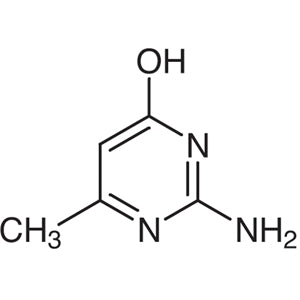
- TCI A1204 3977-29-5 2-Amino-4-hydroxy-6-methylpyrimidine
- TCI A0791 1004-40-6 4-Amino-6-hydroxy-2-mercaptopyrimidine
- Heterocyclic Compound Synthesis: This compound is ideal for creating complex ring structures, which are essential in pharmaceutical research.
- Organic Chemistry Research: It is widely used in academic settings for teaching and experimental work due to its versatility and reactivity.
- Pharmaceutical Development: Its ability to form stable intermediates makes it a valuable tool in the development of new drugs and bioactive agents.
- Industrial Chemical Production: It supports the synthesis of various organic compounds used in manufacturing and chemical industries.
- Bioactive Molecule Creation: Its participation in multiple reaction types allows for the synthesis of compounds with biological activity and therapeutic potential.
| Brand | TCI |
|---|---|
| CAS number | 118-71-8 |
| Molecular formula | — |
| Purity | — |
| Category | Chemistry > Building Blocks > Heterocyclic Building Blocks |
| Pack sizes | Available in various quantities as per standard laboratory supply |
| Physical form | Solid or liquid depending on the specific product variant |
| Storage | Store in a cool, dry place away from direct sunlight |
3-Hydroxy-2-methyl-4-pyrone should be stored in a cool, dry environment to maintain its chemical stability. It is recommended to keep the compound in airtight containers to prevent exposure to moisture and air, which could affect its reactivity. In laboratory settings, it is important to handle the compound with care, using appropriate personal protective equipment such as gloves and goggles. The compound is generally non-toxic but should be handled in a well-ventilated area to minimize any potential exposure. Proper labeling of containers is essential to ensure safe handling and prevent accidental misuse. Following these guidelines ensures the compound remains effective and safe for use in research applications.
—
Produk Terkait
-
3-Hydroxy-2,6-bis(hydroxymethyl)-4-pyrone TCI H1019
Regular price From Rp 1.298.850,00Regular price -
2-Ethyl-3-hydroxy-4-pyrone TCI H0550
Regular price Rp 1.273.650,00Regular price -
2,6-Dimethyl-gamma-pyrone TCI D0794
Regular price Rp 1.881.600,00Regular price -
4-Amino-6-hydroxy-2-methylpyrimidineHydrate TCI A1470
Regular price From Rp 743.400,00Regular price -
2-Amino-4-hydroxy-6-methylpyrimidine TCI A1204
Regular price From Rp 928.200,00Regular price -
4-Amino-6-hydroxy-2-mercaptopyrimidine TCI A0791
Regular price Rp 1.140.300,00Regular price -
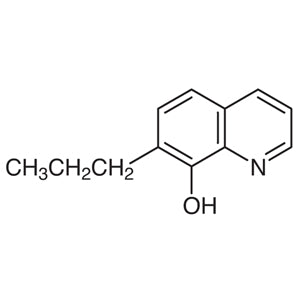
8-Hydroxy-7-propylquinoline TCI P0531
Regular price From Rp 4.877.250,00Regular price -
Methyl3-Hydroxy-2-thiophenecarboxylate TCI M2716
Regular price From Rp 1.035.300,00Regular price