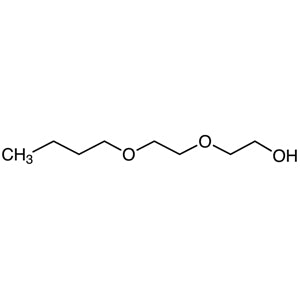
TCI H1043 24342-68-5 Hexaethylene Glycol Monobenzyl Ether is a chemical compound widely used as a building block in laboratory settings. It serves as a versatile reagent in organic synthesis, enabling the construction of complex molecular structures through its unique chemical properties. This compound is commonly found in research laboratories where the development of new chemical compounds and materials is essential. Its role is critical in the synthesis of various organic molecules, making it an indispensable tool for chemists and researchers.
The compound is valued for its chemical stability and controlled reactivity, which allow it to be used in a wide range of chemical reactions without undergoing unwanted side reactions. Its non-heterocyclic nature makes it particularly suitable for applications where molecular stability is a priority. Additionally, its solid form and ease of handling contribute to its popularity among laboratory professionals. These characteristics make it a reliable and efficient choice for both academic and industrial research environments.
In Indonesian laboratories, TCI H1043 24342-68-5 Hexaethylene Glycol Monobenzyl Ether is frequently used in organic chemistry research, especially in the synthesis of complex compounds and molecular modifications. It is also utilized in the development of pharmaceutical products and industrial chemicals. Its reliability and effectiveness in various chemical processes make it a preferred material for researchers aiming to achieve precise and reproducible results.
Related TCI products
- TCI T1997 86259-87-2 Tetraethylene Glycol Monobenzyl Ether
- TCI T1996 55489-58-2 Triethylene Glycol Monobenzyl Ether
- TCI P1435 57671-28-0 Pentaethylene Glycol Monobenzyl Ether
- TCI H0808 23601-40-3 Hexaethylene Glycol Monomethyl Ether
- TCI D3408 2050-25-1 Diethylene Glycol Monobenzyl Ether
- TCI T1373 29681-21-8 Triethylene Glycol Monoisopropyl Ether
- Organic synthesis: This compound is ideal for constructing complex molecular structures due to its stability and controlled reactivity.
- Pharmaceutical development: It is used in the synthesis of drug compounds, contributing to the creation of new therapeutic agents.
- Industrial chemical production: Its non-heterocyclic nature makes it suitable for the production of various industrial chemicals.
- Molecular modification: It enables the alteration of molecular structures, aiding in the design of new chemical compounds.
- Research and development: Its versatility supports a wide range of experimental applications in academic and industrial research settings.
| Brand | TCI |
|---|---|
| CAS number | 24342-68-5 |
| Molecular formula | — |
| Purity | — |
| Category | Chemistry > Building Blocks > Non-Heterocyclic Building Blocks |
| Pack sizes | — |
| Physical form | Solid |
| Storage | Store in a cool, dry place away from direct sunlight |
This compound should be stored in a cool, dry environment to maintain its chemical stability and prevent degradation. It is recommended to keep it in a sealed container to avoid exposure to moisture and air. Due to its solid form, it is typically stored in airtight containers made of materials such as glass or polyethylene. Laboratory personnel should handle it with care, using appropriate personal protective equipment when necessary. It is important to ensure that the storage area is well-ventilated and free from potential contaminants. Proper storage conditions help preserve the compound’s effectiveness and ensure safe usage in laboratory settings.
—
Produk Terkait
-
TetraethyleneGlycolMonobenzylEther TCI T1997
Regular price From Rp 3.312.750,00Regular price -
TriethyleneGlycolMonobenzylEther TCI T1996
Regular price From Rp 3.525.900,00Regular price -
PentaethyleneGlycolMonobenzylEther TCI P1435
Regular price From Rp 4.638.900,00Regular price -
HexaethyleneGlycolMonomethylEther TCI H0808
Regular price From Rp 2.730.000,00Regular price -
DiethyleneGlycolMonobenzylEther TCI D3408
Regular price From Rp 477.750,00Regular price -
TriethyleneGlycolMonoisopropylEther TCI T1373
Regular price Rp 4.479.300,00Regular price -
TetraethyleneGlycolMonomethylEther TCI T1372
Regular price From Rp 1.829.100,00Regular price -
DiethyleneGlycolMonobutylEther TCI B0699
Regular price From Rp 477.750,00Regular price