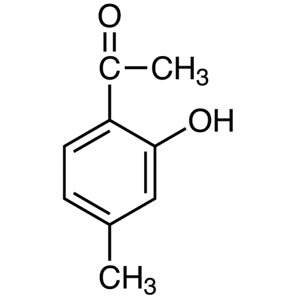
2'-Hydroxy-4'-methylacetophenone is a chemical compound widely used as a building block in organic synthesis. This versatile reagent plays a crucial role in the laboratory by enabling the construction of complex molecular structures through various reaction mechanisms. Its aromatic structure, combined with hydroxyl and methyl substituents, provides a unique set of chemical properties that make it suitable for a range of synthetic applications. It is commonly employed in substitution reactions, coupling reactions, and structural modifications, making it an essential tool for synthetic chemists.
The compound’s reactivity and stability under controlled conditions make it a preferred choice for laboratory use. Its ability to participate in reactions with bases, acids, and organic solvents allows for precise control over chemical transformations. The compound remains stable in certain environments but exhibits reactivity that can be harnessed for targeted synthetic pathways. This balance of stability and reactivity ensures that it is a reliable and effective reagent in modern chemical research.
In Indonesian laboratories, 2'-Hydroxy-4'-methylacetophenone is extensively used in chemical research, pharmaceutical development, and industrial chemical production. Its availability in solid form and ease of handling make it a practical choice for researchers requiring high-quality reagents. Its reliability in various synthetic processes has made it a staple in both academic and industrial settings across Indonesia.
Related TCI products
- TCI H1569 1198-66-9 2'-Hydroxy-3',5'-dimethylacetophenone
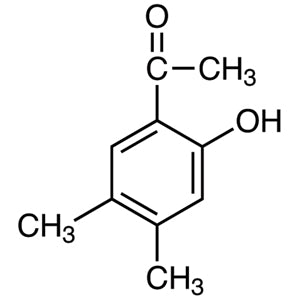
- TCI D4812 36436-65-4 2'-Hydroxy-4',5'-dimethylacetophenone
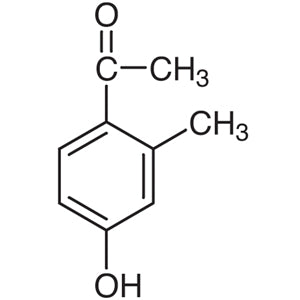
- TCI H1124 875-59-2 4'-Hydroxy-2'-methylacetophenone
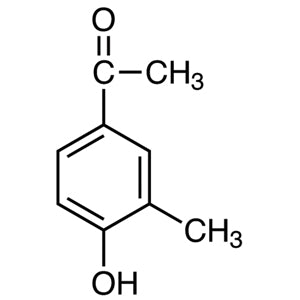
- TCI H0791 876-02-8 4'-Hydroxy-3'-methylacetophenone
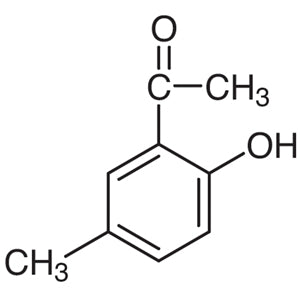
- TCI H0790 1450-72-2 2'-Hydroxy-5'-methylacetophenone
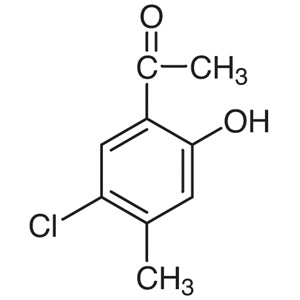
- TCI C1629 28480-70-8 5'-Chloro-2'-hydroxy-4'-methylacetophenone
- Organic synthesis applications benefit from this compound's reactivity and structural versatility, enabling the creation of complex molecules with high efficiency.
- Pharmaceutical research utilizes its properties for the development of new drugs, as it can participate in key synthetic steps in drug molecule construction.
- Industrial chemical production relies on its stability and reactivity to produce a wide range of chemical intermediates and final products.
- Structural modification experiments take advantage of its ability to undergo substitution and coupling reactions, allowing for the design of novel compounds.
- Analytical chemistry applications use it as a standard or reagent in various qualitative and quantitative analyses due to its predictable chemical behavior.
| Brand | TCI |
|---|---|
| CAS number | 6921-64-8 |
| Molecular formula | — |
| Purity | — |
| Category | Chemistry > Building Blocks > Non-Heterocyclic Building Blocks |
| Pack sizes | Available in various quantities as per standard laboratory supply |
| Physical form | Solid |
| Storage | Store in a cool, dry place away from direct sunlight and moisture |
This compound should be stored in a cool, dry environment to maintain its chemical integrity and prevent degradation. It is recommended to use airtight containers to protect it from moisture and air exposure. Due to its reactivity, it should be handled with appropriate personal protective equipment, such as gloves and safety goggles, to ensure laboratory safety. Avoid contact with strong acids, bases, or organic solvents to prevent unwanted reactions. Proper ventilation is essential when working with this compound to minimize inhalation risks. Its solid form makes it easy to handle, but care should be taken to prevent contamination and ensure safe usage in all laboratory settings.
—
Produk Terkait
-
2'-Hydroxy-3',5'-dimethylacetophenone TCI H1569
Regular price From Rp 848.400,00Regular price -
2'-Hydroxy-4',5'-dimethylacetophenone TCI D4812
Regular price From Rp 795.900,00Regular price -
4'-Hydroxy-2'-methylacetophenone TCI H1124
Regular price From Rp 1.298.850,00Regular price -
4'-Hydroxy-3'-methylacetophenone TCI H0791
Regular price From Rp 689.850,00Regular price -
2'-Hydroxy-5'-methylacetophenone TCI H0790
Regular price From Rp 1.035.300,00Regular price -
5'-Chloro-2'-hydroxy-4'-methylacetophenone TCI C1629
Regular price From Rp 717.150,00Regular price -
2'-Hydroxy-4',6'-dimethoxy-2-phenylacetophenone TCI H1577
Regular price From Rp 1.326.150,00Regular price -
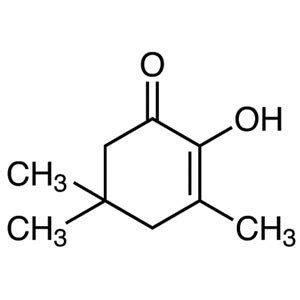
2-Hydroxy-3,5,5-trimethyl-2-cyclohexen-1-one TCI T2723
Regular price Rp 1.273.650,00Regular price