4'-Hydroxy-3'-methylacetophenone is a chemical compound widely used as a building block in the synthesis of complex molecules. It plays a crucial role in organic chemistry laboratories, particularly in the development of aromatic and heterocyclic compounds. Its versatility makes it an essential component in various synthetic pathways, supporting the creation of pharmaceuticals, industrial chemicals, and other organic substances. This compound is valued for its ability to participate in multiple reaction types, contributing to the flexibility of synthetic strategies in research settings.
The compound's simple yet adaptable structure allows it to react efficiently with a range of reagents under different chemical conditions. Its good solubility in organic solvents facilitates easy handling and integration into chemical processes. These properties make it a preferred choice for researchers seeking reliable and effective starting materials for complex molecule synthesis. The ease of use and predictable behavior in laboratory conditions further enhance its appeal in both academic and industrial research environments.
In Indonesian laboratories, 4'-Hydroxy-3'-methylacetophenone is commonly used by researchers and students in the fields of organic chemistry, pharmacy, and materials science. Its availability and stability make it a relevant and practical choice for various research and development activities. The compound's applications are broad, supporting both fundamental research and applied projects in chemical synthesis. Its consistent performance ensures it remains a key material in the chemical toolkit of Indonesian scientific institutions.
Related TCI products
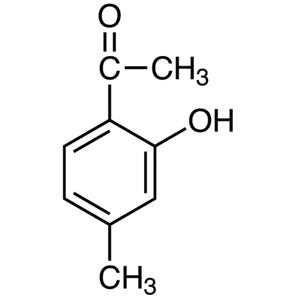
- TCI H1530 6921-64-8 2'-Hydroxy-4'-methylacetophenone
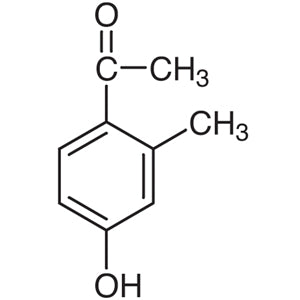
- TCI H1124 875-59-2 4'-Hydroxy-2'-methylacetophenone
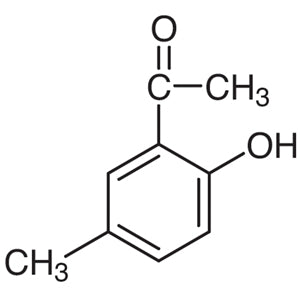
- TCI H0790 1450-72-2 2'-Hydroxy-5'-methylacetophenone
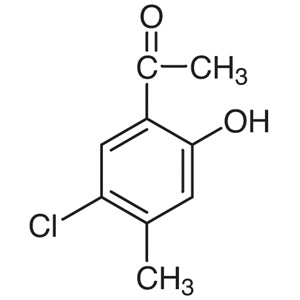
- TCI C1629 28480-70-8 5'-Chloro-2'-hydroxy-4'-methylacetophenone
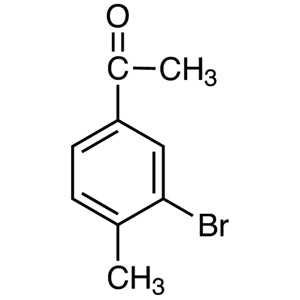
- TCI B4758 40180-80-1 3'-Bromo-4'-methylacetophenone
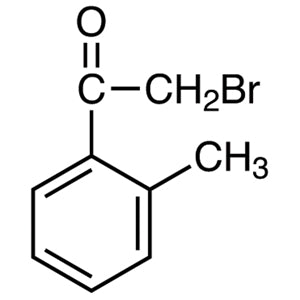
- TCI B4750 51012-65-8 2-Bromo-2'-methylacetophenone
- Organic synthesis is a key application where 4'-Hydroxy-3'-methylacetophenone is used to build complex molecular structures due to its reactivity and structural versatility.
- Pharmaceutical research benefits from this compound as it serves as a precursor in the development of new drugs and therapeutic agents.
- Industrial chemical production utilizes this material for the synthesis of various organic compounds used in manufacturing processes.
- Material science applications involve using this compound to create new polymers and functional materials with specific chemical properties.
- Academic research in chemistry relies on this compound for teaching and experimental purposes, supporting both undergraduate and graduate studies.
| Brand | TCI |
|---|---|
| CAS number | 876-02-8 |
| Molecular formula | — |
| Purity | — |
| Category | Chemistry > Building Blocks > Non-Heterocyclic Building Blocks |
| Pack sizes | Available in various quantities as per supplier specifications |
| Physical form | Solid or liquid, depending on the specific product variant |
| Storage | Store in a cool, dry place away from direct sunlight and moisture |
This compound should be stored in a cool, dry environment to maintain its stability and prevent degradation. It is recommended to use airtight containers to protect it from moisture and air exposure. Due to its chemical nature, it should be handled in a well-ventilated area to minimize inhalation risks. Laboratory personnel should wear appropriate personal protective equipment, such as gloves and safety goggles, when working with this material. Avoid direct contact with skin and eyes, and ensure proper disposal procedures are followed to comply with safety regulations. Proper storage and handling practices help ensure the compound remains effective and safe for use in laboratory settings.
—
Produk Terkait
-
2'-Hydroxy-4'-methylacetophenone TCI H1530
Regular price Rp 2.571.450,00Regular price -
4'-Hydroxy-2'-methylacetophenone TCI H1124
Regular price From Rp 1.298.850,00Regular price -
2'-Hydroxy-5'-methylacetophenone TCI H0790
Regular price From Rp 1.035.300,00Regular price -
5'-Chloro-2'-hydroxy-4'-methylacetophenone TCI C1629
Regular price From Rp 717.150,00Regular price -
3'-Bromo-4'-methylacetophenone TCI B4758
Regular price From Rp 637.350,00Regular price -
2-Bromo-2'-methylacetophenone TCI B4750
Regular price From Rp 848.400,00Regular price -
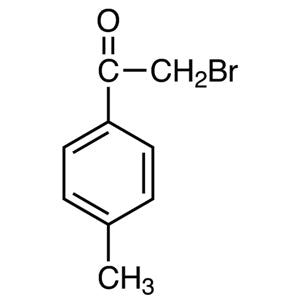
2-Bromo-4'-methylacetophenone TCI B2107
Regular price From Rp 1.220.100,00Regular price -
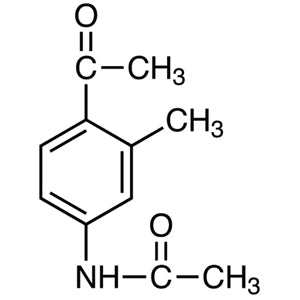
4'-Acetamido-2'-methylacetophenone TCI A2767
Regular price From Rp 1.140.300,00Regular price