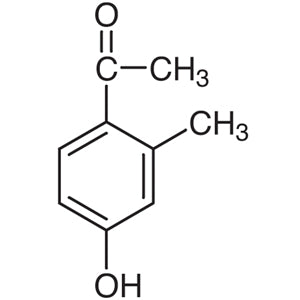
4'-Hydroxy-2'-methylacetophenone is a chemical compound widely used as a building block in the synthesis of complex organic molecules. Its versatility makes it a valuable tool in laboratory settings where the creation of new molecular structures is required. This compound is commonly employed in various chemical reactions, including Friedel-Crafts, substitution, and condensation reactions, due to its ability to participate in multiple reaction pathways. Its role in organic synthesis is critical for the development of pharmaceuticals, materials, and industrial compounds.
The compound's stable molecular structure and controlled reactivity make it a preferred choice for researchers. It exhibits polar characteristics, allowing it to dissolve in organic solvents such as ethyl acetate and chloroform. This solubility facilitates its use in a wide range of synthetic procedures. Additionally, its ability to form bonds with various functional groups enhances its utility in flexible and reactive synthesis strategies. These properties contribute to its popularity among chemists working in both academic and industrial environments.
In Indonesian laboratories, 4'-Hydroxy-2'-methylacetophenone is frequently utilized by chemists and young scientists to develop new compounds with applications in pharmaceuticals, materials science, and industry. Its availability in solid form and ease of use make it a practical and relevant choice for research needs. The compound's reliability and consistent performance support its widespread use in chemical research across various fields.
Related TCI products
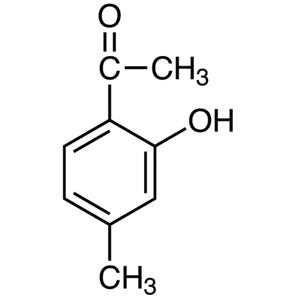
- TCI H1530 6921-64-8 2'-Hydroxy-4'-methylacetophenone
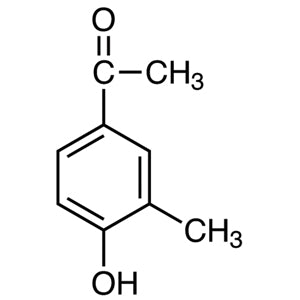
- TCI H0791 876-02-8 4'-Hydroxy-3'-methylacetophenone
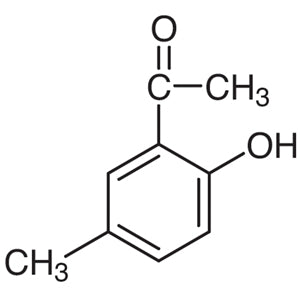
- TCI H0790 1450-72-2 2'-Hydroxy-5'-methylacetophenone
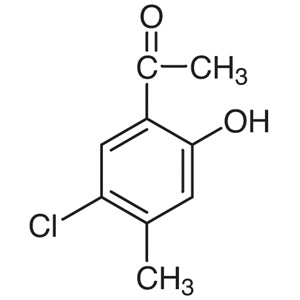
- TCI C1629 28480-70-8 5'-Chloro-2'-hydroxy-4'-methylacetophenone
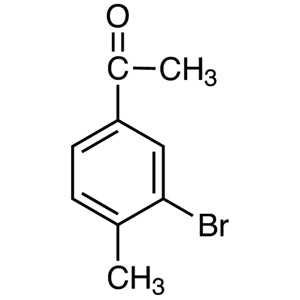
- TCI B4758 40180-80-1 3'-Bromo-4'-methylacetophenone
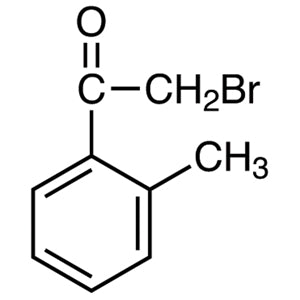
- TCI B4750 51012-65-8 2-Bromo-2'-methylacetophenone
- Organic synthesis: This compound is ideal for building complex molecular structures due to its reactivity and compatibility with various functional groups.
- Pharmaceutical research: It is used in the development of new drugs as a key intermediate in the synthesis of bioactive compounds.
- Material science: Its chemical properties make it suitable for creating new materials with specific functional characteristics.
- Industrial chemistry: It is employed in the production of specialty chemicals and intermediates for industrial applications.
- Academic research: It supports teaching and research activities in chemical laboratories, providing students with hands-on experience in synthetic techniques.
| Brand | TCI |
|---|---|
| CAS number | 875-59-2 |
| Molecular formula | — |
| Purity | — |
| Category | Chemistry > Building Blocks > Non-Heterocyclic Building Blocks |
| Pack sizes | Available in various quantities as per standard laboratory supply |
| Physical form | Solid |
| Storage | Store in a cool, dry place away from direct light and moisture |
This compound should be stored in a cool, dry place, away from direct sunlight and moisture. It is recommended to use airtight containers to prevent exposure to air and humidity. Due to its polar nature, it is advisable to handle it in a well-ventilated area to minimize inhalation risks. The compound is generally stable under normal laboratory conditions but should be kept away from incompatible substances such as strong oxidizing agents. Proper personal protective equipment, including gloves and safety goggles, should be worn when handling this material to ensure safety in the laboratory environment.
—
Produk Terkait
-
2'-Hydroxy-4'-methylacetophenone TCI H1530
Regular price Rp 2.571.450,00Regular price -
4'-Hydroxy-3'-methylacetophenone TCI H0791
Regular price From Rp 689.850,00Regular price -
2'-Hydroxy-5'-methylacetophenone TCI H0790
Regular price From Rp 1.035.300,00Regular price -
5'-Chloro-2'-hydroxy-4'-methylacetophenone TCI C1629
Regular price From Rp 717.150,00Regular price -
3'-Bromo-4'-methylacetophenone TCI B4758
Regular price From Rp 637.350,00Regular price -
2-Bromo-2'-methylacetophenone TCI B4750
Regular price From Rp 848.400,00Regular price -
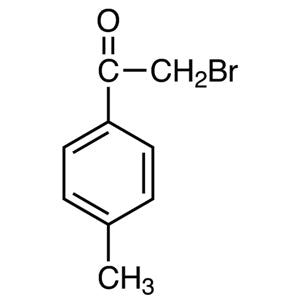
2-Bromo-4'-methylacetophenone TCI B2107
Regular price From Rp 1.220.100,00Regular price -
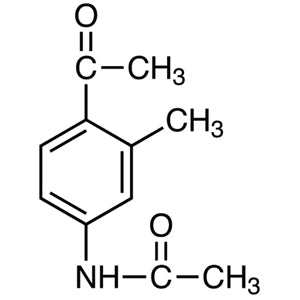
4'-Acetamido-2'-methylacetophenone TCI A2767
Regular price From Rp 1.140.300,00Regular price