1-Hydroxycyclopropanecarboxylic Acid is a chemical compound widely used in synthetic laboratory reactions. It serves as a key building block in the development of complex organic molecules, particularly in the synthesis of heterocyclic compounds and cyclic structures. This compound is valued for its unique molecular structure, which combines a cyclopropane ring with a carboxylic acid group and a hydroxyl group. Its versatility makes it an essential tool for chemists seeking to create new compounds with specific functional properties.
The high reactivity of 1-Hydroxycyclopropanecarboxylic Acid is due to its strained cyclopropane ring, which makes it prone to undergoing various chemical reactions such as addition, substitution, and ring-opening. This reactivity allows it to participate in a wide range of synthetic pathways, making it a preferred choice for researchers working on complex organic synthesis. Additionally, its stability under controlled conditions ensures that it remains effective and safe for use in laboratory settings.
In Indonesian laboratories, 1-Hydroxycyclopropanecarboxylic Acid is commonly used in organic synthesis and the development of new chemical compounds. Its role in creating complex molecular structures makes it an important component in both academic and industrial research. Researchers in Indonesia rely on this compound for its reliability and effectiveness in various chemical processes, contributing to advancements in chemical science and technology.
Related TCI products
- TCI B3138 88950-64-5 1-[(tert-Butoxycarbonyl)amino]cyclopropanecarboxylic Acid
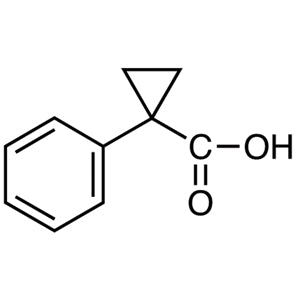
- TCI P2324 6120-95-2 1-Phenyl-1-cyclopropanecarboxylic Acid
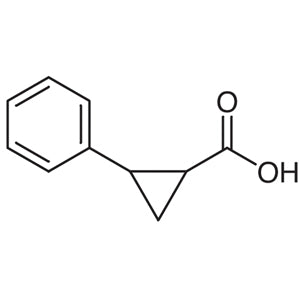
- TCI P0750 939-90-2 trans-2-Phenyl-1-cyclopropanecarboxylic Acid
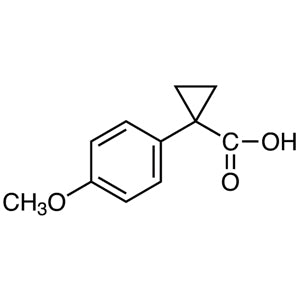
- TCI M2837 16728-01-1 1-(4-Methoxyphenyl)-1-cyclopropanecarboxylic Acid
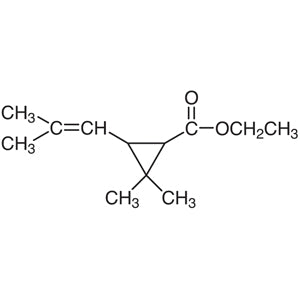
- TCI D2112 97-41-6 Ethyl 2,2-Dimethyl-3-(2-methyl-1-propenyl)cyclopropane-1-carboxylate
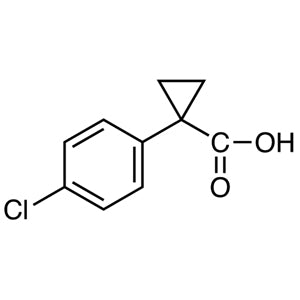
- TCI C2954 72934-37-3 1-(4-Chlorophenyl)-1-cyclopropanecarboxylic Acid
- Organic synthesis: This compound is ideal for creating complex organic molecules due to its reactivity and structural versatility.
- Heterocyclic compound development: Its unique structure supports the synthesis of heterocyclic compounds, which are essential in pharmaceutical and material sciences.
- Cyclic structure formation: The strained cyclopropane ring enables the formation of various cyclic structures, making it suitable for advanced chemical research.
- Reaction intermediates: It is frequently used as an intermediate in multi-step synthetic reactions, providing a stable and reactive starting point.
- Functional group modification: The presence of both hydroxyl and carboxylic acid groups allows for diverse functional group transformations in synthetic pathways.
| Brand | TCI |
|---|---|
| CAS number | 17994-25-1 |
| Molecular formula | — |
| Purity | — |
| Category | Chemistry > Building Blocks > Non-Heterocyclic Building Blocks |
| Pack sizes | Available in various quantities as per supplier specifications |
| Physical form | Solid or liquid depending on the specific product variant |
| Storage | Store in a cool, dry place away from direct sunlight |
This compound should be stored in a cool, dry environment to maintain its stability and reactivity. It is recommended to use airtight containers to prevent exposure to moisture and air, which could affect its chemical integrity. Due to its reactivity, it should be handled with care, using appropriate personal protective equipment such as gloves and safety goggles. In laboratory settings, it is important to ensure proper ventilation when working with this compound to minimize any potential risks. Always follow standard safety protocols when handling reactive chemicals to ensure a safe working environment.
—
Produk Terkait
-
1-[(tert-Butoxycarbonyl)amino]cyclopropanecarboxylicAcid TCI B3138
Regular price From Rp 3.155.250,00Regular price -
1-Phenyl-1-cyclopropanecarboxylicAcid TCI P2324
Regular price Rp 1.565.550,00Regular price -
trans-2-Phenyl-1-cyclopropanecarboxylicAcid TCI P0750
Regular price From Rp 1.908.900,00Regular price -
1-(4-Methoxyphenyl)-1-cyclopropanecarboxylicAcid TCI M2837
Regular price Rp 4.028.850,00Regular price -
Ethyl2,2-Dimethyl-3-(2-methyl-1-propenyl)cyclopropane-1-carboxylate TCI D2112
Regular price From Rp 1.298.850,00Regular price -
1-(4-Chlorophenyl)-1-cyclopropanecarboxylicAcid TCI C2954
Regular price From Rp 2.068.500,00Regular price -
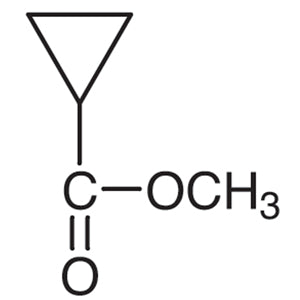
MethylCyclopropanecarboxylate TCI C1607
Regular price From Rp 743.400,00Regular price -
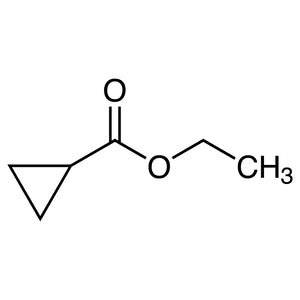
EthylCyclopropanecarboxylate TCI C1060
Regular price Rp 1.008.000,00Regular price
![88950-64-5 1-[(tert-Butoxycarbonyl)amino]cyclopropanecarboxylic Acid - AMI Scientific](http://amiscientific.com/cdn/shop/files/TCI2510B3138_3da4dad5-c988-4e8e-86d8-9751f23eec24.jpg?v=1767431495&width=533)