TCI H1766, with CAS number 33530-51-7, is an anti-1,2,2,3,4,4-hexamethylphosphete oxide compound used in various chemical reactions, particularly in catalysis and organic chemistry. As an organocatalyst, it plays a crucial role in accelerating chemical reactions without participating in the final chemical transformation. This compound is widely utilized in laboratories for its ability to direct reaction pathways with precision and control. Its presence in research settings helps scientists achieve higher efficiency and reproducibility in their experiments.
The compound's stability and controlled reactivity make it a preferred choice for applications requiring high precision and reliability. Its molecular structure, featuring a phosphorus-based functional group, contributes to its reactivity and specificity. These properties allow it to act as a selective catalyst in complex chemical processes. The compound's ability to maintain its integrity under various reaction conditions ensures consistent performance, making it a trusted material in both academic and industrial research environments.
In Indonesian laboratories, this compound is commonly used in organic chemistry and catalysis research. It is a key component in the development of new chemical products and in the synthesis of complex organic molecules. Many research institutions and universities rely on this material for experiments that demand high-efficiency catalysts. Its versatility and effectiveness make it a staple in chemical laboratories across Indonesia.
TCI brochures (PDF)
- Phospholene Oxide Organocatalyst for Isocyanate Transformation Reactions 2024-12-03 · p. 1
- Organocatalyst for Coupling Reactions by Activation of Nitro Group 2024-12-20 · p. 1
Related TCI products
- TCI M0705 707-61-9 3-Methyl-1-phenyl-2-phospholene 1-Oxide
- TCI H1278 828-26-2 2,2,4,4,6,6-Hexamethyl-1,3,5-trithiane
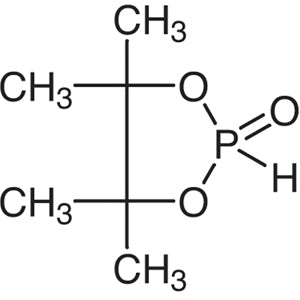
- TCI T2645 16352-18-4 4,4,5,5-Tetramethyl-1,3,2-dioxaphospholane 2-Oxide
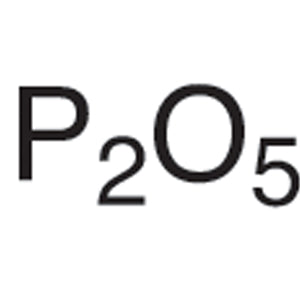
- TCI P1746 1314-56-3 Phosphorus(V) Oxide
- TCI D3846 854929-38-7 1,3-Di-tert-butyl-1,3,2-diazaphospholidine 2-Oxide
- TCI B1814 143-23-7 Bis(hexamethylene)triamine
- Organic synthesis reactions benefit from this compound's ability to direct reaction pathways with high specificity, enhancing yield and purity of target compounds.
- Catalytic asymmetric reactions utilize its chiral properties to achieve enantioselectivity, making it ideal for pharmaceutical and fine chemical applications.
- Green chemistry initiatives leverage its low toxicity and reusability, aligning with sustainable and environmentally friendly laboratory practices.
- Polymerization processes benefit from its role in controlling reaction kinetics, enabling the production of polymers with desired structural properties.
- Analytical chemistry applications use it as a reagent for functional group modification, offering precise control over molecular transformations.
From the TCI brochure
- C-N cross-coupling
- N-N bond formation
| Brand | TCI |
|---|---|
| CAS number | 33530-51-7 |
| Molecular formula | — |
| Purity | — |
| Category | Chemistry > Catalysis and Inorganic Chemistry > Organocatalysts [Catalysis] |
| Pack sizes | — |
| Physical form | — |
| Storage | Store in a cool, dry place away from moisture and direct sunlight |
This compound should be stored in a cool, dry environment, away from moisture and direct sunlight to maintain its stability and reactivity. It is recommended to use airtight containers made of materials that are chemically inert, such as glass or high-density polyethylene, to prevent contamination and degradation. In laboratory settings, it is important to handle the compound with appropriate personal protective equipment, including gloves and safety goggles, to ensure safety during use. Proper ventilation should be maintained when working with this material to minimize exposure. Due to its chemical nature, it should be kept away from incompatible substances to prevent any unwanted reactions. Regular inspection of storage conditions is advised to ensure the material remains in optimal condition for use.
References cited in the TCI brochure
- Gen Li. PIII/PV═O-Catalyzed Intermolecular N–N Bond Formation: Cross-Selective Reductive Coupling of Nitroarenes and Anilines Journal of the American Chemical Society, 2021. doi:10.1021/jacs.1c07272
- Gen Li. An Improved PIII/PV═O-Catalyzed Reductive C–N Coupling of Nitroaromatics and Boronic Acids by Mechanistic Differentiation of Rate- and Product-Determining Steps Journal of the American Chemical Society, 2020. doi:10.1021/jacs.0c01666
Produk Terkait
-
3-Methyl-1-phenyl-2-phospholene1-Oxide TCI M0705
Regular price From Rp 1.483.650,00Regular priceRp 1.053.150,00Sale price From Rp 1.483.650,00 -
2,2,4,4,6,6-Hexamethyl-1,3,5-trithiane TCI H1278
Regular price Rp 1.590.750,00Regular priceRp 1.127.700,00Sale price Rp 1.590.750,00 -
4,4,5,5-Tetramethyl-1,3,2-dioxaphospholane2-Oxide TCI T2645
Regular price From Rp 2.969.400,00Regular priceRp 2.091.600,00Sale price From Rp 2.969.400,00 -
Phosphorus(V)Oxide TCI P1746
Regular price Rp 557.550,00Regular priceRp 389.550,00Sale price Rp 557.550,00 -
1,3-Di-tert-butyl-1,3,2-diazaphospholidine2-Oxide TCI D3846
Regular price From Rp 2.571.450,00Regular priceRp 1.813.350,00Sale price From Rp 2.571.450,00 -
Bis(hexamethylene)triamine TCI B1814
Regular price From Rp 557.550,00Regular priceRp 389.550,00Sale price From Rp 557.550,00 -
HexamethyleneOxide TCI H0446
Regular price Rp 6.545.700,00Regular priceRp 4.592.700,00Sale price Rp 6.545.700,00 -
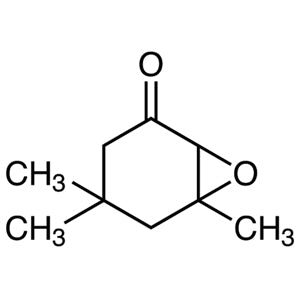
IsophoroneOxide TCI I0805
Regular price From Rp 1.431.150,00Regular priceRp 1.016.400,00Sale price From Rp 1.431.150,00