Ninhydrin is a cyclic tricarbonyl compound best known as a reagent for detecting amino acids, peptides, and primary amines. When it reacts with free amino groups, ninhydrin produces a characteristic purple dye known as Ruhemann's purple. Because this color reaction is clear and sensitive, ninhydrin is one of the most classic and widely used reagents in biochemistry, analytical chemistry, organic chemistry, and forensic laboratories. TCI supplies this product under catalog code I0015 in several pack sizes, so laboratories can choose a quantity that suits their workload.
Laboratories choose ninhydrin because it reacts specifically with primary amine groups. The color change is easy to see by eye and can also be measured by spectrophotometry, so the same reagent works for quick qualitative checks and for quantitative analysis. This makes it useful for determining amino acid content and for staining thin-layer chromatography plates. In solid-phase peptide synthesis, chemists use it in the Kaiser test to confirm that coupling reactions are complete. In forensic science, ninhydrin develops latent fingerprints on porous surfaces such as paper, because amino acids in sweat react with it to leave colored marks.
In Indonesia, ninhydrin is used in university biochemistry and pharmacy laboratories for teaching and research on amino acids and proteins. Organic synthesis groups use it to monitor reactions and visualize amine-containing compounds on TLC plates. Analytical laboratories use it for colorimetric work, and forensic laboratories use it to examine documents and other porous evidence. AMI Scientific supplies the TCI product to all of these laboratories, so researchers and analysts can get this classic reagent from an established manufacturer.
TCI brochures (PDF)
- Titration Reagents and TLC Stains 2026-05-07 · p. 12
- Amino acid determination: ninhydrin reacts with free amino groups to form Ruhemann's purple, which can be measured by spectrophotometry for reliable quantitative analysis of amino acid content.
- Thin-layer chromatography staining: spraying or dipping TLC plates in ninhydrin shows amino acids, peptides, and primary amines as clearly visible colored spots, which makes separations easier to interpret.
- Kaiser test in solid-phase peptide synthesis: ninhydrin detects free primary amines left on the resin, so chemists can check whether each coupling step has gone to completion before continuing.
- Latent fingerprint development: ninhydrin reacts with the amino acids in sweat residues on paper and other porous surfaces, which makes hidden fingerprints visible as colored marks for forensic examination.
- Teaching biochemistry and organic chemistry: the vivid, easily observed color reaction makes ninhydrin a good reagent for student practicals that show how amino acids and amines can be detected.
| Brand | TCI (product code I0015) |
|---|---|
| CAS number | 485-47-2 |
| Molecular formula | — |
| Purity | — |
| Category | Chemistry > Building Blocks > Non-Heterocyclic Building Blocks |
| Pack sizes | available in several pack sizes |
| Physical form | refer to the manufacturer's label and Certificate of Analysis |
| Storage | keep tightly closed in a cool, dry place, following the manufacturer's Safety Data Sheet (SDS) |
Store ninhydrin in its original, tightly closed container in a cool, dry, well-ventilated area, away from direct light, heat sources, and incompatible substances. Follow the storage conditions on the TCI label and Safety Data Sheet. Ninhydrin stains skin and reacts with the amino acids in it, so wear nitrile gloves, safety glasses, and a laboratory coat when handling it. Avoid creating dust. Weigh the solid and prepare solutions in a fume hood or a well-ventilated area. Label prepared spray or staining solutions clearly with their contents and preparation date. Dispose of residues and contaminated materials in line with local regulations and your institution's chemical waste procedures.
—
Product Categories
Produk Terkait
-
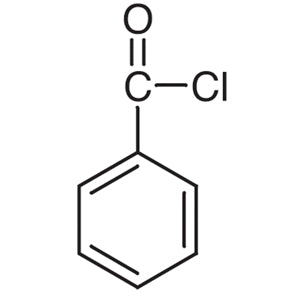
BenzoylChloride TCI B0105
Regular price Rp 557.550,00Regular priceRp 405.300,00Sale price Rp 557.550,00 -
Salicylaldehyde TCI S0004
Regular price From Rp 689.850,00Regular priceRp 481.950,00Sale price From Rp 689.850,00 -
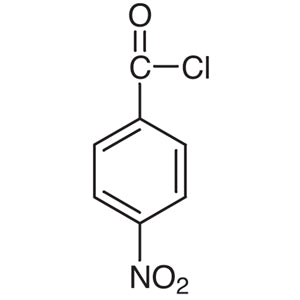
4-NitrobenzoylChloride TCI N0176
Regular price From Rp 557.550,00Regular priceRp 405.300,00Sale price From Rp 557.550,00 -
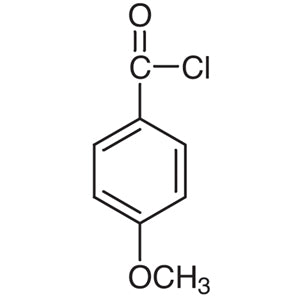
4-MethoxybenzoylChloride TCI M0721
Regular price From Rp 1.033.200,00Regular priceRp 738.150,00Sale price From Rp 1.033.200,00 -
2-Bromo-4'-phenylacetophenone TCI B0633
Regular price From Rp 1.060.500,00Regular priceRp 757.050,00Sale price From Rp 1.060.500,00 -
N-(1-Pyrenyl)maleimide TCI P1214
Regular price Rp 2.862.300,00Regular priceRp 2.017.050,00Sale price Rp 2.862.300,00 -
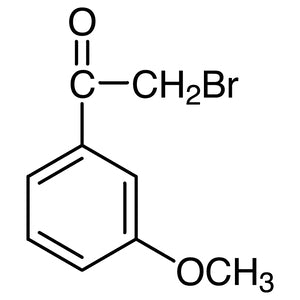
3'-MethoxyphenacylBromide TCI M0815
Regular price From Rp 1.510.950,00Regular priceRp 1.072.050,00Sale price From Rp 1.510.950,00