


3-Indoleacrylic Acid is a chemical compound widely used in organic synthesis reactions within laboratory settings. It serves as a fundamental building block for the creation of complex heterocyclic compounds, playing a crucial role in the development of new materials and pharmaceuticals. Its unique molecular structure makes it a valuable tool for researchers exploring aromatic and heterocyclic chemistry. This compound is essential in various synthetic pathways, enabling the formation of diverse chemical structures through reactions such as condensation and substitution.
The compound is known for its chemical stability and reactivity, which allows it to participate in a wide range of chemical transformations. It exhibits good solubility in organic solvents, making it easy to handle and incorporate into synthesis protocols. These properties make it a preferred choice for chemists working on intricate reaction sequences. Its versatility and reliability in laboratory applications contribute to its widespread use in both academic and industrial research environments.
In Indonesian laboratories, 3-Indoleacrylic Acid is commonly used in both pure and applied chemical research. It is a key reagent in the development of new compounds with potential applications in medicine, materials science, and chemical engineering. Its role in complex synthetic reactions makes it an essential component of many research projects, supporting innovation and discovery in the field of chemistry.
TCI brochures (PDF)
- MALDI Matrix 2025-01-17 · p. 1
Related TCI products
- Organic synthesis reactions benefit from 3-Indoleacrylic Acid due to its reactivity and structural versatility, enabling the formation of complex heterocyclic compounds.
- Pharmaceutical research utilizes this compound to develop new drugs, as it can be incorporated into molecular frameworks that exhibit therapeutic properties.
- Material science applications leverage its chemical properties to create advanced polymers and functional materials with specific characteristics.
- Analytical chemistry uses it as a reference standard for identifying and quantifying compounds in various chemical analyses.
- Industrial chemical processes incorporate it as a building block for the production of specialty chemicals and fine chemicals.
| Brand | TCI |
|---|---|
| CAS number | 1204-06-4 |
| Molecular formula | — |
| Purity | — |
| Category | Chemistry > Building Blocks > Heterocyclic Building Blocks |
| Pack sizes | Available in various quantities as per supplier specifications |
| Physical form | Solid or liquid, depending on the specific product variant |
| Storage | Store in a cool, dry place away from light and moisture |
3-Indoleacrylic Acid should be stored in a cool, dry environment, away from direct sunlight and moisture to maintain its chemical integrity. It is recommended to use airtight containers made of materials such as glass or polyethylene to prevent contamination and degradation. In laboratory settings, it is important to handle the compound with appropriate personal protective equipment, including gloves and safety goggles, to ensure safe handling. Proper ventilation should be maintained when working with this compound to minimize exposure. Storage conditions should be monitored to prevent any potential chemical interactions or decomposition. Following these guidelines ensures the compound remains stable and suitable for use in various chemical applications.
—
Produk Terkait
-
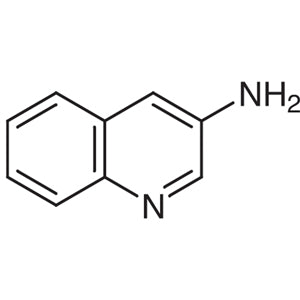
3-Aminoquinoline TCI A0418
Regular price From Rp 1.273.650,00Regular price -
2-Amino-5-mercapto-1,3,4-thiadiazole TCI A0425
Regular price From Rp 769.650,00Regular price -
2-Mercaptobenzothiazole TCI M0247
Regular price From Rp 477.750,00Regular price -
5-Chloro-2-mercaptobenzothiazole TCI C1297
Regular price Rp 4.611.600,00Regular price -
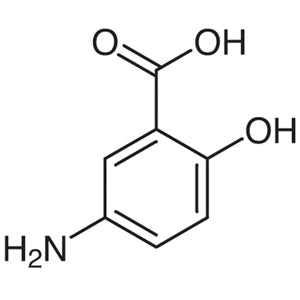
5-AminosalicylicAcid TCI A0317
Regular price From Rp 955.500,00Regular price -
2',4',6'-TrihydroxyacetophenoneMonohydrate TCI T1888
Regular price From Rp 1.193.850,00Regular price -
trans-2-[3-(4-tert-Butylphenyl)-2-methyl-2-propenylidene]malononitrile TCI B3635
Regular price From Rp 795.900,00Regular price -
1,8-Bis(dimethylamino)naphthalene[forDehydrohalogenation] TCI B1018
Regular price From Rp 928.200,00Regular price



![300364-84-5 trans-2-[3-(4-tert-Butylphenyl)-2-methyl-2-propenylidene]malononitrile - AMI Scientific](http://amiscientific.com/cdn/shop/files/TCI2510B3635.jpg?v=1768359701&width=533)
![20734-58-1 1,8-Bis(dimethylamino)naphthalene [for Dehydrohalogenation] - AMI Scientific](http://amiscientific.com/cdn/shop/files/TCI2510B1018_1ed1f360-c291-4dd0-9e2f-8717aa029c6e.jpg?v=1767230873&width=533)