3-Iodopropionic Acid (TCI I0071) is a chemical compound widely used in laboratory settings for various organic synthesis reactions. It serves as a key building block in the development of complex molecules, particularly in reactions involving iodine substitution. This compound plays a crucial role in chemical research by providing a versatile starting material for the creation of new compounds. Its presence in laboratory workflows is essential for chemists working on synthetic pathways that require iodinated functionalities.
The chemical properties of 3-Iodopropionic Acid make it a preferred choice for many laboratory applications. It possesses a high polarity due to its carboxylic acid group and iodine atom, allowing it to dissolve easily in organic solvents. This solubility characteristic is vital for reactions that require efficient mixing and interaction with other reagents. Additionally, its reactivity with various chemical agents enables it to participate in a wide range of synthetic processes, making it a valuable reagent in both academic and industrial research environments.
In Indonesian laboratories, 3-Iodopropionic Acid is commonly used in chemical, pharmaceutical, and materials research. It is frequently found in university laboratories and research institutions that focus on the synthesis of new compounds. Its specific chemical properties make it an essential tool for achieving accurate and consistent results in scientific experiments. The compound’s versatility and reliability have made it a staple in the chemical supply chain for Indonesian researchers.
Related TCI products
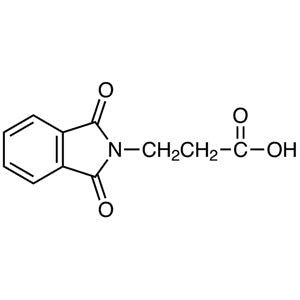
- TCI P2101 3339-73-9 3-Phthalimidopropionic Acid
- TCI M1962 7423-55-4 3-Maleimidopropionic Acid
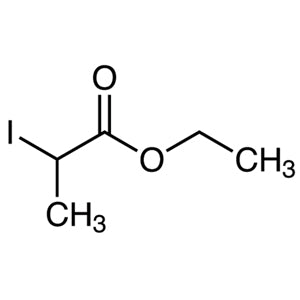
- TCI E1198 31253-08-4 Ethyl 2-Iodopropionate
- TCI T3420 819050-88-9 alpha,alpha,alpha',alpha'-Tetramethyl-1,3-benzenedipropionic Acid
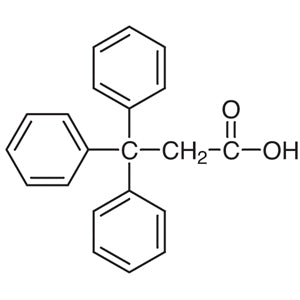
- TCI T1558 900-91-4 3,3,3-Triphenylpropionic Acid
- TCI B0868 2051-95-8 3-Benzoylpropionic Acid
- Organic synthesis reactions benefit from 3-Iodopropionic Acid due to its iodine functionality, enabling efficient substitution and coupling reactions.
- Pharmaceutical research utilizes this compound for the development of new drug molecules, where iodinated structures are often required.
- Materials science applications leverage its reactivity for the creation of advanced polymers and functional materials.
- Analytical chemistry uses it as a standard for calibration and as a reagent in various spectroscopic and chromatographic techniques.
- Teaching laboratories incorporate it in undergraduate and graduate courses to demonstrate iodinated compound synthesis and reactivity.
| Brand | TCI |
|---|---|
| CAS number | 141-76-4 |
| Molecular formula | — |
| Purity | — |
| Category | Chemistry > Building Blocks > Non-Heterocyclic Building Blocks |
| Pack sizes | Available in various quantities as per supplier specifications |
| Physical form | Solid or liquid, depending on the specific product variant |
| Storage | Store in a cool, dry place away from light and incompatible substances |
3-Iodopropionic Acid should be stored in a cool, dry place, away from direct sunlight and sources of heat. It is recommended to keep the compound in a sealed container to prevent moisture absorption and contamination. Due to its reactivity, it should be stored separately from strong oxidizing agents and incompatible chemicals. In laboratory settings, proper personal protective equipment, such as gloves and goggles, should always be worn when handling this compound. Regular monitoring of storage conditions is essential to maintain its chemical integrity and ensure safe usage in research environments.
—
Produk Terkait
-
3-PhthalimidopropionicAcid TCI P2101
Regular price From Rp 637.350,00Regular price -
3-MaleimidopropionicAcid TCI M1962
Regular price From Rp 1.829.100,00Regular price -
Ethyl2-Iodopropionate TCI E1198
Regular price From Rp 1.670.550,00Regular price -
alpha,alpha,alpha',alpha'-Tetramethyl-1,3-benzenedipropionicAcid TCI T3420
Regular price Rp 3.472.350,00Regular price -
3,3,3-TriphenylpropionicAcid TCI T1558
Regular price From Rp 1.670.550,00Regular price -
3-BenzoylpropionicAcid TCI B0868
Regular price From Rp 1.298.850,00Regular price -
3-BromopropionicAcid TCI B0645
Regular price From Rp 717.150,00Regular price -
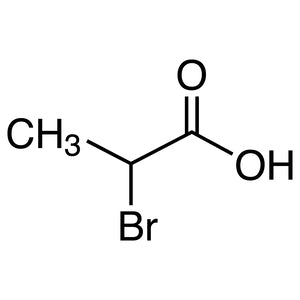
2-BromopropionicAcid TCI B0644
Regular price From Rp 610.050,00Regular price