Isobutyraldehyde (TCI I0101), with CAS number 78-84-2, is an organic compound widely used in various chemical reactions within laboratory settings. As a key building block in the synthesis of complex compounds, it plays a crucial role in the development of aromatic, aliphatic, and heterocyclic substances. Its versatility makes it an essential reagent for chemists working on diverse synthetic pathways. This compound is particularly valuable for its ability to participate in reduction, oxidation, and substitution reactions, enabling the formation of more intricate molecular structures.
Isobutyraldehyde is known for its stable yet reactive chemical properties, making it a preferred choice for a wide range of laboratory applications. Its characteristic aroma allows for easy detection and monitoring during experiments, enhancing safety and accuracy. Despite its volatility and flammability, it remains a reliable reagent due to its consistent performance in controlled environments. The compound's chemical stability ensures predictable outcomes in reactions, making it a trusted component in both academic and industrial research.
In Indonesian laboratories, isobutyraldehyde is commonly used in chemical research, including the synthesis of pharmaceutical compounds, polymers, and industrial chemicals. It is frequently found in pure chemistry and pharmaceutical laboratories due to its ability to contribute to the development of new materials and drug candidates. Its broad utility and reliability make it a staple in the chemical supply chain of Indonesian research institutions.
- Pharmaceutical research utilizes isobutyraldehyde for the synthesis of complex drug molecules due to its reactivity and versatility in organic synthesis.
- Polymer science benefits from isobutyraldehyde as a building block in the creation of various synthetic polymers and resins.
- Industrial chemistry applications rely on isobutyraldehyde for the production of specialty chemicals and intermediates in manufacturing processes.
- Organic synthesis experiments frequently employ isobutyraldehyde to create aromatic and aliphatic compounds through substitution and oxidation reactions.
- Analytical chemistry laboratories use isobutyraldehyde as a standard reference material for calibration and quality control in chemical analysis.
| Brand | TCI |
|---|---|
| CAS number | 78-84-2 |
| Molecular formula | — |
| Purity | — |
| Category | Chemistry > Building Blocks > Non-Heterocyclic Building Blocks |
| Pack sizes | Available in various quantities as per standard laboratory supply specifications |
| Physical form | Liquid |
| Storage | Store in a cool, well-ventilated area away from heat and direct sunlight |
Isobutyraldehyde should be stored in a cool, well-ventilated area away from heat and direct sunlight to maintain its chemical stability. It is recommended to use sealed containers made of materials compatible with organic solvents, such as glass or high-density polyethylene. Due to its flammability and volatility, it should be kept away from open flames and potential ignition sources. Proper personal protective equipment, including gloves and safety goggles, should be worn when handling this compound. Regular monitoring of storage conditions is essential to ensure safety and prevent degradation. Laboratories should also have appropriate ventilation systems in place to manage vapors and maintain a safe working environment.
—
Produk Terkait
-
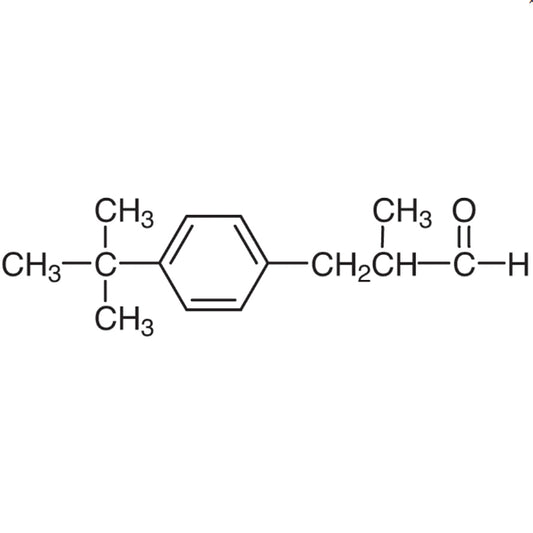
3-(4-tert-Butylphenyl)isobutyraldehyde TCI B1145
Regular price From Rp 795.900,00Regular price -
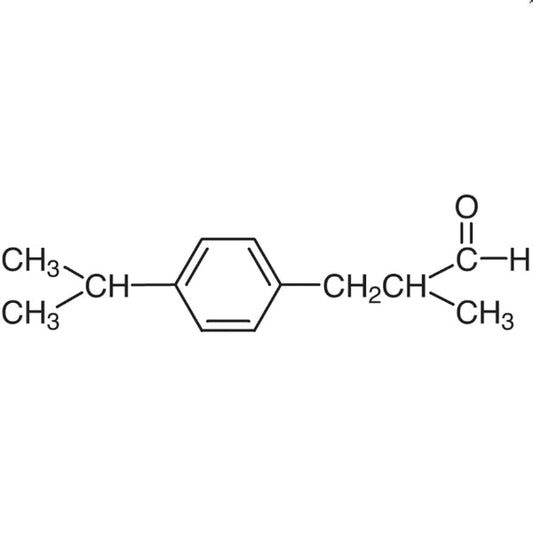
3-(4-Isopropylphenyl)isobutyraldehyde TCI I0377
Regular price Rp 1.115.100,00Regular price -
Butyraldehyde TCI B0751
Regular price From Rp 477.750,00Regular price -
IsoamylIsobutyrate TCI I0676
Regular price From Rp 610.050,00Regular price -
PhenylIsobutyrate TCI I0482
Regular price Rp 2.625.000,00Regular price -
BenzylIsobutyrate TCI I0424
Regular price Rp 477.750,00Regular price -
p-TolylIsobutyrate TCI I0396
Regular price From Rp 875.700,00Regular price -
IsobutylIsobutyrate TCI I0316
Regular price From Rp 477.750,00Regular price