Butyraldehyde, with CAS number 123-72-8, is an organic compound widely used in various chemical reactions within laboratory settings. As a fundamental building block, it plays a crucial role in the synthesis of complex molecules such as esters, aldehydes, and aromatic compounds. Its simple chemical structure offers remarkable versatility, enabling a range of reactions including reduction, oxidation, and substitution. This makes it a valuable tool for chemists seeking to manipulate molecular structures with precision.
The compound's chemical properties make it a preferred choice for laboratory applications. It exhibits stability under controlled conditions but remains highly sensitive to oxidation and reactions with water. This sensitivity necessitates careful handling and controlled environments, which are essential for achieving accurate and reproducible results. Its ability to dissolve in organic solvents further enhances its utility, as it allows for easy incorporation into reaction mixtures and simplifies purification processes.
In Indonesian laboratories, butyraldehyde is extensively used in chemical research, particularly in organic synthesis and compound characterization. Its availability in various packaging formats supports both small-scale and larger research projects. The compound's relevance extends to local research efforts focused on the development of new compounds and the testing of chemical reactivity, making it an essential component in the toolkit of Indonesian scientists.
TCI brochures (PDF)
- Lipids 2025-12-17 · p. 14
- Organic synthesis applications benefit from butyraldehyde's versatility in forming esters and aldehydes, enabling the creation of complex molecular structures.
- Compound characterization studies utilize butyraldehyde for its role in testing reactivity and stability under different chemical conditions.
- Aromatic compound synthesis relies on butyraldehyde's ability to participate in substitution reactions, aiding in the formation of aromatic ring structures.
- Reaction control experiments take advantage of butyraldehyde's sensitivity to oxidation, allowing for precise manipulation of reaction environments.
- Solvent compatibility testing benefits from butyraldehyde's solubility in organic solvents, making it ideal for assessing mixing and dissolution properties.
| Brand | TCI |
|---|---|
| CAS number | 123-72-8 |
| Molecular formula | — |
| Purity | — |
| Category | Chemistry > Building Blocks > Non-Heterocyclic Building Blocks |
| Pack sizes | Available in various sizes to suit different laboratory needs |
| Physical form | Liquid |
| Storage | Store in a cool, dry place away from light and incompatible materials |
Butyraldehyde should be stored in a cool, dry place, away from direct sunlight and sources of heat. It is recommended to use sealed containers made of materials compatible with organic solvents, such as glass or high-density polyethylene. Due to its sensitivity to oxidation, it should be kept in an environment free from air exposure and moisture. Proper ventilation is essential when handling this compound to minimize inhalation risks. Laboratories should ensure that butyraldehyde is stored separately from strong oxidizing agents and incompatible substances to prevent potential chemical interactions. Always follow standard safety protocols when handling and storing this material to maintain a safe laboratory environment.
—
Produk Terkait
-
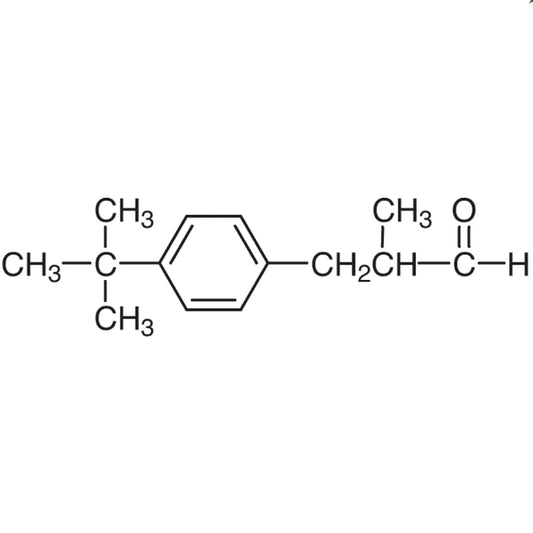
3-(4-tert-Butylphenyl)isobutyraldehyde TCI B1145
Regular price From Rp 795.900,00Regular priceRp 556.500,00Sale price From Rp 795.900,00 -
2-Methylbutyraldehyde TCI M0166
Regular price Rp 557.550,00Regular priceRp 389.550,00Sale price Rp 557.550,00 -
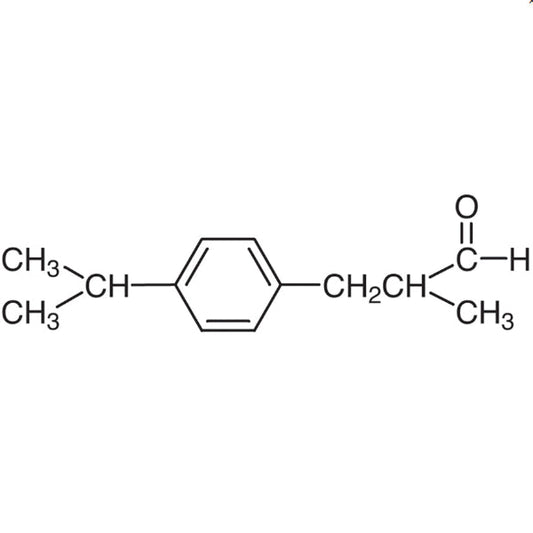
3-(4-Isopropylphenyl)isobutyraldehyde TCI I0377
Regular price Rp 1.115.100,00Regular priceRp 779.100,00Sale price Rp 1.115.100,00 -
Isobutyraldehyde TCI I0101
Regular price From Rp 452.550,00Regular priceRp 316.050,00Sale price From Rp 452.550,00 -
2-Ethylbutyraldehyde TCI E0069
Regular price From Rp 769.650,00Regular priceRp 537.600,00Sale price From Rp 769.650,00 -
3,3-Dimethylbutyraldehyde TCI D4098
Regular price From Rp 2.597.700,00Regular priceRp 1.816.500,00Sale price From Rp 2.597.700,00 -
Valeraldehyde TCI V0001
Regular price From Rp 530.250,00Regular priceRp 370.650,00Sale price From Rp 530.250,00 -
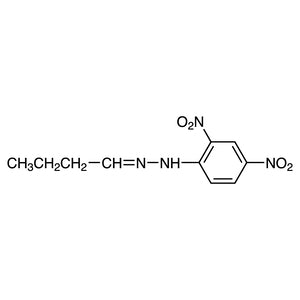
Butyraldehyde2,4-Dinitrophenylhydrazone TCI B1594
Regular price From Rp 1.351.350,00Regular priceRp 960.750,00Sale price From Rp 1.351.350,00