3-(4-tert-Butylphenyl)isobutyraldehyde is a chemical compound widely used in organic synthesis reactions within laboratory settings. As a building block in chemical research, it serves as a key intermediate in the creation of more complex organic molecules. Its structural versatility makes it an essential component for chemists working on the development of new compounds or modifications to existing molecular frameworks. This compound is particularly valuable in synthetic pathways that require precise functional group manipulation.
The reactivity of 3-(4-tert-Butylphenyl)isobutyraldehyde, combined with its molecular structure featuring an aldehyde group and a modified phenyl ring, makes it a preferred choice for various chemical transformations. The presence of the tert-butyl group enhances the stability of the molecule, reducing the likelihood of premature degradation during storage or synthesis. This characteristic ensures that the compound remains effective for extended periods, making it a reliable resource for laboratory use. Its ability to participate in reactions such as condensation, reduction, and substitution further solidifies its role in organic chemistry.
In Indonesian laboratories, 3-(4-tert-Butylphenyl)isobutyraldehyde is commonly used in scientific research, chemical product development, and educational settings. It is a staple in academic and industrial laboratories, supporting experiments in pharmaceutical and organic chemistry. Its application spans from basic research to applied projects, contributing to the advancement of chemical knowledge and innovation in the region.
- Organic synthesis is a primary application where this compound is used to build complex molecular structures through various reaction mechanisms.
- Pharmaceutical research benefits from its role in the development of new drug compounds and the modification of existing molecular frameworks.
- Educational institutions utilize it for teaching synthetic chemistry techniques and demonstrating reaction mechanisms in undergraduate and graduate courses.
- Industrial chemical production relies on it as a key intermediate in the manufacture of specialty chemicals and fine chemicals.
- Analytical laboratories use it as a standard reference material for calibrating instruments and validating chemical processes.
| Brand | TCI |
|---|---|
| CAS number | 80-54-6 |
| Molecular formula | — |
| Purity | — |
| Category | Chemistry > Building Blocks > Non-Heterocyclic Building Blocks |
| Pack sizes | Available in various quantities as per supplier specifications |
| Physical form | Liquid |
| Storage | Store in a cool, dry place away from light and incompatible substances |
This compound should be stored in a cool, dry environment, away from direct sunlight and sources of heat. It is recommended to use sealed containers made of materials compatible with organic solvents to prevent evaporation and contamination. Due to its reactivity, it should be handled in a well-ventilated area, preferably under a fume hood, to minimize exposure. Avoid contact with incompatible substances such as strong oxidizing agents or acids. Proper personal protective equipment, including gloves and safety goggles, should always be worn when handling this material. Regular monitoring of storage conditions ensures the compound remains stable and suitable for use in laboratory applications.
—
Produk Terkait
-
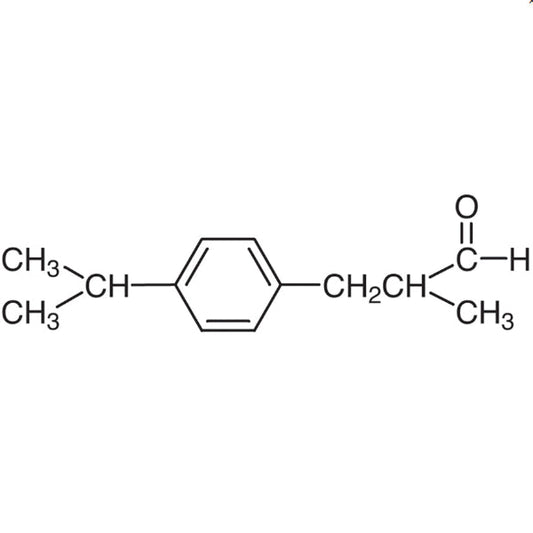
3-(4-Isopropylphenyl)isobutyraldehyde TCI I0377
Regular price Rp 1.115.100,00Regular priceRp 779.100,00Sale price Rp 1.115.100,00 -
Isobutyraldehyde TCI I0101
Regular price From Rp 452.550,00Regular priceRp 316.050,00Sale price From Rp 452.550,00 -
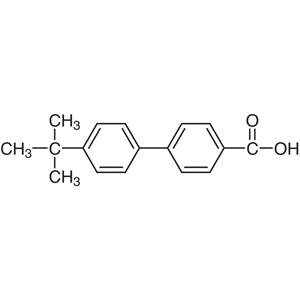
4-(4-tert-Butylphenyl)benzoicAcid TCI B1986
Regular price From Rp 2.730.000,00Regular priceRp 1.924.650,00Sale price From Rp 2.730.000,00 -
4-tert-ButylphenylAcetate TCI B0962
Regular price Rp 2.359.350,00Regular priceRp 1.649.550,00Sale price Rp 2.359.350,00 -
Butyraldehyde TCI B0751
Regular price From Rp 477.750,00Regular priceRp 333.900,00Sale price From Rp 477.750,00 -
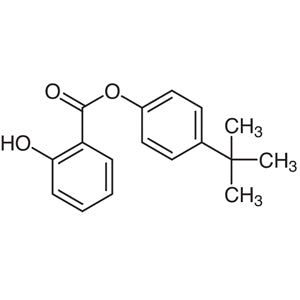
4-tert-ButylphenylSalicylate TCI S0274
Regular price From Rp 505.050,00Regular priceRp 352.800,00Sale price From Rp 505.050,00 -
4-tert-ButylphenylaceticAcid TCI B4307
Regular price From Rp 1.961.400,00Regular priceRp 1.387.050,00Sale price From Rp 1.961.400,00 -
IsoamylIsobutyrate TCI I0676
Regular price From Rp 662.550,00Regular priceRp 478.800,00Sale price From Rp 662.550,00