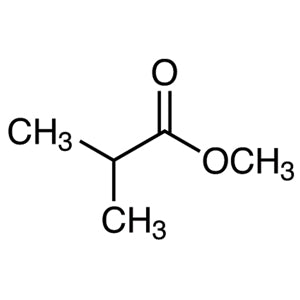
Methyl Isobutyrate is a chemical compound widely used in laboratory settings, particularly in the synthesis of organic compounds. As a building block in chemical reactions, it plays a crucial role in the development of more complex molecules. Its simple molecular structure makes it versatile for various synthetic pathways, including esterification, reduction, and substitution reactions. This compound is commonly found in research laboratories where the creation of intermediate products is essential for the production of final chemical compounds.
The chemical properties of Methyl Isobutyrate make it a preferred choice for laboratory use. It is chemically stable and does not react spontaneously under normal conditions, which simplifies handling and storage. The compound is non-toxic in standard conditions, although it should still be handled with care to avoid direct exposure. Its lack of strong odor and low reactivity contribute to its reliability in a wide range of chemical experiments, making it a valuable asset for researchers.
In Indonesian laboratories, Methyl Isobutyrate is frequently used in chemical research, including the development of pharmacological compounds, industrial chemicals, and environmental studies. Its role as a foundational reagent supports the advancement of scientific knowledge and the creation of new materials. Its consistent performance and reliability make it an essential component in many experimental processes.
Related TCI products
- Organic synthesis is a key application where Methyl Isobutyrate serves as a versatile building block for creating complex molecules.
- Pharmaceutical research benefits from its use in the development of new drug compounds and intermediate products.
- Industrial chemical production relies on Methyl Isobutyrate for the synthesis of various chemical derivatives and specialty products.
- Environmental studies often incorporate this compound to analyze and develop compounds for pollution control and remediation.
- Analytical chemistry utilizes Methyl Isobutyrate for calibration and as a standard in various testing procedures.
| Brand | TCI |
|---|---|
| CAS number | 547-63-7 |
| Molecular formula | — |
| Purity | — |
| Category | Chemistry > Building Blocks > Non-Heterocyclic Building Blocks |
| Pack sizes | Available in various quantities as per standard laboratory supply |
| Physical form | Liquid |
| Storage | Store in a cool, dry place away from direct sunlight and incompatible materials |
Methyl Isobutyrate should be stored in a cool, dry environment, away from direct sunlight and sources of heat. It is recommended to keep the compound in a sealed container made of glass or high-density polyethylene to prevent contamination and evaporation. Due to its chemical stability, it does not require refrigeration but should be protected from moisture and incompatible substances. Laboratory personnel should wear appropriate personal protective equipment, such as gloves and safety goggles, when handling the compound to ensure safe usage. Proper ventilation is also advised to minimize exposure to vapors. Regular inspection of storage conditions is essential to maintain the integrity and safety of the material.
—
Produk Terkait
-
TrimethylOrthoisobutyrate TCI T2208
Regular price Rp 2.411.850,00Regular price -
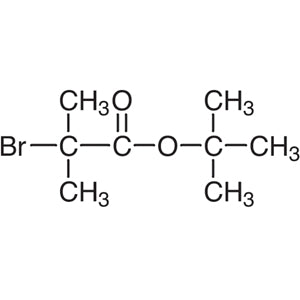
tert-Butyl2-Bromoisobutyrate TCI B3500
Regular price From Rp 584.850,00Regular price -
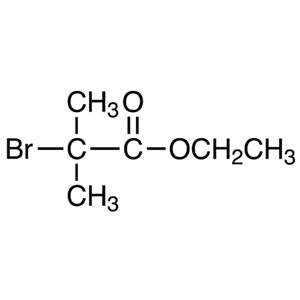
Ethyl2-Bromoisobutyrate TCI B0606
Regular price Rp 717.150,00Regular price -
2,2,4-Trimethyl-1,3-pentanediolDiisobutyrate TCI T0997
Regular price From Rp 477.750,00Regular price -
2-PhenylethylIsobutyrate TCI P2008
Regular price From Rp 795.900,00Regular price -
2-PhenoxyethylIsobutyrate TCI P1822
Regular price From Rp 477.750,00Regular price -
2-MethylbutylIsobutyrate TCI M3483
Regular price Rp 1.749.300,00Regular price -
Methyl3-Methoxyisobutyrate TCI M1191
Regular price From Rp 875.700,00Regular price