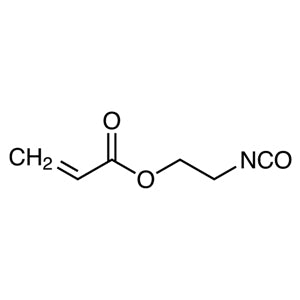
2-Isocyanatoethyl Acrylate (stabilized with BHT) is a chemical compound widely used in scientific and industrial applications related to polymer synthesis. This material is a key component in the development of new polymers, particularly in reactions requiring strong and stable chemical bonds. Its molecular structure contains both isocyanate and acrylate groups, which contribute to its reactivity and versatility in various chemical processes. In the laboratory, it serves as a monomer for creating polymers with tailored properties, making it essential for researchers working in materials science and polymer chemistry.
The compound's stabilization with BHT (butylated hydroxytoluene) enhances its resistance to oxidation and degradation, ensuring longer shelf life and reducing the risk of unintended reactions. This stability makes it a preferred choice for laboratories that require reliable and safe chemical reagents. The combination of reactivity and stability allows for consistent results in polymer synthesis, supporting both academic research and industrial applications. Its performance under controlled conditions ensures that it remains a trusted material in chemical synthesis processes.
In Indonesian laboratories, this compound is highly relevant for scientific research in materials science, organic chemistry, and polymer technology. It is commonly used in the development of new products such as coatings, composites, and electronic materials. Its availability and performance make it a valuable resource for local research institutions and industries seeking to innovate in polymer-based applications.
TCI brochures (PDF)
- Biomaterials Research Reagents 2025-02-19 · p. 9
- Monomers 2025-05-28 · p. 4
Related TCI products
- TCI I1111 30674-80-7 2-Isocyanatoethyl Methacrylate (stabilized with BHT)
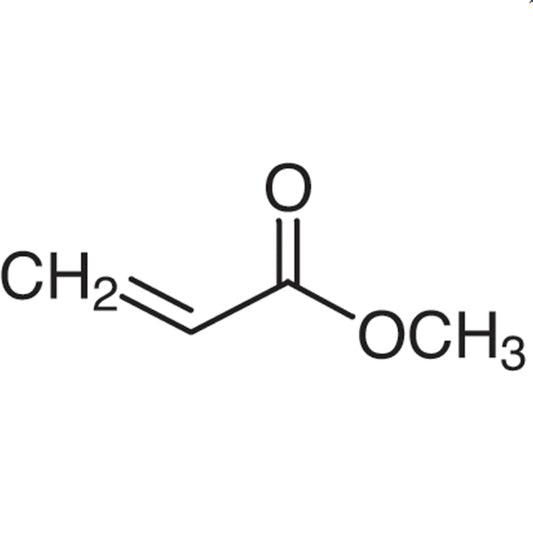
- TCI A0145 96-33-3 Methyl Acrylate (stabilized with MEHQ)
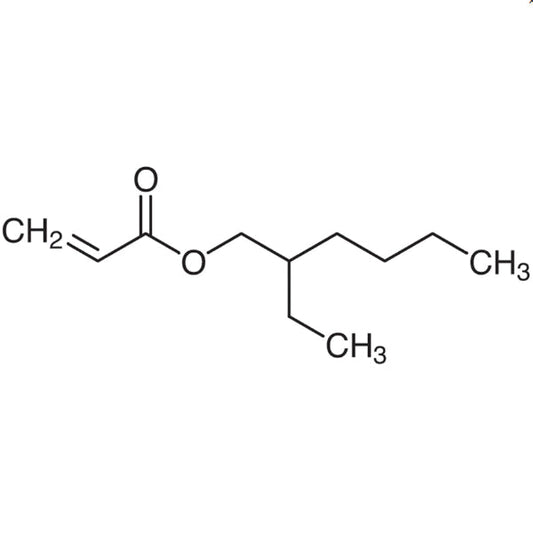
- TCI A0144 103-11-7 2-Ethylhexyl Acrylate Monomer (stabilized with MEHQ)
- TCI A0142 141-32-2 Butyl Acrylate (stabilized with MEHQ)
- TCI U0117 31098-20-1 3-Sulfopropyl Acrylate Potassium Salt
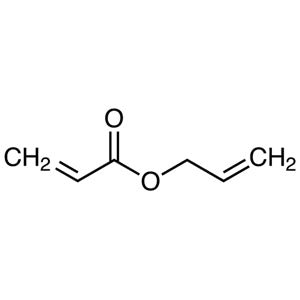
- TCI A1740 999-55-3 Allyl Acrylate (stabilized with MEHQ)
- Polymer synthesis for creating materials with specific mechanical and chemical properties due to its reactive functional groups.
- Development of coatings and adhesives where strong bonding and durability are required because of its isocyanate and acrylate functionalities.
- Formulation of composite materials that need high stability and resistance to environmental factors due to its enhanced oxidation resistance.
- Research in organic chemistry for cross-linking and functionalization reactions because of its versatile reactivity.
- Production of electronic materials requiring precise chemical interactions and stability in various environments due to its controlled degradation resistance.
| Brand | TCI |
|---|---|
| CAS number | 13641-96-8 |
| Molecular formula | — |
| Purity | — |
| Category | Materials Science > Polymer/Macromolecule Reagents > Monomers |
| Pack sizes | As available from supplier |
| Physical form | Liquid |
| Storage | Store in a cool, dark place away from heat and direct sunlight |
This material should be stored in a cool, dark environment to maintain its stability and prevent degradation. It is recommended to use airtight containers to minimize exposure to moisture and air, which can affect its chemical integrity. Due to its reactive nature, it should be handled in a well-ventilated area, preferably with appropriate personal protective equipment. Avoid contact with incompatible substances to prevent unwanted reactions. Keep the container sealed when not in use to ensure long-term usability and safety in the laboratory setting.
—
Product Categories
Produk Terkait
-
2-IsocyanatoethylMethacrylate(stabilizedwithBHT) TCI I1111
Regular price From Rp 2.359.350,00Regular price -
MethylAcrylate(stabilizedwithMEHQ) TCI A0145
Regular price From Rp 477.750,00Regular price -
2-EthylhexylAcrylateMonomer(stabilizedwithMEHQ) TCI A0144
Regular price From Rp 505.050,00Regular price -
ButylAcrylate(stabilizedwithMEHQ) TCI A0142
Regular price From Rp 505.050,00Regular price -
3-SulfopropylAcrylatePotassiumSalt TCI U0117
Regular price Rp 1.565.550,00Regular price -
AllylAcrylate(stabilizedwithMEHQ) TCI A1740
Regular price Rp 7.209.300,00Regular price -
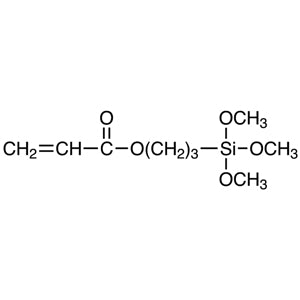
3-(Trimethoxysilyl)propylAcrylate(stabilizedwithBHT) TCI A1597
Regular price Rp 5.274.150,00Regular price -
2-MethoxyethylAcrylate(stabilizedwithMEHQ) TCI A1405
Regular price From Rp 505.050,00Regular price