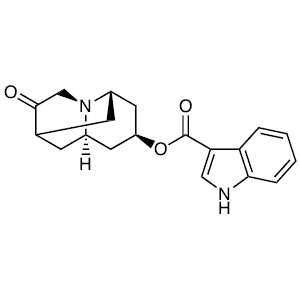
Istradefylline, with CAS number 155270-99-8, is a chemical compound used in pharmacological and biochemical research. It functions as an agonist for the adenosin A2A receptor, making it a key component in studies related to neurodegenerative diseases and Parkinson’s. This compound is widely utilized in experimental settings to investigate the mechanisms of neuronal activity inhibition associated with various neurological disorders. Its role in laboratory research is critical for understanding the biochemical pathways involved in disease progression and potential therapeutic interventions.
Istradefylline is chemically stable and soluble in organic solvents such as ethyl acetate and acetone, which makes it ideal for use in analytical methods like HPLC and spectroscopy. Its solubility and stability contribute to its reliability in laboratory experiments, ensuring consistent results. The solid form of the compound also facilitates precise measurement and handling in laboratory settings, enhancing accuracy and reproducibility in research. These properties make it a preferred choice for researchers seeking reliable and consistent results in their experiments.
In Indonesian laboratories, Istradefylline is commonly used by researchers in pharmacology, neurobiology, and health sciences. It plays a vital role in studies aimed at developing new therapies for neurological conditions. Its availability and chemical properties support its use in both academic and applied research, making it an essential tool for scientific investigation in the region.
TCI brochures (PDF)
- Pharmaceutical Ingredients for Research and Experimental Use 2026-03-09 · p. 27
- Pharmacological research utilizes Istradefylline to study adenosin A2A receptor interactions and their impact on neurological disorders.
- Neurobiological experiments benefit from its role in investigating neuronal activity inhibition and neurodegenerative disease mechanisms.
- Biochemical studies employ Istradefylline to explore its effects on cellular signaling pathways and receptor activation.
- Drug development projects use this compound to test potential therapeutic agents for Parkinson’s and related conditions.
- Analytical laboratories apply Istradefylline in HPLC and spectroscopic analyses due to its solubility and chemical stability.
| Brand | TCI |
|---|---|
| CAS number | 155270-99-8 |
| Molecular formula | — |
| Purity | — |
| Category | Life Science > Biochemicals and Reagents > Pharmaceutical Research Reagents |
| Pack sizes | Available in various quantities as per standard laboratory requirements |
| Physical form | Solid |
| Storage | Store in a cool, dry place away from light and moisture |
Istradefylline should be stored in a cool, dry place away from direct light and moisture to maintain its chemical stability. It is recommended to use airtight containers to prevent exposure to humidity and contaminants. Due to its solubility in organic solvents, it should be handled in a well-ventilated area to avoid inhalation of vapors. Laboratory personnel should wear appropriate personal protective equipment, such as gloves and safety goggles, when handling this compound. Proper labeling of containers is essential to ensure safe handling and prevent accidental exposure. These precautions help maintain the integrity of the compound and ensure safe laboratory practices.
—
Product Categories
- Biochemicals and ReagentsPharmaceutical Research Reagents (for Experimental Use)Neurotransmitter Agent Ingredients (for Research and Experimental Use)
- Cell BiologyBioactive Small Molecules
- Pharmaceutical Development and Drug Discovery ResearchPharmaceutical Research Reagents (for Experimental Use)Neurotransmitter Agent Ingredients (for Research and Experimental Use)
Produk Terkait
-
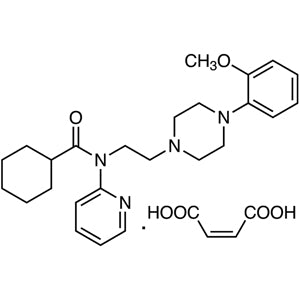
WAY-100635Maleate TCI W0016
Regular price From Rp 5.247.900,00Regular price -
TolazolineHydrochloride TCI T3791
Regular price Rp 1.644.300,00Regular price -
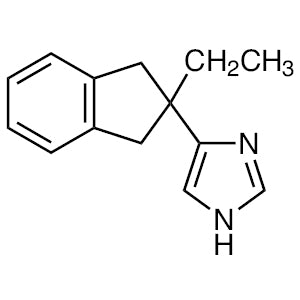
Atipamezole TCI A3259
Regular price From Rp 3.630.900,00Regular price -
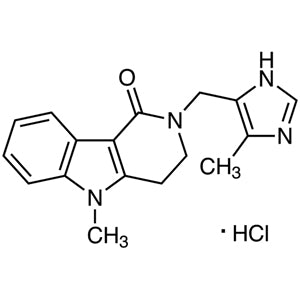
AlosetronHydrochloride TCI A3197
Regular price Rp 2.757.300,00Regular price -
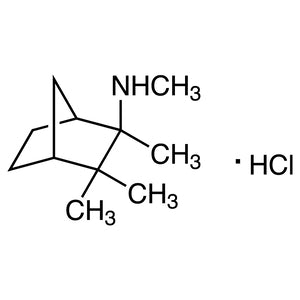
MecamylamineHydrochloride TCI M3503
Regular price Rp 5.300.400,00Regular price -
Luzindole TCI L0316
Regular price Rp 5.803.350,00Regular price -
Flibanserin TCI F1239
Regular price From Rp 2.254.350,00Regular price -
Dolasetron TCI D5820
Regular price From Rp 3.630.900,00Regular price